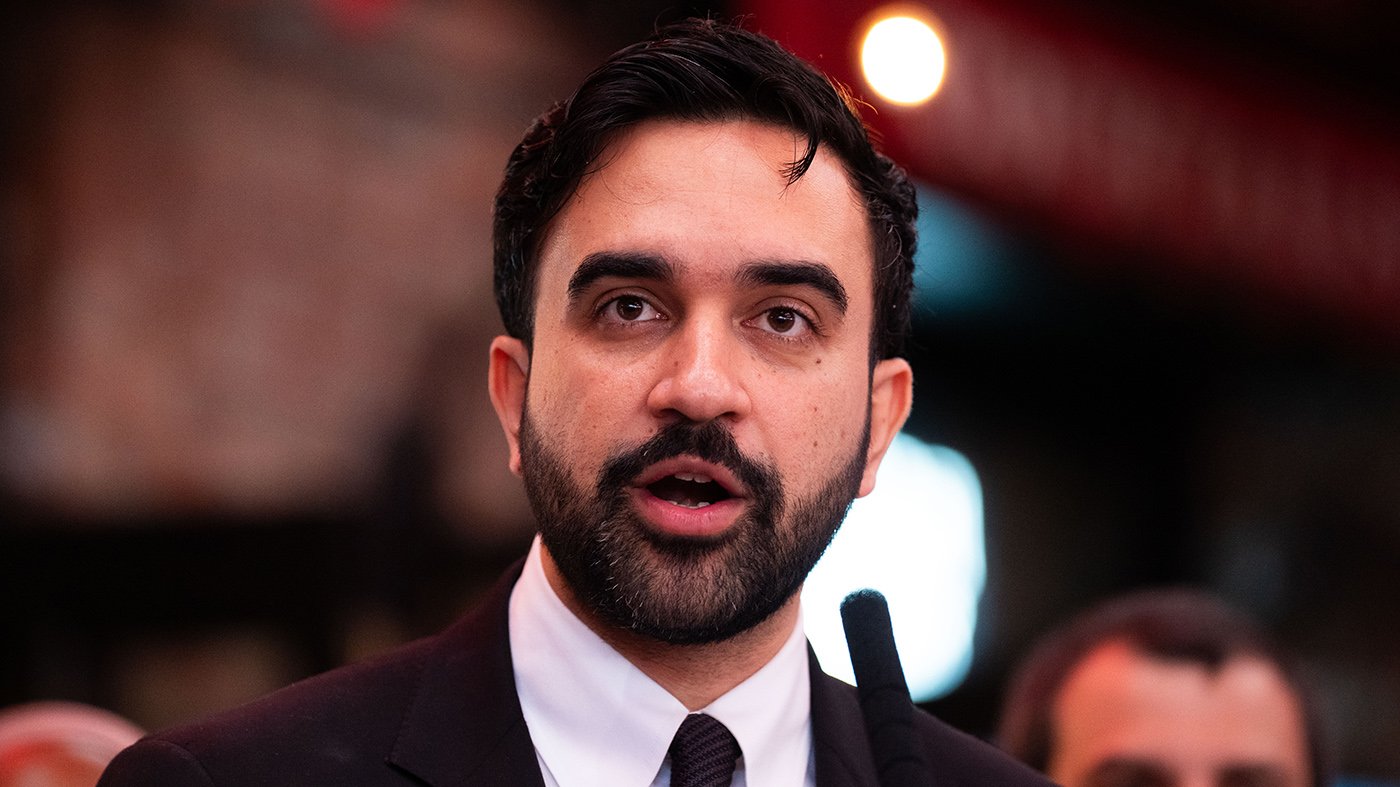
New York City Mayor Zohran Mamdani is making an early play to reshape the city’s congressional delegation, leveraging his popularity to back progressive challengers in Tuesday’s House primaries—including bids to unseat two sitting Democratic incumbents. The moves, coming less than six months after he took office, offer a sharp test of his political muscle.
Mamdani has endorsed in several contests, most notably backing former city Comptroller Brad Lander against two-term Representative Dan Goldman in the 10th District, and community organizer Darializa Avila Chevalier against longtime Representative Adriano Espaillat in the 13th. He has also thrown his support behind Assembly member Claire Valdez in the open primary to succeed retiring Representative Nydia Velázquez. The endorsements have put him at odds with some fellow progressives on Capitol Hill and within New York’s political establishment.

“His honeymoon period as mayor has continued. He’s doing well right now,” said New York Democratic strategist Trip Yang. “He’s taking risks intentionally.”
Mamdani enters the primary season riding a wave of policy wins and public goodwill. He partnered with Governor Kathy Hochul to pass a pied-à-terre tax on second homes worth over $5 million and expanded free childcare to two-year-olds across the city. His public profile got an extra boost from the New York Knicks’ NBA championship victory, which he celebrated as a top cheerleader for the team. Days after the finals began, an ad aired showing Mamdani passing a basketball to Lander, Avila Chevalier, and Valdez, framing the race as a team effort.
Lander’s challenge to Goldman has drawn support from national progressives including Senators Bernie Sanders and Elizabeth Warren, as well as New York City Public Advocate Jumaane Williams. But Mamdani’s endorsement of Avila Chevalier has stirred more controversy. Espaillat—a progressive who chairs the Congressional Hispanic Caucus—endorsed Mamdani after the mayor’s primary win, despite having originally backed former Governor Andrew Cuomo. Multiple reports suggested an understanding that Mamdani would return the favor. “He will have diminished level of trust with a lot of people,” said a New York Democratic strategist involved in several primary races, speaking on condition of anonymity. “Everyone knows there was a commitment to be with Adriano that was reneged upon.”
Espaillat’s campaign has downplayed the endorsement’s impact. “If anything, the endorsement has brought more attention to Ms. Avila Chevalier’s candidacy and highlighted the contrast in the race,” said spokesperson Reginald Johnson, adding that the congressman is “proud to have the trust of the people he serves.”
Mamdani also broke with Velázquez, a longtime progressive ally, by endorsing Valdez over Velázquez’s preferred candidate, Brooklyn Borough President Antonio Reynoso. Velázquez has been vocal in her frustration. “I’m not going to allow DSA to define who is progressive and who is not,” she told the New York Times after campaigning with Reynoso. “The fact that they are here, I paved the way for that.”
The mayor has been selective in his interventions. He notably discouraged a primary challenge to House Minority Leader Hakeem Jeffries, dismissing the idea when City Council member Chi Ossé floated a bid. Ossé dropped out soon after. The decisions reflect a strategic calculation: Mamdani is willing to spend political capital to move the delegation leftward, even if it means alienating allies. As one strategist put it, “This isn’t ‘We’re going to take out a really bad Dem and replace them with a really good Dem.’ Neither of those fights are this.”
The results Tuesday will signal whether Mamdani’s gamble pays off—and whether his influence extends beyond City Hall into Congress. For more on how progressive candidates are reshaping Democratic primaries, see our coverage of the broader push by younger activists to unseat aging incumbents. And for a look at how voters enable political misconduct, read our analysis of the Platner-Paxton pattern.