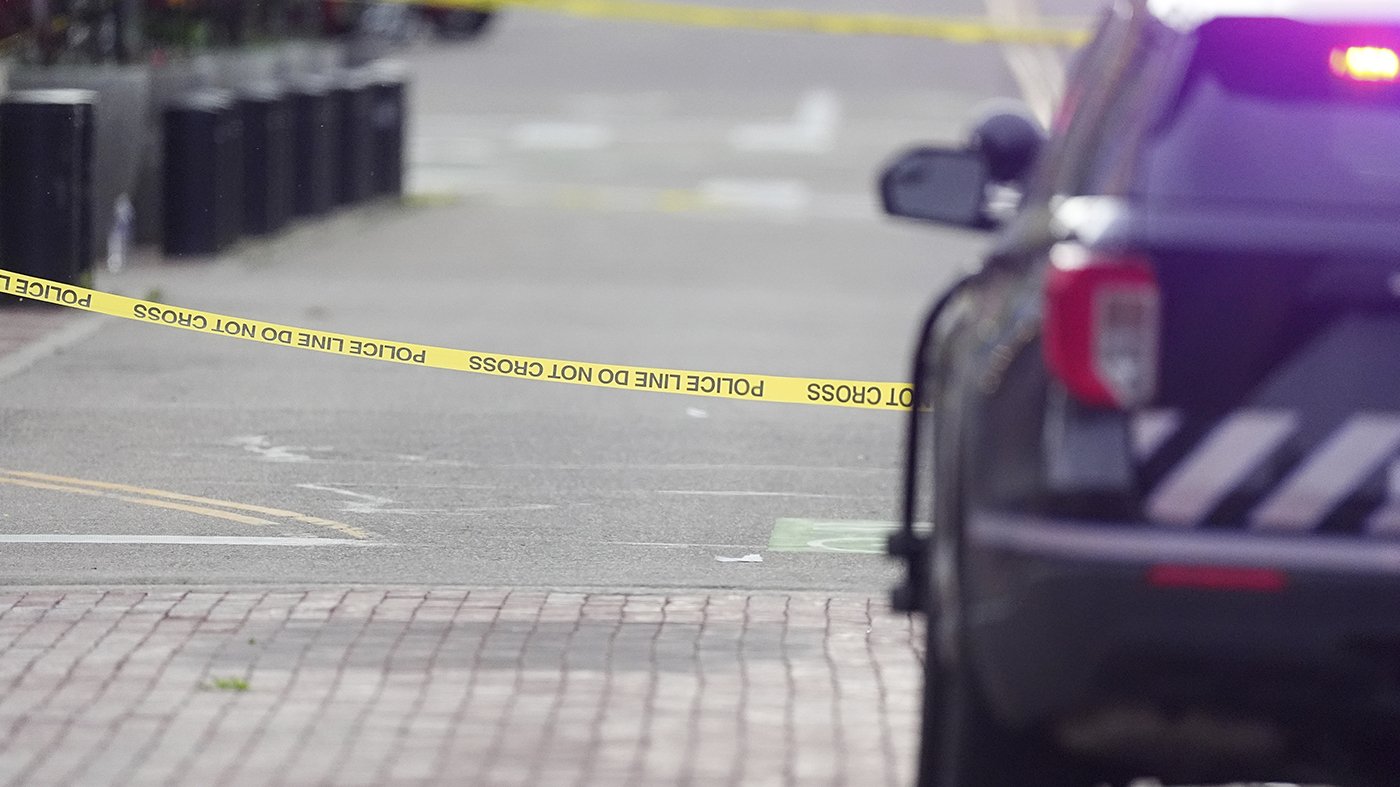
Violent crime rates in major American cities are continuing a steep decline in 2026, according to preliminary data released Sunday by the Major Cities Chiefs Association (MCCA). The report, which aggregates statistics from 66 law enforcement agencies across the country, shows that homicides, rapes, robberies, and aggravated assaults all fell during the first six months of the year compared with the same period in 2025.
The MCCA findings indicate a 17.2% drop in homicides, a 6.2% decrease in rapes, a 16.6% reduction in robberies, and a 5.7% decline in aggravated assaults. The association cautioned that these figures are preliminary and not final FBI crime statistics, but they align with a broader trend of declining violence that has persisted since the second half of 2022.
The drop follows a dramatic spike in homicides during the COVID-19 pandemic and the civil unrest that swept the nation after the murder of George Floyd. That surge, which peaked in 2021, prompted widespread concern among policymakers and law enforcement. Now, as the numbers return to pre-pandemic levels, experts are pointing to a confluence of factors driving the improvement.
The Council on Criminal Justice (CCJ), which has tracked the same trends, noted in its mid-year update that there is "no single or easy explanation for these historic lows." The organization suggested that changes in criminal justice operations and strategies, technological advances, and broader societal shifts may all be contributing. Among the technological developments, the Department of Homeland Security has expanded its use of facial recognition and other surveillance tools, including the Mobile Fortify app, which allows ICE officers to capture facial images, contactless fingerprints, and photos of identity documents to determine citizenship status.
Another technology gaining traction is the deployment of Flock cameras—solar-powered license plate readers that record vehicle data into a searchable database. These systems allow partner agencies to track license plates, identify distinguishing features like bumper stickers, and monitor vehicle makes and models. The rollout has been praised by some as a crime-fighting tool, but it has also drawn sharp criticism from Democratic lawmakers concerned about privacy and civil liberties.
Sen. Ed Markey (D-Mass.) voiced those concerns in a February press conference, saying the technology "raises serious questions about how the Trump administration developed and tested this technology, how often officers are using it, and what happens to the data once it is collected." The debate over surveillance and privacy is likely to intensify as these tools become more widespread.
The MCCA report also comes amid ongoing political battles over public safety. The Trump administration has touted its law-and-order agenda, including the deployment of National Guard troops to some cities, though a recent report questioning the impact of those deployments has drawn the president's ire. Meanwhile, the administration has pushed forward with cybersecurity initiatives and other measures aimed at protecting critical infrastructure.
For now, the downward trend in violent crime is a rare point of bipartisan agreement, though the causes and the policies that will sustain it remain contested. As the data continues to be refined, both the MCCA and the CCJ stress that sustained investment in community-based prevention and smart policing will be essential to maintaining the gains.