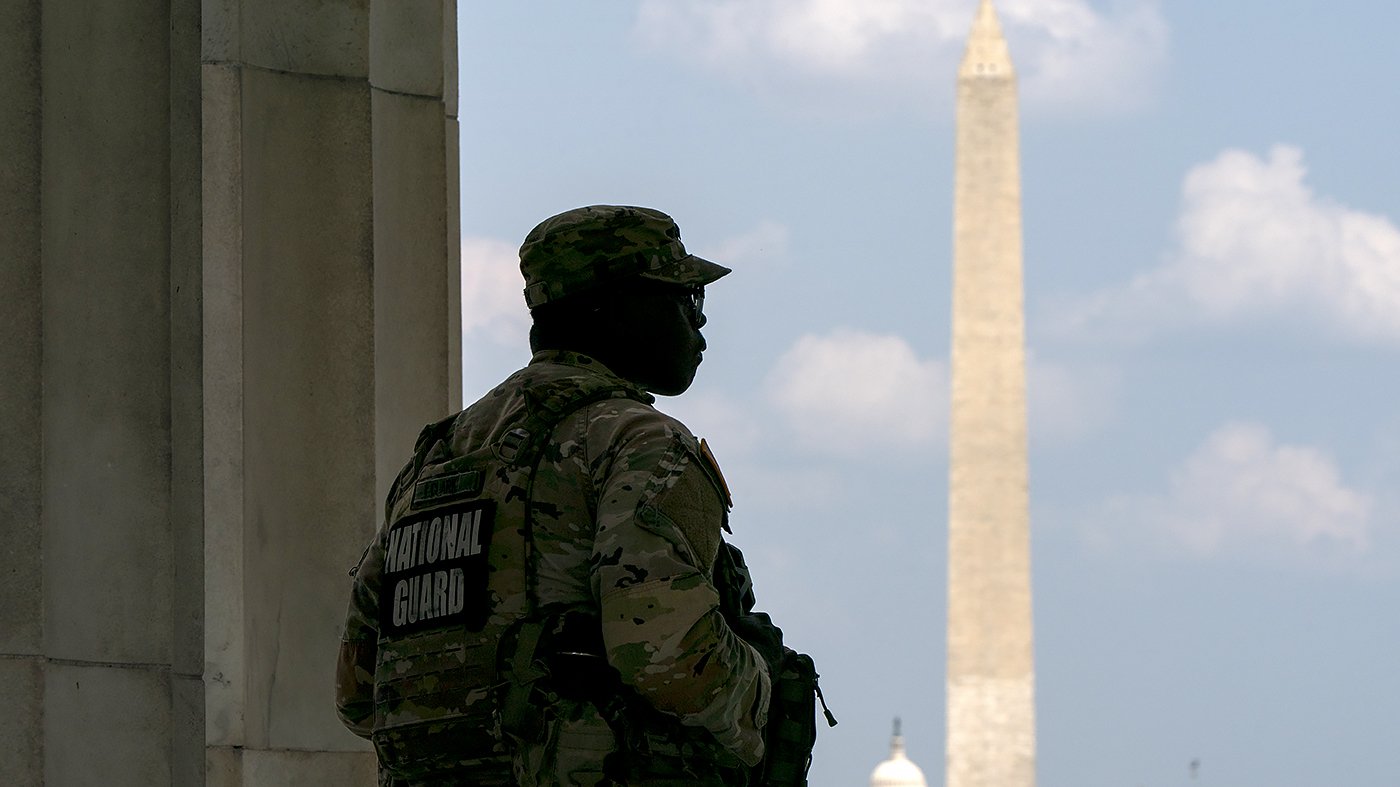
President Donald Trump on Monday launched a blistering attack on the Center for American Progress (CAP), a left-leaning think tank, after it published a report suggesting that his administration's National Guard deployments to several U.S. cities did not lead to a reduction in violent crime. The president took to Truth Social to denounce the research and its author, Chandler Hall, who had appeared on C-SPAN to discuss the findings.
In his post, Trump wrote: "Chandler Hall, representing, on Television, the foolish Center for American Lack of Progress, stated that adding the National Guard to Cities, including our now Great Again, Washington, D.C., had 'NO impact on Crime.' How crazy is that. Hall was met with furious dissent." He went on to label the report "another Radical Left SCAM" and listed several major corporations and philanthropists, including George Soros, Bill and Melinda Gates, Google, Apple, Visa, Goldman Sachs, Citigroup, Wells Fargo, Bank of America, Walmart, Toyota, T-Mobile, and NBC Universal, as funders of the organization.
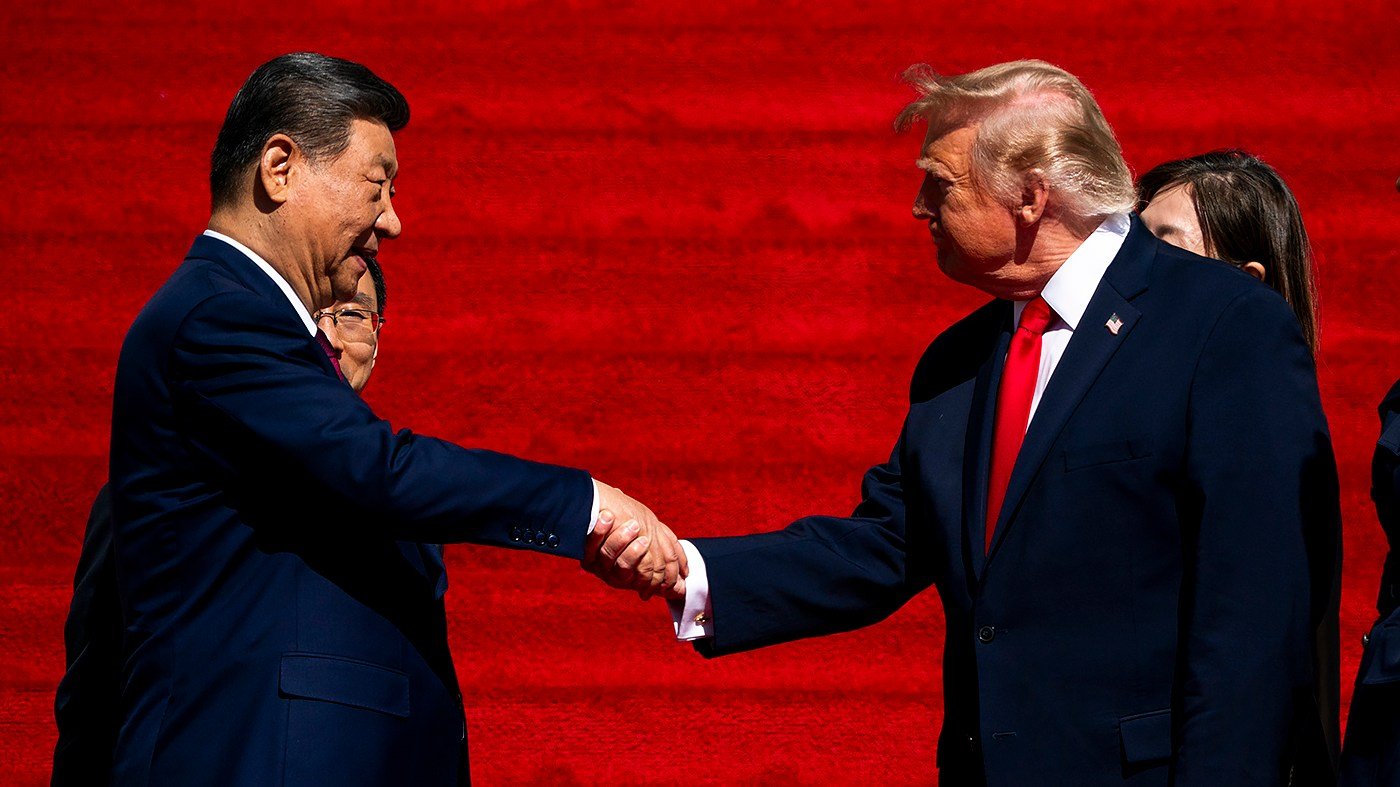
The president also threatened legal action, saying he would "file a lawsuit" and "add some of the contributors to this Fake Organization." He concluded: "Crime is way down since I took Office, and they know it. Liars, at this level, must be held accountable!"
Chandler Hall, CAP's associate director of public safety, appeared on C-SPAN's "Washington Journal" on Monday to discuss the July report, titled "The Trump Administration's $1.7 Billion National Guard Deployments Fail To Reduce Urban Crime." The report analyzed crime data from multiple cities where the National Guard was deployed and found no measurable impact on violent crime. Hall noted that crime rates were already declining before the deployments, suggesting the interventions were unnecessary.
"What we find is that across multiple cities, multiple datasets, and multiple time windows, we find no effect that violent crime actually did change post the National Guard deployment in any of the cities," Hall said. He also pointed to the lack of consistent data infrastructure across American cities, which complicates efforts to accurately measure violent crime trends.
During the interview, Hall was questioned about Trump's recent claims that Washington, D.C., had transformed from the "crime capital, frankly, in the world" to "one of the safest places in the United States." Hall countered that violent crime and homicides in the District had already been declining before the COVID-19 pandemic, well before the National Guard was deployed. He stressed that "quite evident" crime remains in the city despite the president's assertions.
"I think it's unfortunate that the president is continuing to still choose to boast that these deployments, these very costly interventions, are showing any results to try to convince voters that they should sign on for more of these kind of interventions in federal overreach, when, again, there's no proof that they have any effect," Hall said. "And, in fact, it actually is making it more difficult for the work that's already been done in the city."
The report also accused the administration of using the deployments to consolidate power. It stated that the actions "effectuated a dangerous power grab by the Trump administration" and "increased unrest in the cities that felt their independence being threatened." These findings come amid broader concerns about federal overreach, a topic that has been explored in analysis of the D.C. troop deployment.
Despite the CAP report, the Major Cities Chiefs Association released its own data showing crime rates declining across major U.S. cities, with homicides down more than 17 percent and robberies down more than 16 percent in the first half of the year. However, The Washington Post reported last week that the Pentagon's deployment of the National Guard in Washington is projected to cost an additional $1.4 billion through the end of Trump's term in 2029, raising questions about the cost-effectiveness of such operations.
The president's attack on CAP is consistent with his pattern of targeting critics, but the threat of a lawsuit against a think tank and its funders raises legal and constitutional questions. As the administration continues to face scrutiny over its use of military forces domestically, the debate over public safety and federal intervention is likely to intensify.