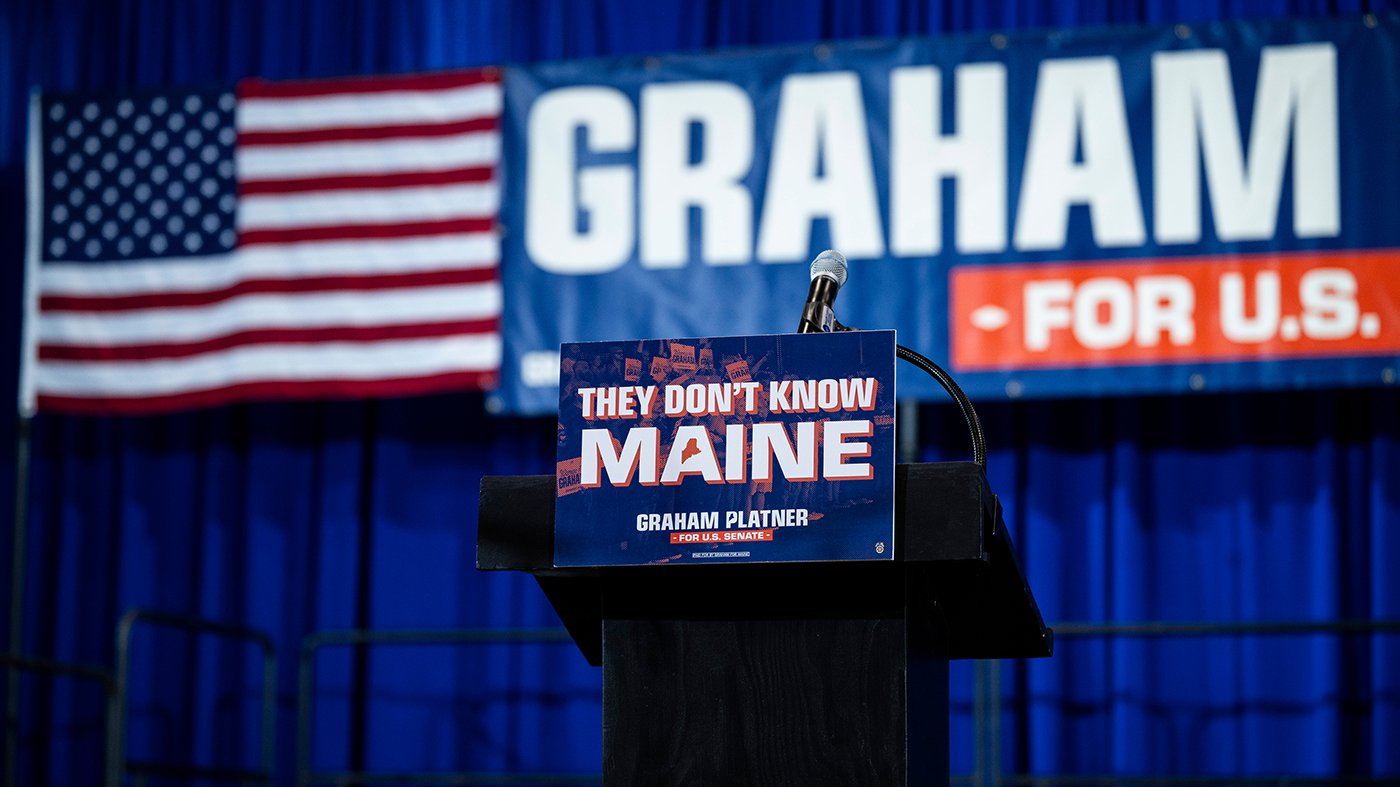
Maine Democrats are navigating a high-stakes, fast-moving process to replace progressive Senate nominee Graham Platner, who suspended his campaign Wednesday following rape allegations he denies. With a July 27 deadline looming, party officials are working to avoid the perception of a backroom deal that dogged the 2024 presidential switch from Joe Biden to Kamala Harris.
Platner's exit came after top donors abandoned his bid, and new allegations emerged: a woman told Politico he raped her in 2021, and another alleged to The Washington Post that he removed a condom without consent. Platner has denied all claims, including earlier reports of physical roughness and a now-covered tattoo resembling Nazi insignia, which he says he didn't recognize.

The Maine Democratic Party state committee voted to select a replacement via a nominating convention later this month. Party Chair Charlie Dingman stressed the need for an open, transparent process, a direct response to criticism that the 2024 presidential transition was too insular.
“I think one of the things that happened in the presidential race is that the process was not inclusive,” said David Farmer, a Maine Democratic strategist not involved in the Senate campaigns. He praised the state party's effort to create “a transparent, fair, and inclusive process with a very short amount of time and under unprecedented circumstances.”
The parallel to 2024 is not lost on national observers. Former Harris campaign official Mike Nellis told CNN that the swift anointment of Harris after Biden's withdrawal made the process “look very undemocratic” and hurt her legitimacy. Jim Melcher, a political science professor at the University of Maine at Farmington, sees a comparison but notes the contexts are “very, very different,” given Platner's specific controversies and the lack of a similar anti-establishment pressure in the presidential race.
Caitlin Legacki, a Democratic strategist, pointed out that Harris had to run as “the de facto incumbent” on Biden's record without the benefits of incumbency, a burden the new Maine nominee won't face. The party is moving quickly to vet potential candidates, requiring a declaration of intent and at least 500 signatures.
Several prominent Maine Democrats have already thrown their hats in the ring, including former state Senate President Troy Jackson and former Maine CDC Director Nirav Shah, both fresh off gubernatorial primary campaigns. Dan Kleban, co-founder of Maine Beer Company, and Jordan Wood, former chief of staff to ex-Rep. Katie Porter (D-Calif.), also are seeking the nomination after brief earlier Senate bids.
The scramble comes amid broader concerns about Democratic Senate prospects. As one analysis notes, the chaos in Maine and a progressive surge in Michigan are dimming party hopes for a Senate majority. The new nominee must also win over Platner's supporters, who propelled his insurgent primary victory despite a trail of scandals, including controversial Reddit posts and a sexting scandal.
“I think they have to tread carefully with Platner's supporters,” one strategist said, acknowledging the delicate balancing act between transparency and speed. The outcome will test whether Democrats have truly learned from 2024's missteps—or are repeating them in a different key.