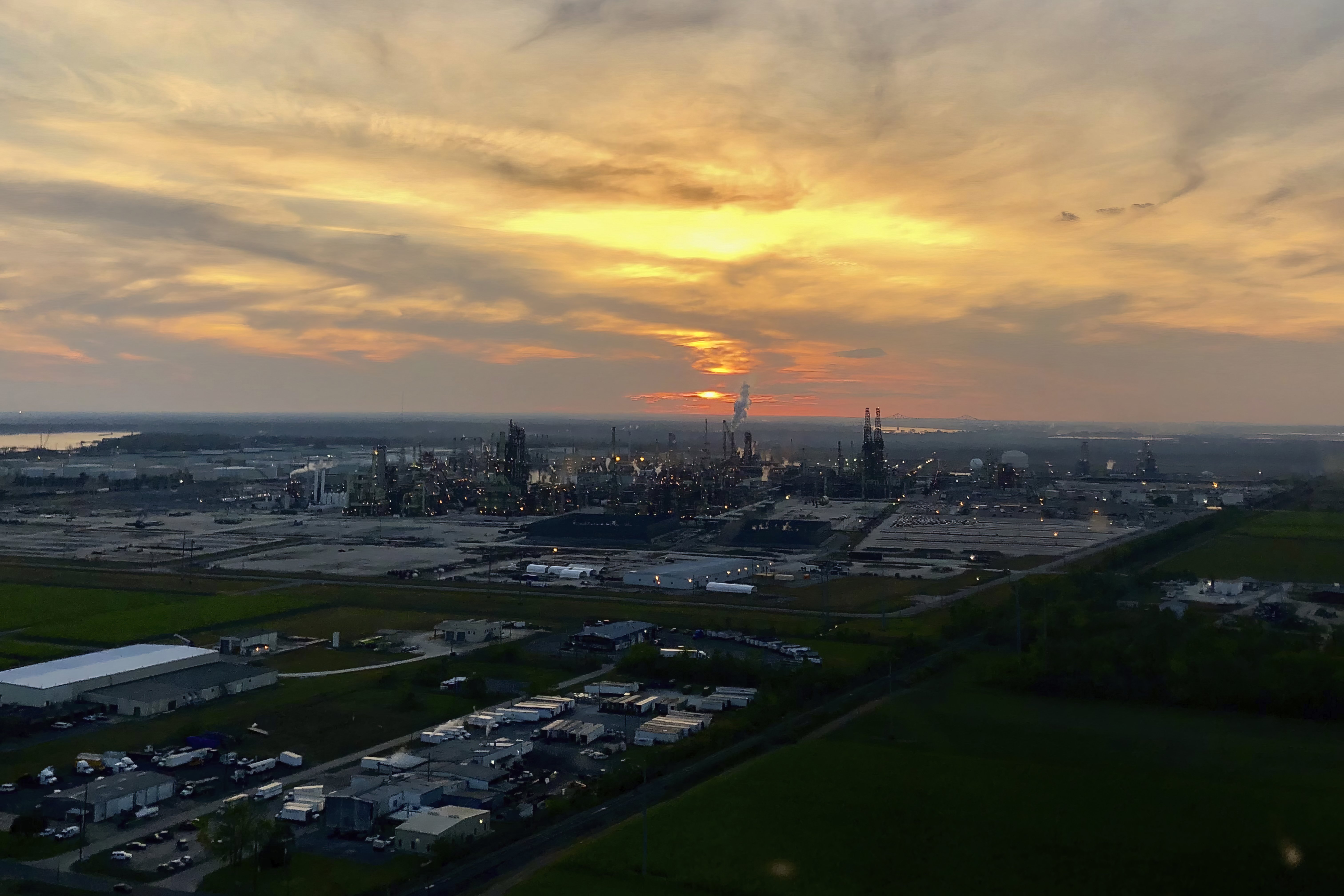
Residents of Louisiana's River Parishes, long burdened by the industrial corridor known as Cancer Alley, are raising alarms about a sweeping deregulation push by the Trump administration and state leaders. They say that a wave of fast-tracked permits for projects like a Hyundai steel plant and data centers threatens to export their toxic legacy across the country.
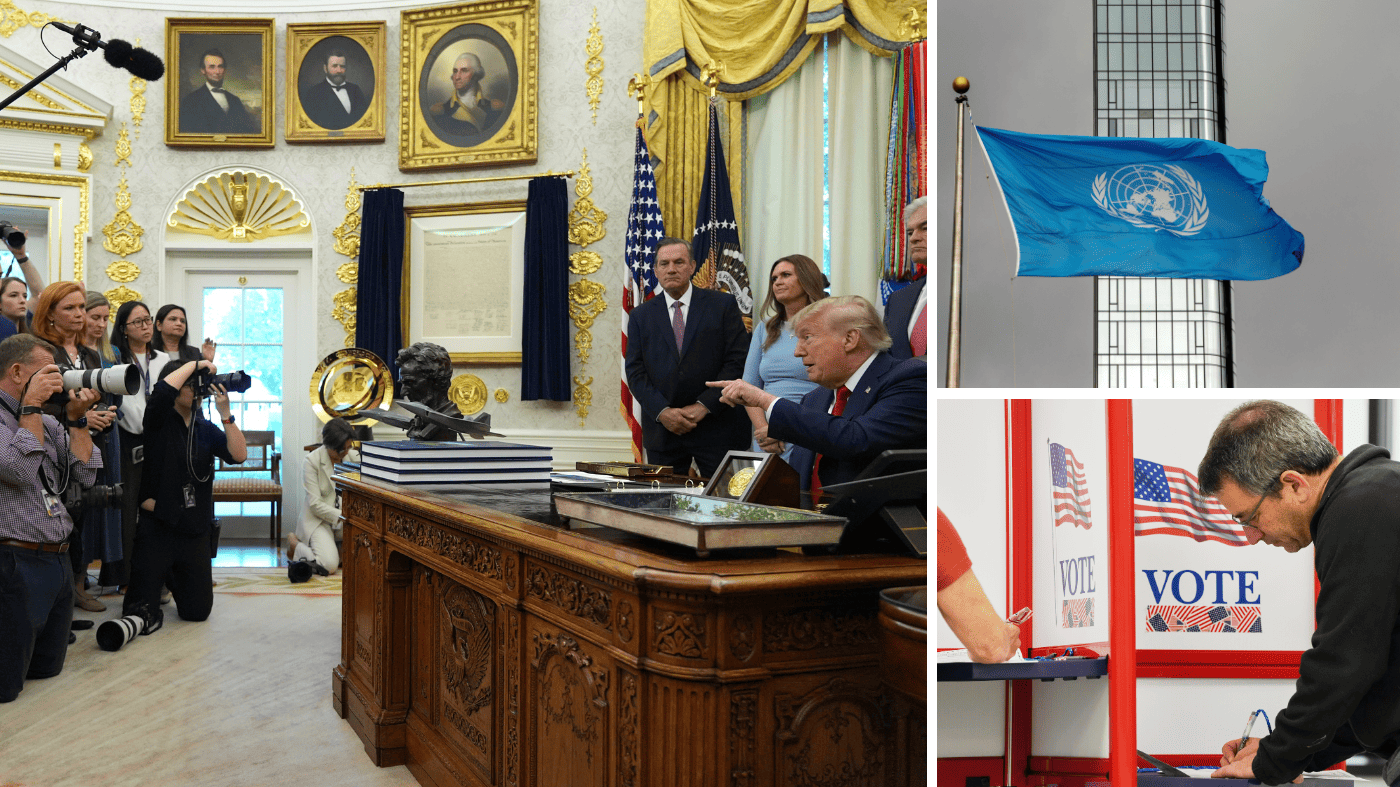
At a White House press conference, President Trump joined Louisiana Governor Jeff Landry and top House Republicans—Speaker Mike Johnson and Majority Whip Steve Scalise—to announce the Hyundai plant. Trump assured executives they would have no trouble securing permits, adding, “these people you’re dealing with are top of the line—but just in case, call me.” The remark signaled a willingness to bypass environmental reviews, a move that critics say could turn more communities into sacrifice zones.

Fast-Tracked Permits, Broken Promises
The Hyundai facility is part of the RiverPlex MegaPark, an industrial complex that residents say threatens ancestral burial sites and their neighborhoods. Heavy construction vehicles now run 24/7, blackouts are routine as the grid is overhauled for industrial demand, and contractors have trespassed on private property. Landry has touted the “lightning speed” of these upgrades, but locals note they are happening solely for out-of-state corporations.
Twila Collins, an Ascension Parish resident whose home faces the mega-site, and Ashley Gaignard, founder of Rural Roots Louisiana, argue that the same deregulatory agenda is spreading. They point to the SPEED Act in Congress, which would gut the National Environmental Policy Act—the law requiring agencies to assess environmental impacts before issuing permits. “Unfettered, deregulated industry creates abundance only for executives and shareholders,” they wrote. “For the rest of us, it is poverty, pollution, and illness.”
Historical Exploitation, Modern Consequences
The impact has been disproportionately borne by historically Black neighborhoods. Parish councils have approved industrial projects without public votes, mirroring a pattern of exploitation that residents trace back to slavery. “Blacks were first exploited as slave labor. Now our communities are exploited by industry,” the residents said.
Despite promises of jobs and economic booms, Louisiana ranks near the bottom in GDP, education, and environmental health. The state has record cancer rates, asthma, and other chronic conditions, alongside the constant risk of explosions and leaks. Meanwhile, the Trump administration and some Democrats have embraced an “abundance” agenda that weakens permitting further. The Trump DOJ has even backed Elon Musk's xAI in an air pollution case, citing national security.
Residents warn that what is happening in Louisiana will soon be attempted elsewhere, backed by both parties. “Make no mistake: what industry is attempting in our home they will soon try in yours,” they said. As data centers and other facilities proliferate, the fight over deregulation is becoming a national battleground.