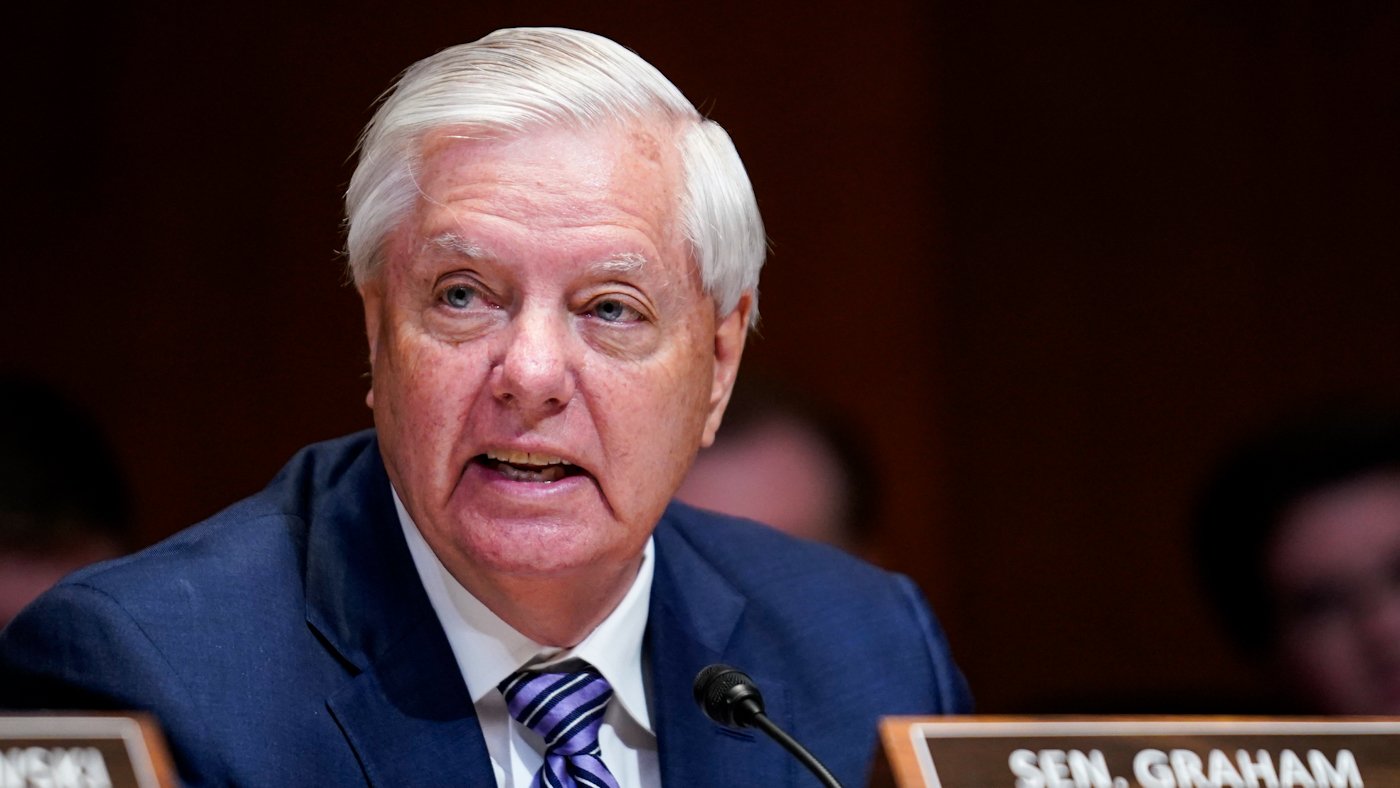
Sen. Lindsey Graham (R-S.C.) clinched the Republican nomination for his Senate seat on Tuesday, decisively winning the primary and avoiding a runoff in a multi-candidate field, according to Decision Desk HQ. The victory underscores the enduring influence of former President Donald Trump, who endorsed Graham and participated in a tele-rally for the four-term incumbent on the eve of the vote.
Graham defeated Mark Lynch, an appliance repair executive who framed his campaign around a need for fresh leadership and criticized Graham’s hawkish foreign policy stance. Other challengers included Duncan councilmember Calvin Cowen, Horry County Republican Party executive committeeman Patrick Herrmann, hip-hop artist Darius L. Mitchell, and motivational speaker Thomas Dismukes.

Despite the crowded primary, Graham was widely seen as the frontrunner, thanks to a significant fundraising advantage and a long record in the Senate since 2003. His reputation as a foreign policy interventionist drew fire from some conservatives, fueling the primary challenge, but Graham leaned on his experience and ties to Trump to secure the win.
“I think we need people that know what the hell they’re doing and can deliver, really,” Graham told local station WYFF News 4. “And that’s what it’s about, having somebody in Washington that can deliver for you and your family.” He added, “If you think President Trump’s done a good job, I do too. He’s endorsed me, not my opponents, but me.”
Graham also enjoyed backing from South Carolina Governor Henry McMaster and fellow Senator Tim Scott. His campaign emphasized his ability to secure federal resources for the state, a message that resonated with primary voters. Meanwhile, Lynch was endorsed by Project 2025 architect Paul Dans, who had previously exited the Senate race, and former national security adviser Michael Flynn.
The primary result is another test of Trump’s political clout in the 2024 cycle. Trump’s endorsement of Graham, a onetime critic turned ally, helped consolidate support among the GOP base. This race was part of a broader slate of primaries in South Carolina and Maine, where Trump’s sway is being closely watched. For more on the dynamics at play, see our analysis of how Trump's influence is being tested in key races.
Graham now faces Democrat Annie Andrews, who is also projected to win her primary on Tuesday. Andrews, a pediatrician and first-time candidate, has campaigned on healthcare and education, positioning herself as a moderate in a deeply red state. The general election is expected to be an uphill battle for Democrats, given South Carolina’s Republican lean.
The race also highlights the ongoing debate within the GOP over foreign policy. Graham’s interventionist approach has long been a point of contention, but his alignment with Trump on key issues has helped shield him from primary challengers. In contrast, other incumbents have faced tougher fights, as seen in the Nevada GOP primary for an open House seat, where Trump’s endorsement shaped the contest.
As the general election approaches, Graham’s campaign will likely focus on his seniority and ability to deliver for South Carolina, while Andrews will seek to tap into voter discontent with Washington. The outcome will be a bellwether for Republican strength in the South and the durability of Trump’s endorsements.