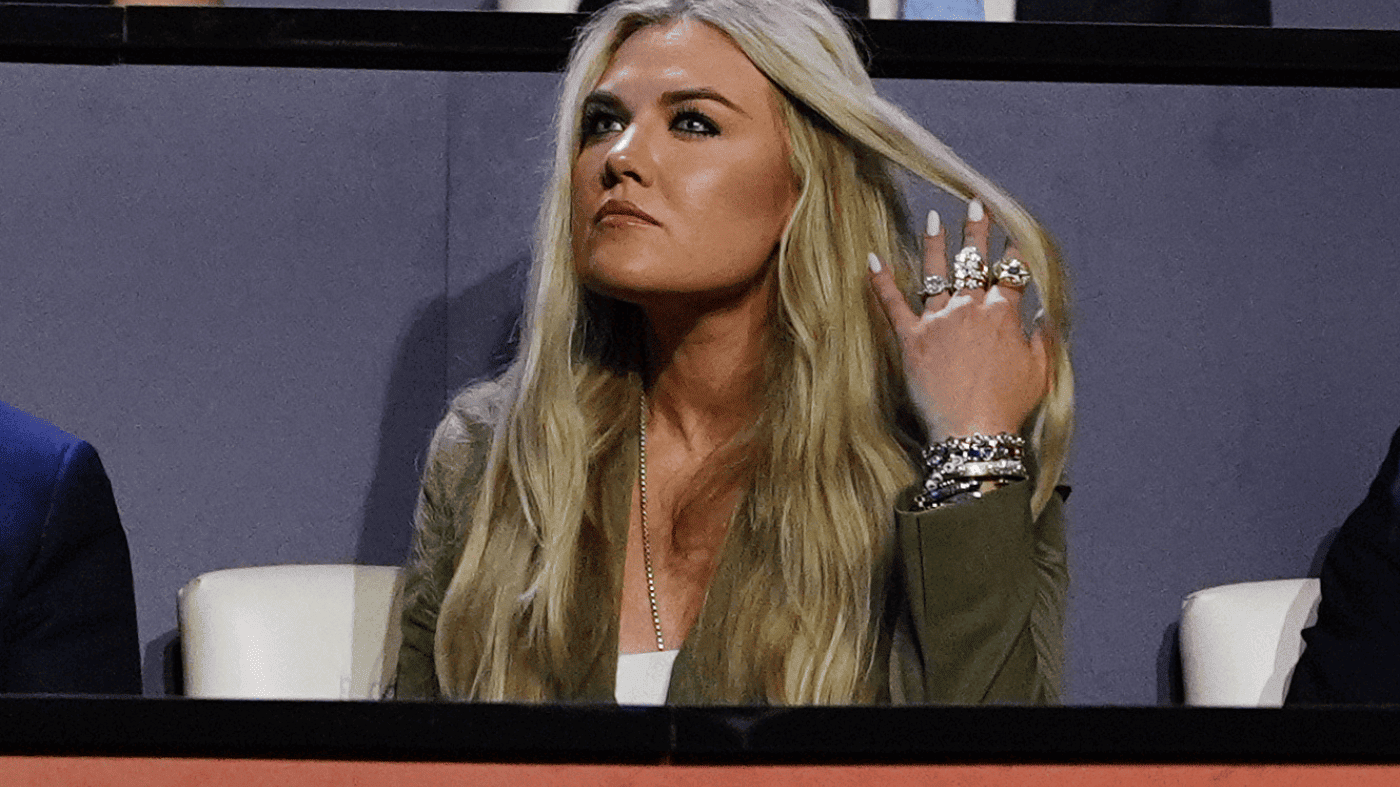
Erika Kirk, the widow of slain conservative activist Charlie Kirk, publicly condemned comedians and political commentators who have mocked her husband's assassination, specifically calling out Dave Chappelle for a recent joke about the killing. In a post on X, she described the laughter from left-leaning figures as "beyond disgusting" and a symptom of profound moral decay.
"To see leftist podcasters, comedians, and commentators laugh about political assassination as though it's entertainment and the destruction of a human life is a punchline, is beyond disgusting," Kirk wrote, without naming Chappelle directly but clearly referencing his remarks. She added that her husband's death is a daily burden for their two children and herself.
Charlie Kirk, founder of Turning Point USA and a prominent ally of President Trump, was fatally shot on September 10, 2025, while speaking at Utah Valley University. He was 31. The assassination sent shockwaves through the conservative movement and raised concerns about political violence in the United States.
In her post, Kirk emphasized the broader stakes: "A culture that laughs at assassination is one of profound moral decay. It threatens the very foundation of our country and the principles that hold our democracy together." She urged Americans to recognize the value of every life, regardless of political differences, and insisted that political violence must never be tolerated, excused, or celebrated.
Chappelle made the joke during a sold-out show at Madison Square Garden on Saturday, according to footage shared on social media. He told the audience, "I feel f–ed up saying this. It's scary being a public speaker. Ever since that guy Charlie Kirk got murdered — and I shouldn't say this publicly — but, I feel better."
The comedian had previously addressed Kirk's killing in his Netflix special The Unstoppable, released three months after the shooting. At that time, he expressed being "shook" by the assassination, noting the risks of public speaking. The shift in tone has drawn criticism from those who see the joke as crossing a line.
Erika Kirk's condemnation reflects a growing unease among some conservatives about the normalization of violence in political discourse. Her comments come amid ongoing debates about the safety of public figures and the role of comedy in shaping public attitudes. The incident has also renewed attention on the broader climate of political hostility, a theme that has been explored in recent analyses of midterm election dynamics and their potential impact on policy.
While some defend Chappelle's right to provocative comedy, others argue that jokes about assassination, especially when targeting a family, cross an ethical boundary. The controversy has also intersected with discussions about the challenges facing public discourse and the responsibilities of influential figures.
As the story develops, Erika Kirk's words serve as a stark reminder of the human cost of political violence. Her call for decency and respect has resonated with many who worry about the erosion of civic norms. The debate over Chappelle's joke is likely to continue, reflecting deeper divisions in American society.