Tax season may be over, but not everyone has seen their federal refund yet. For some, the wait could end this month.
Federal refunds for tax year 2025 averaged over $3,400—an 11% jump from the prior year, according to the Treasury Department. That’s a notable increase, though short of the $1,000 boost administration officials had promised.

Most filers who submitted electronically by April 15 should have received their refund within 21 days. Those who mailed paper returns faced longer waits, and any corrections added further delays. But for a subset of taxpayers, June marks the month the money finally arrives.
Who’s still waiting?
The biggest group likely to see refunds in June are those who filed in May. That includes filers who requested an extension or were granted extra time due to disaster situations. The IRS extended deadlines for residents in parts of Alaska, Montana, and Washington state after severe storms, flooding, and landslides. Some deadlines there stretch into 2026. Other disaster-related extensions cover areas in Mississippi, Hawaii, and Georgia.
Another key group: taxpayers who forgot to include their bank account information. The House Ways and Means Committee Democrats flagged that thousands of filers faced refund delays of more than two months due to missing direct deposit details. The IRS’s Taxpayer Advocate Service warned that refunds could be frozen until filers provide banking info or request a paper check.
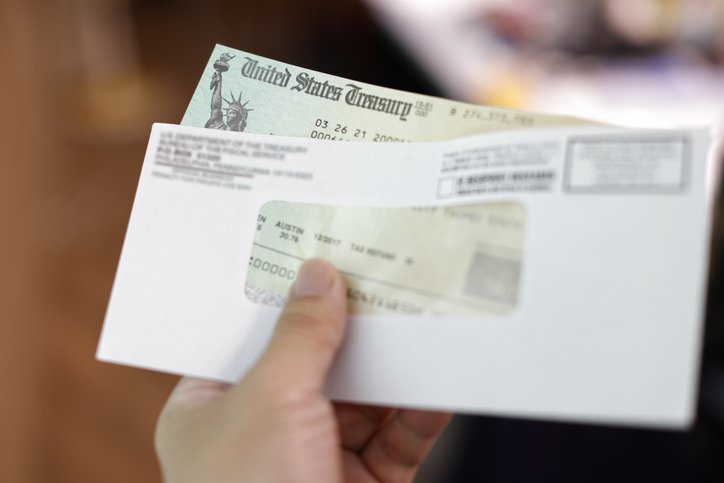
Those who haven’t updated their direct deposit may have already received a notice from the IRS. After six weeks without action, the agency may send a paper check. But Reps. Danny K. Davis (D-Ill.) and Terri A. Sewell (D-Ala.) warned that paper checks could take over ten weeks—more than two and a half months. For filers who waited until close to Tax Day, that means the check could land in June.
The IRS emphasized that returns will still be processed even without banking information. Taxpayers can track their refund using the agency’s “Where’s My Refund?” tool, which updates within 24 hours for electronic filers and four weeks for paper returns.
In a related development, a federal judge blocked the Trump administration’s attempt to dismantle a Colorado climate lab, raising questions about executive authority over federal science agencies. Meanwhile, the IDEA funding gap continues to widen as longstanding federal promises to support special education remain unfulfilled, affecting millions of students.
For those still awaiting their refund, the IRS advises checking the online portal or calling their assistance line. The agency says refunds are not lost—just delayed pending updated information or processing time.