Airport Operations Disrupted by Federal Funding Lapse
John F. Kennedy International Airport has ceased providing real-time security checkpoint wait times to travelers, a direct consequence of the ongoing partial government shutdown that has left Transportation Security Administration officers working without pay. The airport authority announced the suspension Monday, stating that the estimations had become too volatile to reliably publish.
In a statement posted on social media, JFK officials warned passengers to allocate "significantly more time" for security screening, noting that wait periods are "subject to rapid change based on passenger volumes and TSA staffing." The decision underscores the operational strain at one of the nation's busiest travel hubs as the political impasse over Department of Homeland Security funding enters a critical phase.
Staffing Shortages Create Terminal Gridlock
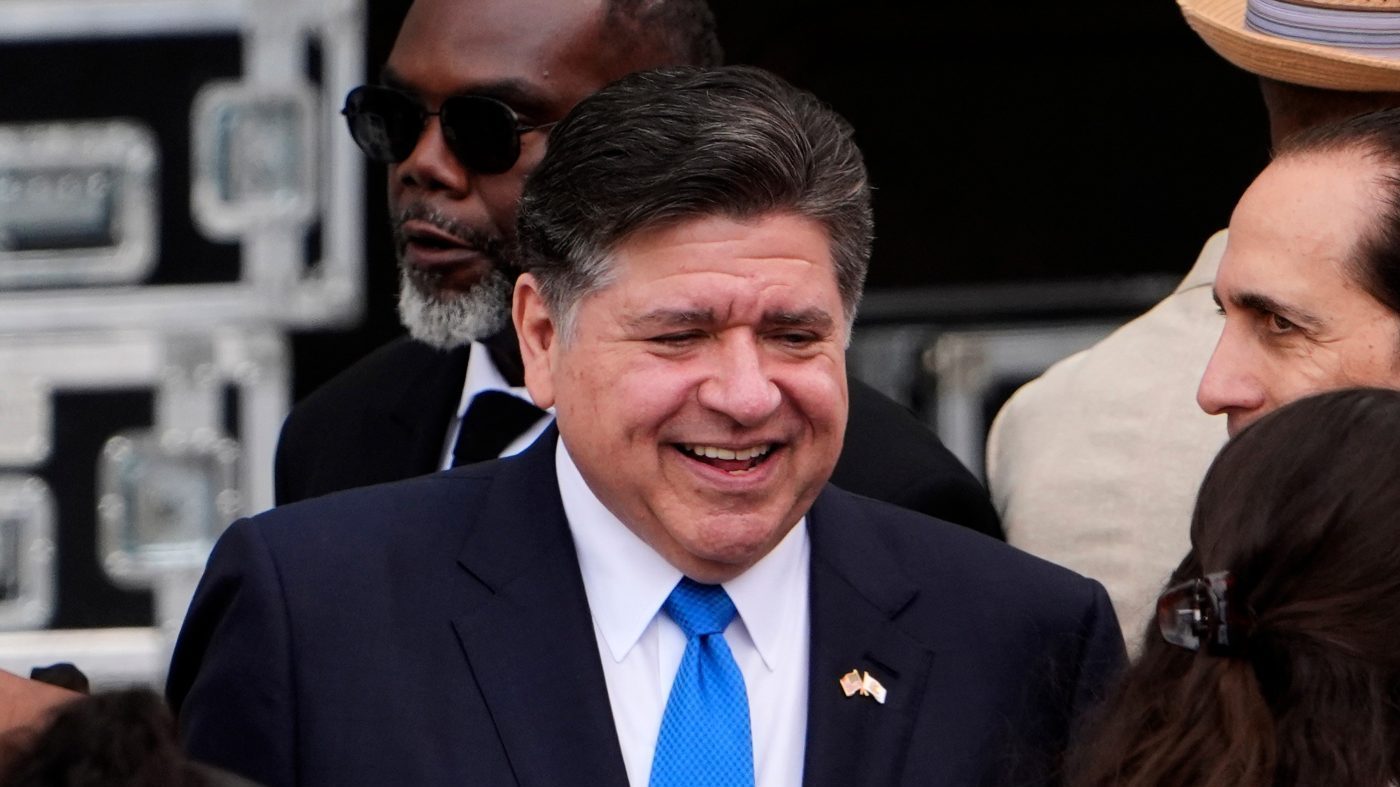
The suspension follows reports of security lines at JFK extending through terminal buildings and into adjacent parking areas over the weekend. The TSA staffing crisis deepens as DHS shutdown forces ICE airport deployment, a move that has redirected personnel but failed to fully mitigate absenteeism among security screeners. With federal employees not receiving paychecks, call-out rates have increased, directly impacting screening capacity and passenger throughput.
This staffing shortfall is not isolated to New York. Airports nationwide are experiencing similar pressures, with the DHS shutdown triggering a TSA staffing crisis as over 400 officers resign or fail to report for duty across the system. The absence of reliable wait time data removes a key planning tool for travelers during what is typically a high-volume travel period, increasing the likelihood of missed flights and passenger frustration.
Regional Travel Network Under Strain
The disruption at JFK compounds an already difficult situation for the New York metropolitan area's aviation network. Nearby LaGuardia Airport faced a complete closure Monday morning following a fatal runway collision between an Air Canada aircraft and a fire truck, which resulted in the deaths of two pilots. This incident, unrelated to the shutdown, nevertheless contributed to widespread flight cancellations and delays across the region.
Further complicating matters, Newark Liberty International Airport implemented a temporary ground stop after its air traffic control tower was evacuated due to a smoke investigation. The convergence of these events—political, operational, and accidental—has created a perfect storm of travel disruption, highlighting the fragility of interconnected aviation systems when multiple points of failure emerge simultaneously.
Political and Operational Fallout
The airport's decision to suspend wait time reporting represents a tangible degradation of service standards directly attributable to the funding lapse. It provides concrete evidence of how political deadlock in Washington translates into operational chaos for critical infrastructure. The deployment of Immigration and Customs Enforcement personnel to assist at security checkpoints, detailed in reports on how ICE agents deploy to major airports amid shutdown travel disruptions, illustrates the extraordinary measures being taken to maintain basic security functions.
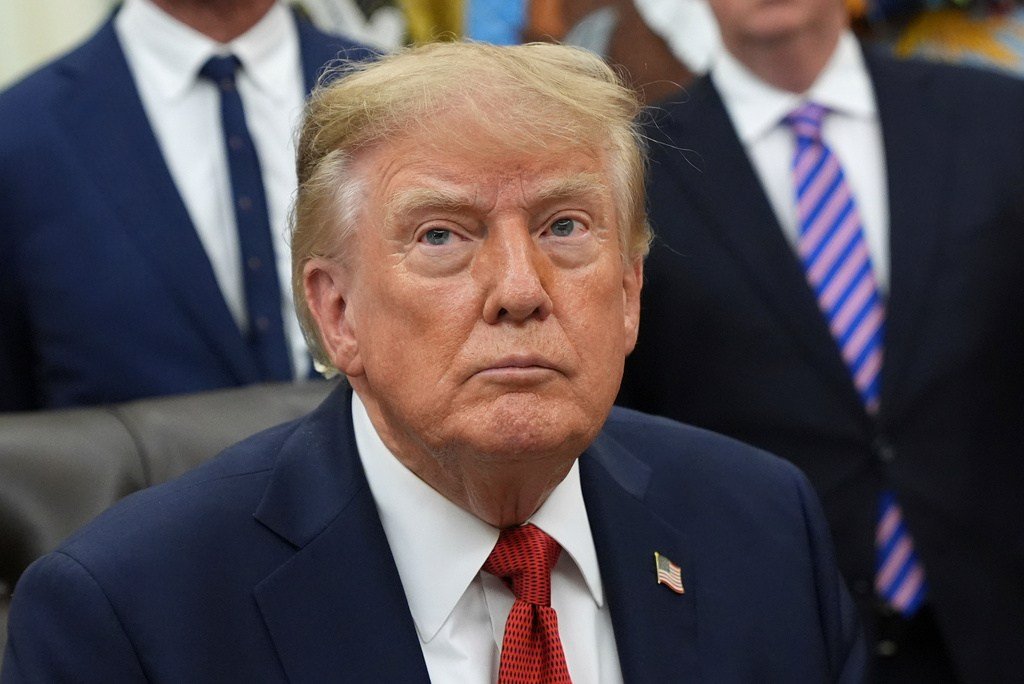
This repurposing of personnel has itself become a political flashpoint, with former President Donald Trump characterizing airports as "fertile territory" for ICE as deployments spark partisan clash over immigration enforcement priorities during the shutdown. The situation raises questions about the sustainability of current operations and the long-term impact on both transportation security and employee morale within federal agencies.
Travelers are now left navigating an information vacuum, forced to rely on airline advisories and potentially outdated crowd-sourced data while planning their journeys. The JFK announcement serves as the latest indicator that the partial government shutdown is moving beyond symbolic inconvenience into the realm of significant operational disruption, with real consequences for economic activity and public confidence in government functions.