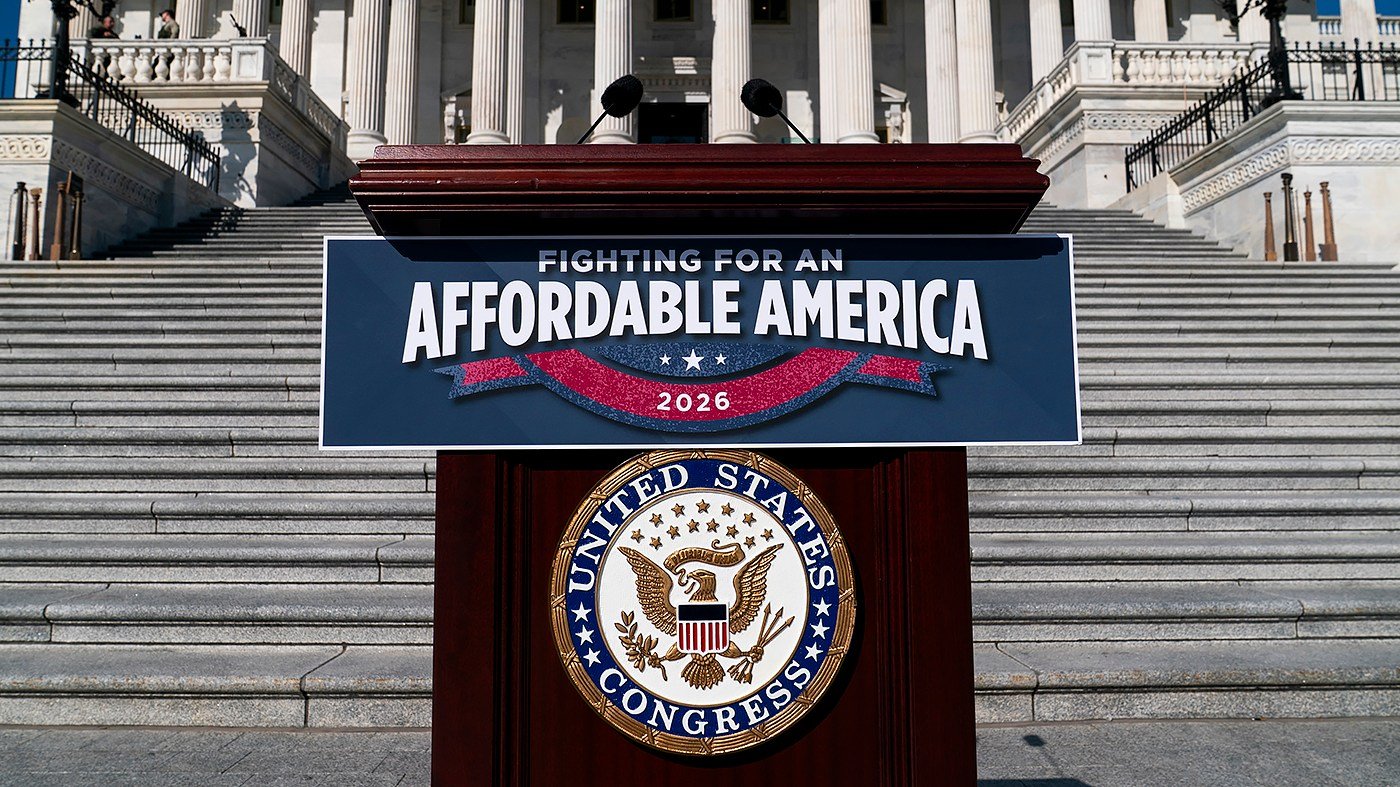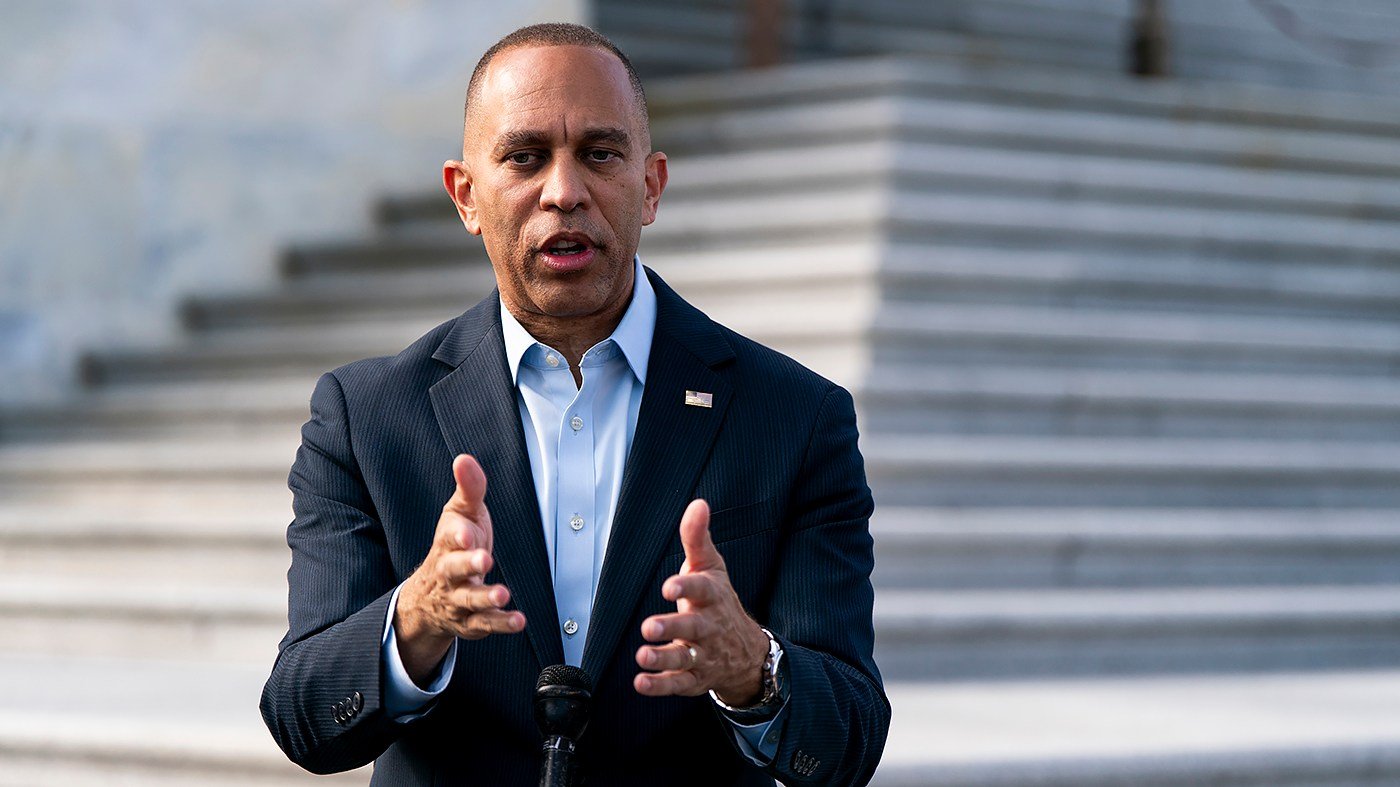
House Minority Leader Hakeem Jeffries (D-N.Y.) is treading carefully on the impeachment of Defense Secretary Pete Hegseth, delivering blistering critiques of the Pentagon chief while stopping short of endorsing his removal through congressional action. This cautious stance underscores the delicate balancing act Democratic leaders face as they juggle progressive calls for aggressive oversight against fears of alienating swing voters in next week's elections.
Jeffries, who is poised to become Speaker if Democrats reclaim the House, has repeatedly sought a middle path. He has labeled Hegseth "grossly unqualified" and demanded his firing, but has not thrown his weight behind the impeachment resolution introduced by Rep. Thomas Massie (R-Ky.). At a campaign rally in New York over the weekend, Jeffries vowed that a Democratic majority would "run Pete Hegseth out of town," yet when pressed by reporters, he remained deliberately vague.
"It means that we're going to hold him accountable in the same way that we held [former Attorney General] Pam Bondi and [former Homeland Security Secretary] Kristi Noem accountable," Jeffries said, according to MS NOW. "And Pete Hegseth needs to be pushed aside by the president, or we're going to have to deal with that situation if he is not."
The analogy is telling: Bondi and Noem were ousted by Trump, not by Congress, suggesting Jeffries prefers executive action over legislative impeachment. One House Democrat, speaking anonymously, speculated that Jeffries is waiting to see how Massie's impeachment push unfolds, especially given the possibility of bipartisan support after the midterms. "I think if there's an opportunity to be bipartisan, we're always going to look for that opportunity," the lawmaker said, adding that more Republicans may express frustration with Hegseth post-election.
Jeffries's fence-sitting may soon become untenable. Massie filed eight articles of impeachment against Hegseth last month, half related to the Iran war, and invoked a procedure that forces a floor vote despite GOP leadership objections. Speaker Mike Johnson (R-La.) altered the House calendar to delay the vote until after the elections, but it is expected to occur quickly when lawmakers return. That vote will test Democratic unity and could influence Jeffries's path to the Speakership, which requires 218 Democratic votes in January.
Some Republicans are skeptical of the impeachment effort. Rep. Don Bacon (R-Neb.), a retired Air Force brigadier general, expressed reservations, questioning the wisdom of a politically charged process that the Senate is unlikely to take up. "I'm a little leery about voting for the impeachment," Bacon said. "I also know the Senate will not pass this. So what are we going to do? We're going to take up the rest of the four weeks' bandwidth to do an impeachment that the Senate won't vote for."
Progressive Democrats, however, are pushing hard for accountability. Rep. Ro Khanna (D-Calif.), a member of the House Armed Services Committee, voiced strong support for impeachment, citing Hegseth's "illegal actions in the Caribbean, for the illegal bombings in Iran, and for the illegal firing of generals." Khanna's comments reflect broader frustration among Democrats over Hegseth's conduct, including his dismissal of over two dozen senior military officers and his controversial military operations.
Hegseth has defended his reforms, arguing that the military is "rank-heavy" and that reducing senior officers is necessary to better connect leadership with troops. But his critics remain unconvinced, and the coming weeks will likely force Jeffries to clarify his position. As the post-election showdown over Hegseth and the Iran war intensifies, Jeffries's next moves will be closely watched by both his caucus and the broader political landscape. With GOP leadership votes scheduled for November 10, the political calculus is shifting rapidly.
Jeffries's balancing act reflects a broader Democratic strategy: to hammer the Trump administration on policy without appearing obsessed with impeachment. That approach may satisfy neither the base nor moderates, but it is the path Democratic leaders have chosen as they navigate a treacherous political environment. Whether it holds will depend on the election results and the pressure from within their own ranks.