Silicon Valley is bracing for a wave of Democratic oversight if the party retakes Congress in 2027, a scenario that would turn the industry's aggressive courtship of President Trump into a political liability. After two years of Republican control on Capitol Hill, Democratic lawmakers are poised to launch investigations into tech companies' relationships with the Trump administration and push for AI safety regulations that have so far stalled.
Strategists say the industry's pivot to align with Trump—marked by inaugural donations, Mar-a-Lago visits, and policy shifts—has left it vulnerable. “The tech industry has done nothing to prevent themselves from being the villain of the 2028 storyline,” said Cooper Teboe, a Silicon Valley-based Democratic strategist. “I suspect they have a significant number of investigations coming their way on the official side and on the political side.” Teboe predicted that if Democrats take the majority, they will start “pissed and looking for someone to go after.”

The perception shift is notable. A recent Politico poll found that Americans are more likely to assume top tech executives are Republicans, even those like Anthropic CEO Dario Amodei, who clashed with the administration on AI safety. “How could they not? These guys are standing behind the president every chance they get,” Teboe said, adding that they've “made no effort to be a bipartisan force prior to the last month when they realized how f—ed they were.”
The public displays of alignment were unmistakable at the inauguration, where Amazon's Jeff Bezos, SpaceX's Elon Musk, and Google's Sundar Pichai sat behind the president. This has not gone unnoticed by Democrats, who are already signaling a tougher stance. In early March, Sens. Elizabeth Warren (Mass.), Richard Blumenthal (Conn.), and Chris Van Hollen (Md.) released a 27-page report on how AI data centers could drive up consumer costs. Rep. Frank Pallone Jr. (D-N.J.), the top Democrat on the House Energy and Commerce Committee, expanded his probe into AI-powered surveillance pricing.
Legal experts note that Democrats won't start from scratch. “Existing inquiries, prior document requests and responses from businesses could provide a roadmap for future oversight,” said a blog post from the law firm Morgan Lewis. Susanne Sachsman Grooms, a partner at Cooley LLP, told The Hill that Democrats on nearly every committee have shown deep interest in tech issues, sending requests and holding hearings to learn more.
The House Oversight Committee has already vowed to investigate the Trump family's crypto ventures, and donors to Trump's White House ballroom—including Palantir CTO Shyam Sankar, Microsoft's Fred Humphries, and Booz Allen Hamilton CEO Horacio Rozanski—could face early scrutiny. “It's really difficult right now for Republicans to distance themselves from the industry interests within the administration and within the Republican party writ large,” said Sacha Haworth, executive director of the Tech Oversight Project.
Yet the push for oversight isn't purely partisan. “There's a growing bipartisan consensus on the Hill about concerns related to AI and to data centers and to the use and growth and proliferation of AI and Big Tech,” said Brandon Rios, co-lead of the congressional investigations team at DLA Piper. He added that Republicans and Democrats might form “odd bedfellows” on these issues.
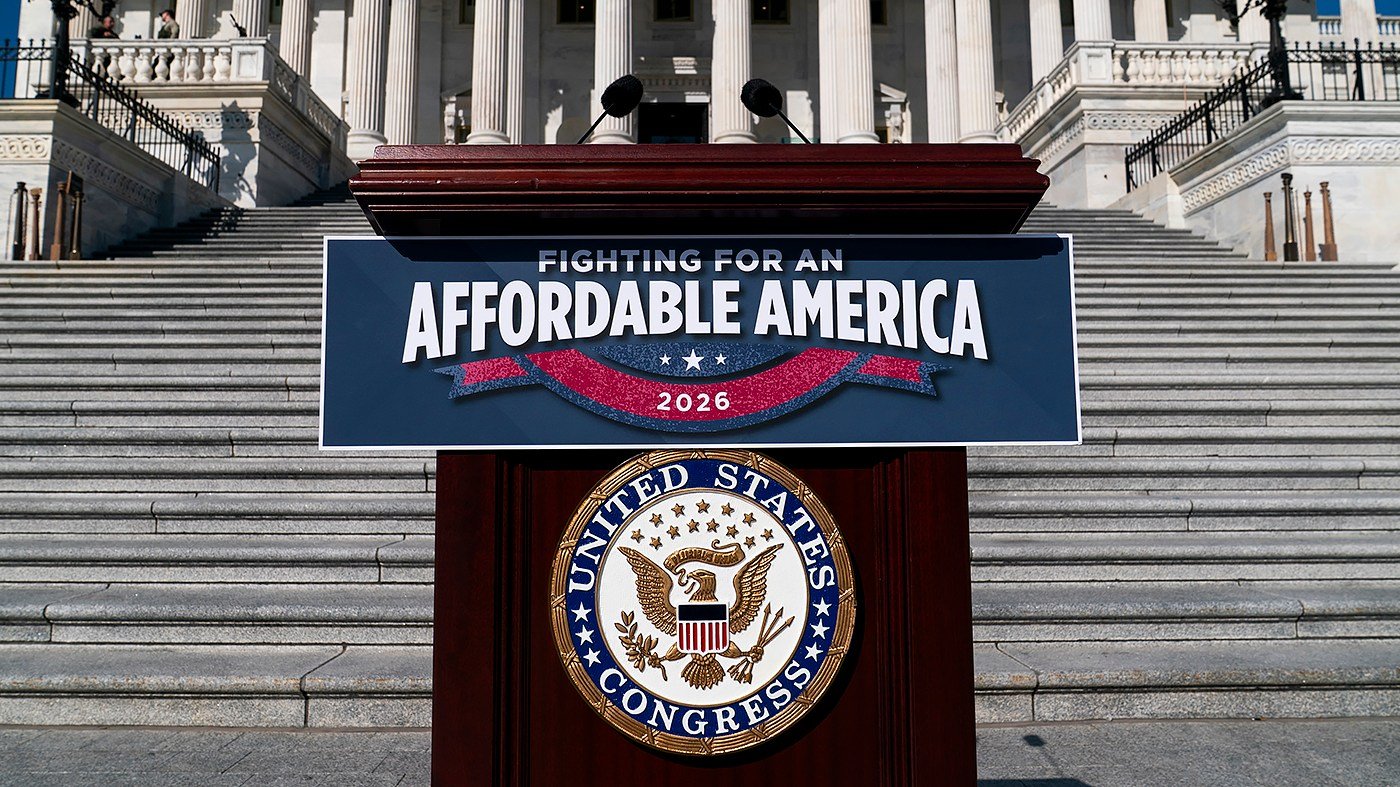
As Democrats look to reshape their party ahead of the 2026 midterms, Teboe argued that AI will be a central theme. With Democrats leading in early polls, the prospect of a Democratic majority is real. Should that happen, the tech industry could face its most intense congressional scrutiny in years, with investigations that could span from campaign finance to data privacy to national security.