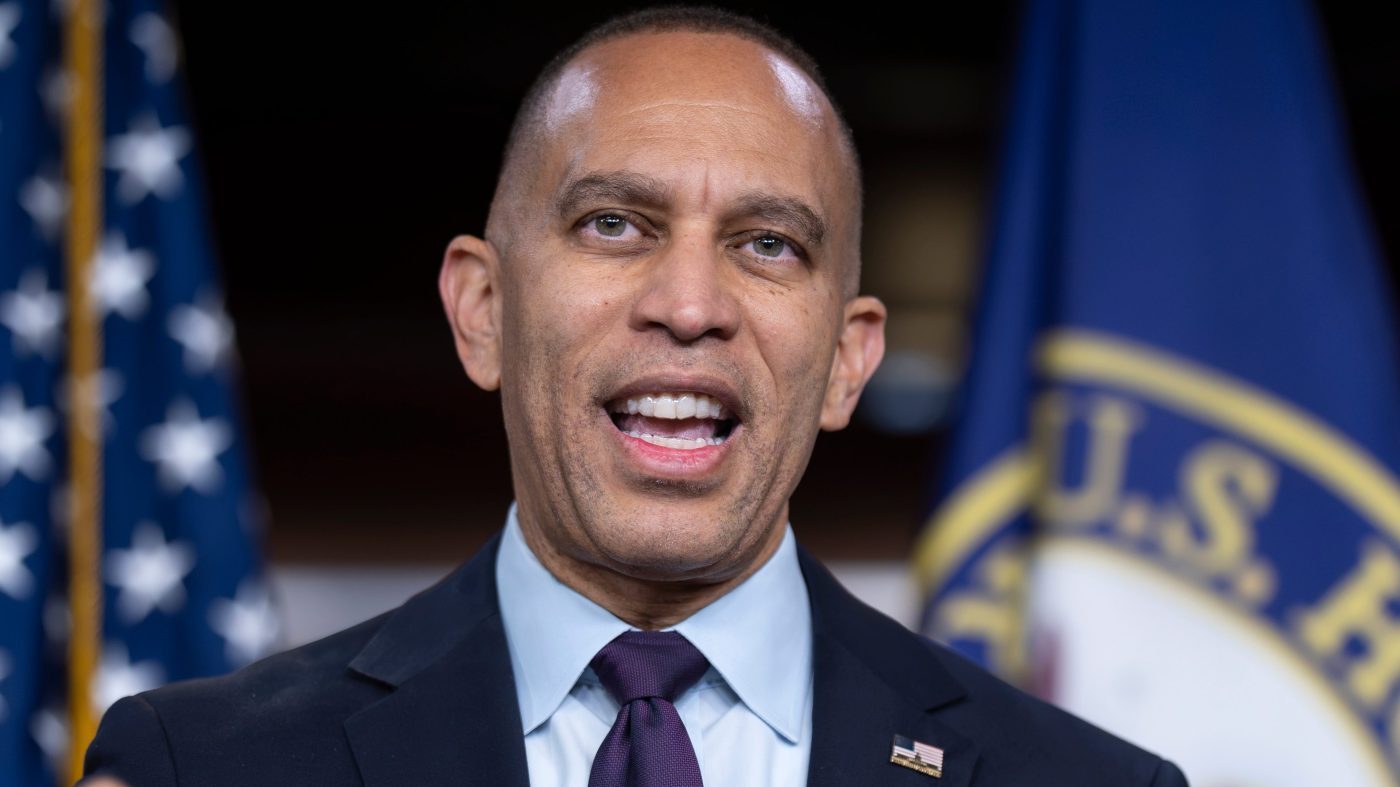
House Minority Leader Hakeem Jeffries (D-N.Y.) on Wednesday accused the Trump administration of failing to address public health and safety concerns surrounding the Army's detonation of five tons of lead munitions in Iowa, as officials touted the operation's initial success.
The controlled explosion, carried out at the Iowa Army Ammunition Plant in Middletown, had prompted evacuation recommendations for residents ahead of Thanksgiving due to fears of toxic lead dispersal. Administration officials celebrated the results, but Jeffries, who is poised to become the next House Speaker, sharply criticized the decision-making process.
"The potential fallout could span multiple states and has forced Americans to evacuate their homes the day before Thanksgiving," Jeffries said in a statement. He added that "much remains unknown about how many people will be impacted by the explosion, the potential damage to crops and agriculture, the possible harms to clean air and clean water in the surrounding area and the long-term health impacts for the community."
The Army argued the detonation was the safest method to dispose of degraded explosive material that risked spontaneous ignition. But Jeffries questioned the administration's assurances, taking particular aim at Defense Secretary Pete Hegseth.
"This administration has repeatedly proven that they cannot be trusted to guard the health, safety and well-being of everyday Americans," Jeffries wrote. "People need transparent information, not vague assurances of safety being made by a Defense Department led by a grossly incompetent Secretary who is running the Pentagon into the ground."
President Trump, who supported the blast, said Wednesday that preliminary reports indicated the Army's efforts to limit environmental impact had "far exceeded expectations." Environmental Protection Agency Administrator Lee Zeldin told CNN that air monitors had initially detected no lead, and acting Army Secretary Adam Telle said the threat of an uncontrolled explosion had been eliminated.
The detonation followed days of legal and political wrangling. Trump on Monday sought to make the decision contingent on approval from Iowa Gov.-elect Rob Sand (D) and the courts, threatening to hold Sand responsible for any deaths or destruction resulting from an uncontrolled explosion if he did not back the plan. The political standoff over the Iowa munitions burn drew sharp criticism from both sides, with some lawmakers calling the operation "insane" and others defending it as necessary.
The controversy comes amid broader tensions over military and environmental policy, with Jeffries and other Democrats pressing for greater oversight of Pentagon decisions. The episode has also fueled debates about the competence of Hegseth's leadership, especially as he faces scrutiny over other defense initiatives, including a recent pact with Venezuela that some analysts say undercuts Beijing's regional ambitions.
As the Thanksgiving holiday approached, residents in affected areas remained uncertain about long-term health implications. Environmental groups and local officials have called for independent monitoring and full disclosure of test results, while the administration maintains that the operation was conducted safely. The dispute highlights the ongoing friction between the Trump administration and Democratic leaders over public health protections and emergency preparedness.