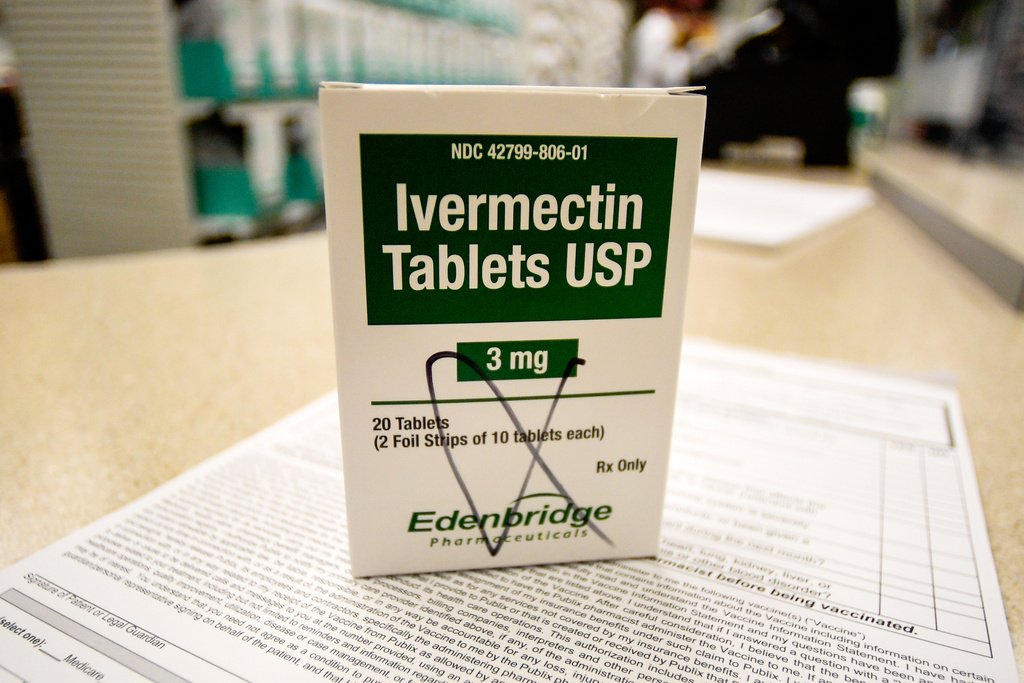
A new analysis of electronic medical records from 68 million patients has uncovered a troubling trend: prescriptions for ivermectin among cancer patients more than doubled between January and July 2025. The anti-parasitic drug, commonly used as a dewormer in livestock, is being sought out by patients hoping it will combat their malignancies, despite a lack of clinical evidence supporting its efficacy for cancer.
The study, which has not yet been peer-reviewed, found that the surge was most pronounced among white, male patients living in the Southern United States. Researchers attribute the rise, at least in part, to a viral episode of Joe Rogan's podcast in January 2025, where actor Mel Gibson claimed a combination of ivermectin and benzimidazole—a compound found in agricultural chemicals—had cured multiple cases of cancer in his acquaintances. The episode garnered over 60 million views.
Since then, other public figures have amplified the message. Ron Duguay, a former NHL player and current partner of ex-vice presidential candidate Sarah Palin, told ABC News that he is using high doses of ivermectin as part of his treatment for Stage 4 colon cancer. Such endorsements have sparked concern among oncologists, who warn that turning away from chemotherapy and other proven treatments could have deadly consequences.
“This is not just a fringe phenomenon anymore,” said Dr. Elena Torres, an oncologist at the University of Texas MD Anderson Cancer Center. “Patients are coming in asking for ivermectin instead of standard care. It’s deeply worrying because we know chemo works, and we have no data that ivermectin does for cancer.”
The trend echoes earlier controversies during the COVID-19 pandemic, when ivermectin was promoted as a treatment despite strong evidence against its use. Now, with cancer patients, the stakes are even higher. The American Cancer Society has reiterated that no reputable studies support ivermectin as a cancer therapy, and the FDA has not approved it for that purpose.
This development comes amid broader debates over healthcare access and trust in medical institutions. A proposed federal rule could further undermine public confidence by restricting the release of scientific data behind cancer research, critics argue. Meanwhile, mental health parity laws continue to fall short for cancer patients, even with bipartisan support for improvements.
The political implications are significant. As misinformation spreads rapidly online, lawmakers face pressure to address the root causes of medical distrust. Some have pointed to the influence of celebrity endorsements and the lack of regulation on social media platforms. Others note that the rising cost of healthcare may drive patients to seek cheaper, unproven alternatives.
In a separate but related case, Mark Cuban has joined doctors in pushing for legislation that would hold insurers accountable when they deny coverage for proven treatments, a move that could help patients access standard care without financial barriers.
For now, medical professionals are urging cancer patients to consult with their doctors before making any changes to their treatment plans. “We understand the desperation that comes with a cancer diagnosis,” said Dr. Torres. “But choosing ivermectin over chemotherapy is not a decision to take lightly. It could be a fatal mistake.”