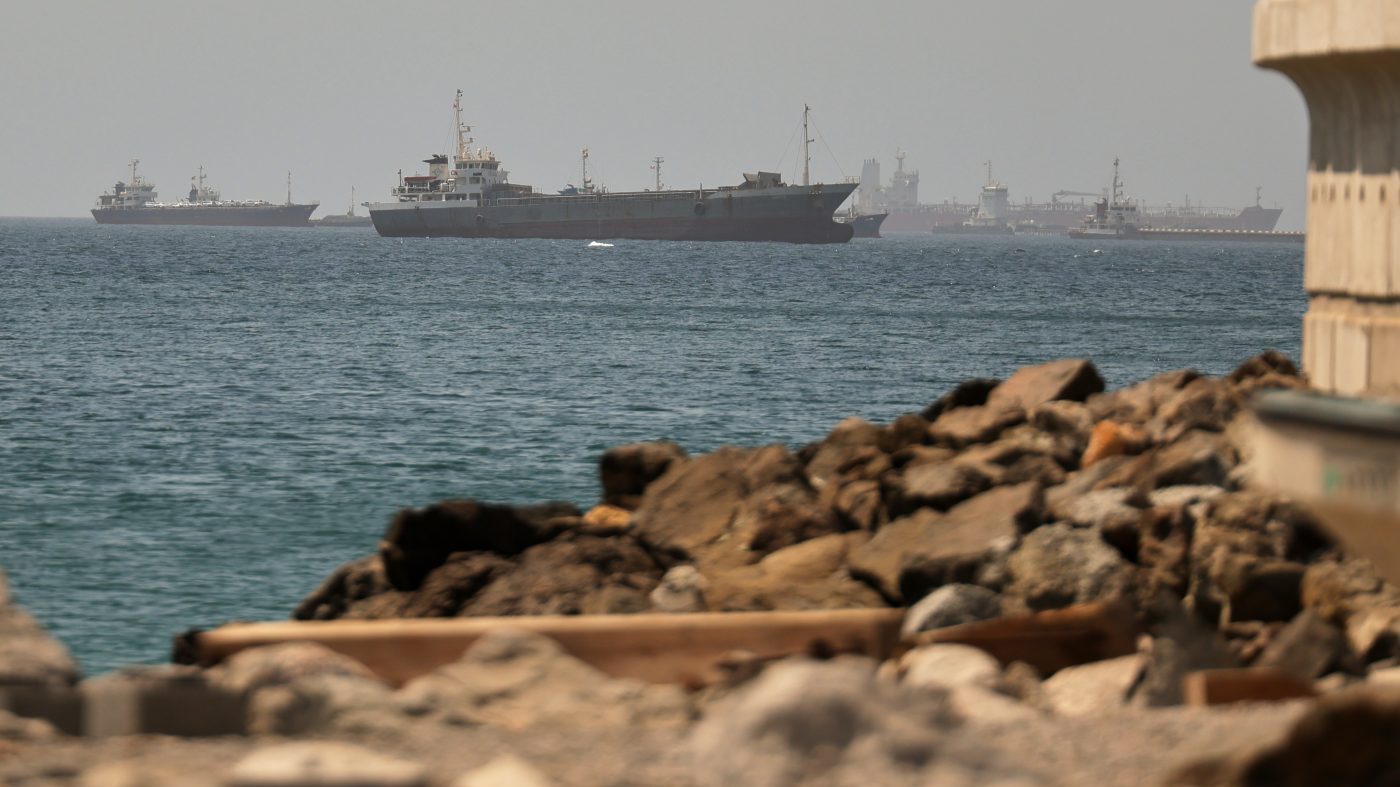
Iran's Khatam al-Anbiya military command issued a stark warning Thursday, vowing a “forceful response” against any oil tanker that deviates from designated routes through the Strait of Hormuz. The statement, carried by Iranian state media, declared that “any failure to comply, deviation from the designated route, or disregard for the navigation protocols” would be met with immediate military action, “endangering the security of the violating vessels.”
The command framed the threat as a matter of national sovereignty, stating that “any disruptive action in the Strait of Hormuz will be considered a threat to Iran’s national sovereignty and will be met with a rapid and decisive action.” The warning comes amid a fragile truce between Tehran and Washington, following a weekend exchange of strikes that nearly derailed ongoing peace talks.
Iran Rejects U.S. Authority Over Shipping Lanes
Iranian Deputy Foreign Minister for Legal Aid and International Affairs Kazem Gharibabadi explicitly rejected U.S. Central Command’s role in defining navigation routes through the strait. “Hormuz is defined under Iran’s command, not CENTCOM,” Gharibabadi posted on social platform X, translating from Persian. He dismissed a CENTCOM-led military summit in Bahrain as unable to “establish legal order and security for the Persian Gulf.”
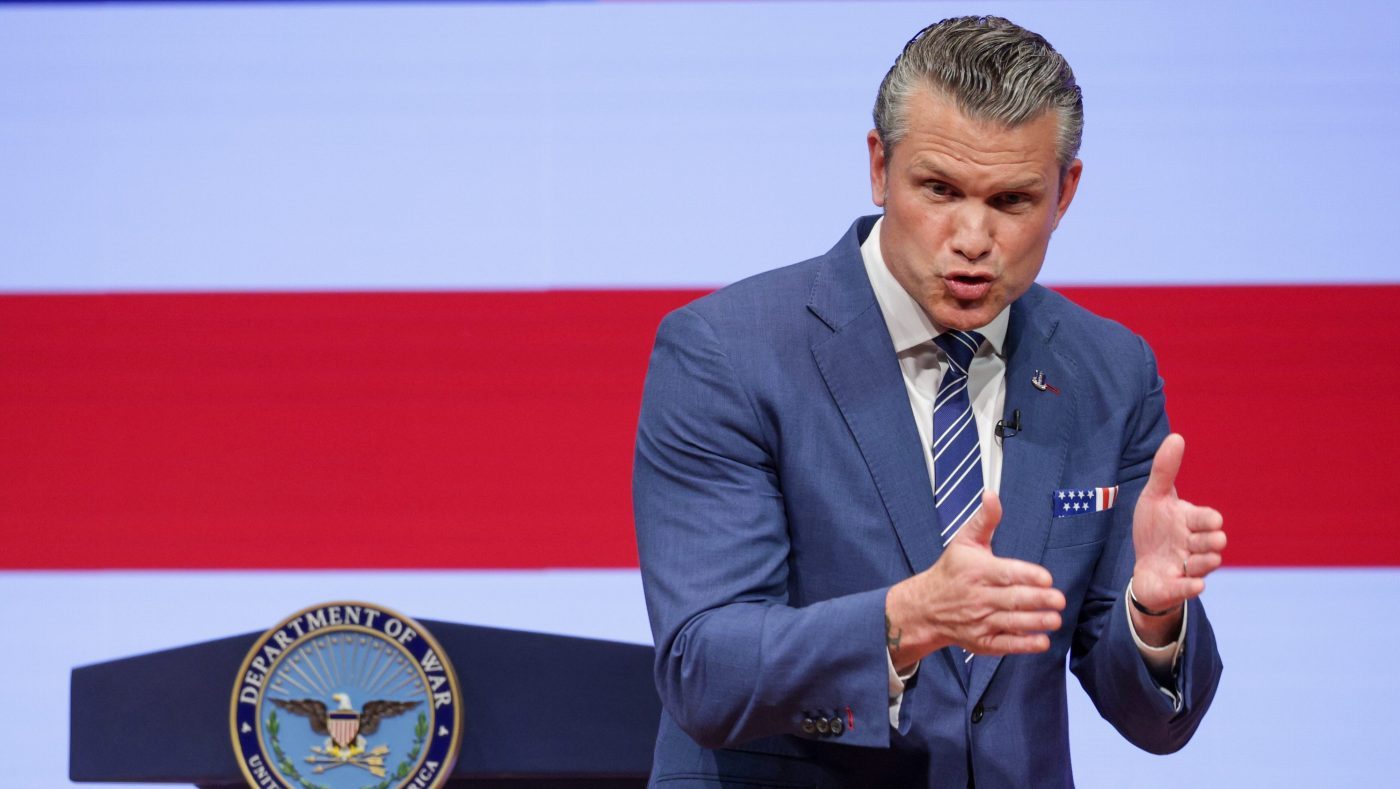
Centcom had released a statement Wednesday highlighting the meeting with military officials from across the Middle East, including Lebanon and Syria, emphasizing their “shared commitment to the free flow of commerce through the Strait of Hormuz.” The timing of Iran’s warning suggests a direct challenge to that commitment.
Shipping Traffic Rebounds After Strikes
Despite the heightened rhetoric, shipping through the strait has rebounded after the U.S.-Iran strikes. Maritime tracking firm Kpler reported 45 crossings as of Wednesday, up from 34 on Tuesday. Route visibility shifted toward the Omani route, accounting for 21 crossings, followed by 11 via the Iranian route. The waterway carries nearly a fifth of the world’s oil supply, and its reopening was a cornerstone of the memorandum of understanding signed by the U.S. and Iran to lower gas prices after the strait’s closure in late February.
A container ship grounding in the strait earlier this month after deviating from Iranian-approved routes underscored the risks of noncompliance.
Trump Demands Lower Gas Prices
Gas prices have fallen from their May peak above $4.50, but President Trump this week called on fuel companies to cut prices further, warning of “big problems” if they don’t. In a Truth Social post Thursday, Trump acknowledged the decline but signaled it wasn’t fast enough, giving a shout-out to one company that pledged to drop prices. The president’s pressure on gas prices is a key political priority as the 2026 midterms approach.
Vice President Vance, who led the U.S. delegation in talks with Iranian negotiators after the MOU was signed, warned that the war could resume if the 60-day ceasefire expires without a final peace deal. “If we’ve got to do more, of course, that’s kind of up to the Iranians,” Vance told reporters at Naval Air Station Oceana in Virginia. “If they try to rebuild their nuclear program, if they try to start shooting at commercial vessels again, that’s going to change our calculus.”
The recovery in Hormuz shipping traffic has helped steady markets, but the underlying tensions remain high. Iran’s latest warning signals that Tehran is prepared to enforce its claimed authority over the strait, even as the U.S. and its allies push for unimpeded commerce.