Iran’s ambassador to Mexico, Abolfazl Pasandjdeh, suggested Friday that a rapprochement between Tehran and Washington is within reach—provided President Donald Trump stops taking his foreign policy cues from Israel. The remarks, made at a World Cup fan expo in Mexico City, come as the Trump administration pushes for a peace deal with Iran while navigating a widening rift with Prime Minister Benjamin Netanyahu over the scope of Israel’s military campaign.
“If the U.S. closes its eyes to Israel’s interest, Iran and the U.S. can be very good friends,” Pasandjdeh told Politico through a Spanish translator. He urged Trump to put American interests first, adding, “I also believe that if he puts the interests of the U.S. first, it will yield good results. The most important thing is that the Israeli regime does not seek what is good for the U.S.”
The ambassador’s comments underscore a persistent fault line in the region: Israel’s aggressive posture toward Iranian proxies, particularly Hezbollah in southern Lebanon, has repeatedly threatened to derail U.S.-led negotiations. Former U.S. ambassador to Israel Daniel Shapiro recently highlighted the divergence in objectives, telling NPR that Israel’s primary goal is eliminating Iran’s nuclear and ballistic missile threat, while Washington is more focused on reopening the Strait of Hormuz.
“So that’s a divergence between U.S. and Israeli interests, which you can see playing out now in the way the prime minister talks about what he wants to achieve—tried to do some additional strikes just over the weekend—and President Trump’s desire to wind this down,” Shapiro said, suggesting Israel would prefer to continue the war.
Trump himself has sought to assert dominance over the process. In a phone interview with the Financial Times last Sunday, he declared, “I call the shots. I call all the shots. He doesn’t call the shots,” referring to Netanyahu. The president added that Israel would have “no choice” but to accept whatever deal is finalized, possibly as soon as this weekend.
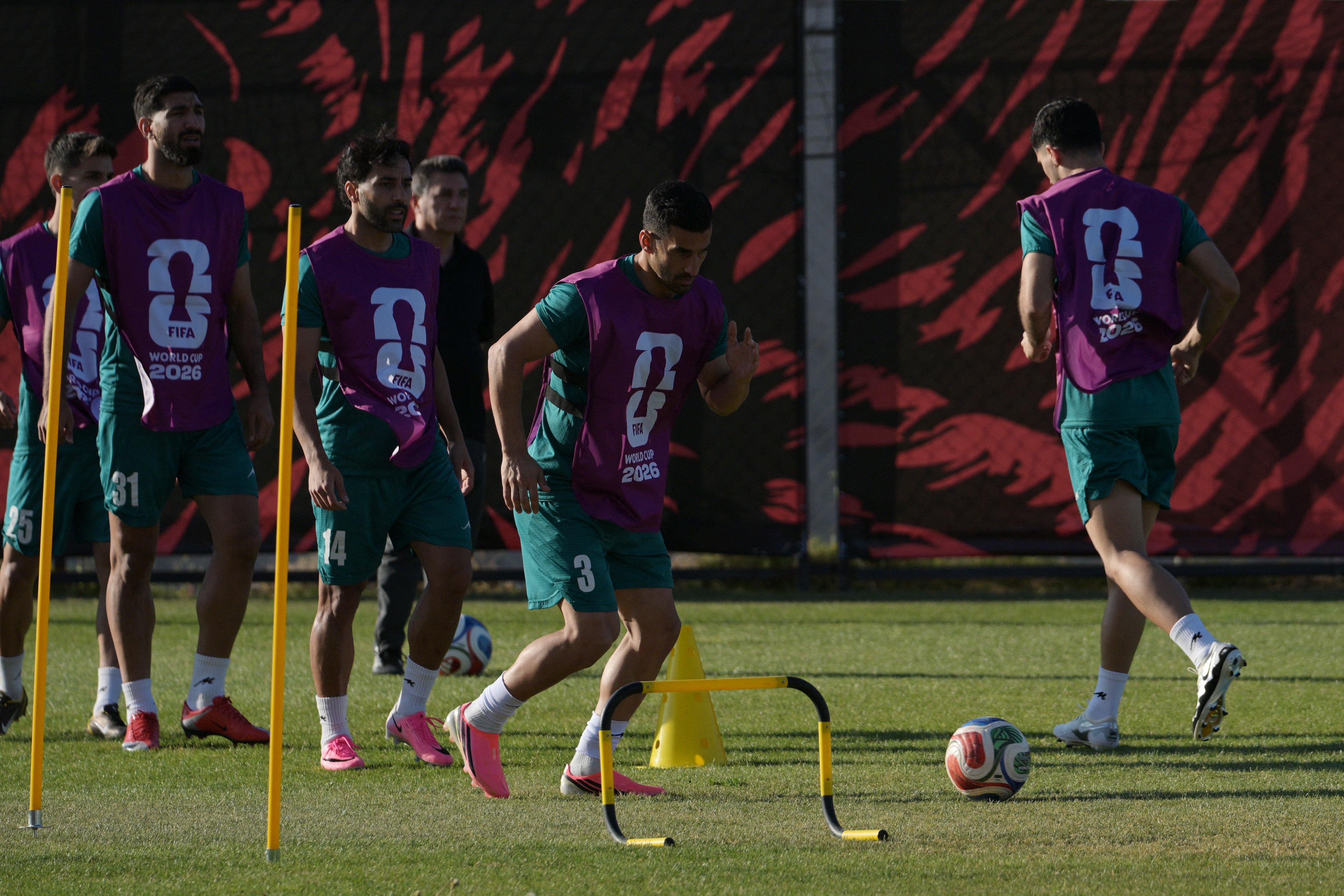
Meanwhile, the diplomatic backdrop is the 2026 FIFA World Cup, which Iran’s national team will attend on U.S. soil. The event has already sparked tensions: the U.S. reportedly denied visas to more than a dozen members of Iran’s support staff, forcing the team to move its training camp from Tucson, Arizona, to Tijuana, Mexico. Pasandjdeh framed Iran’s participation as a gesture of peace, saying, “Our national team will participate even on U.S. soil, and we have the following message: We have no problem with the American nation.”
He added that the World Cup offers a unique opportunity for diplomacy, noting, “I believe we can take advantage of the opportunity of football. The U.S., if it is opportunistic, can seize the opportunity of the World Cup to promote peace.”
The ambassador’s overture comes as reports surface that Pakistan has claimed a U.S.-Iran deal could be reached within 24 hours, though Tehran remains skeptical. Trump has denied leaked terms as “fake” and called Tehran dishonorable. Meanwhile, a recent analysis suggests Iran believes it can outlast Trump in the conflict, complicating the path to a final agreement.