The Trump administration's ambitious push for a comprehensive nuclear and sanctions relief deal with Iran hit an early snag this week, as technical talks scheduled for the weekend were postponed. The White House attributed the delay to logistical challenges, stating in a Thursday evening release that “the logistics of these negotiations have never been simple or predictable.”
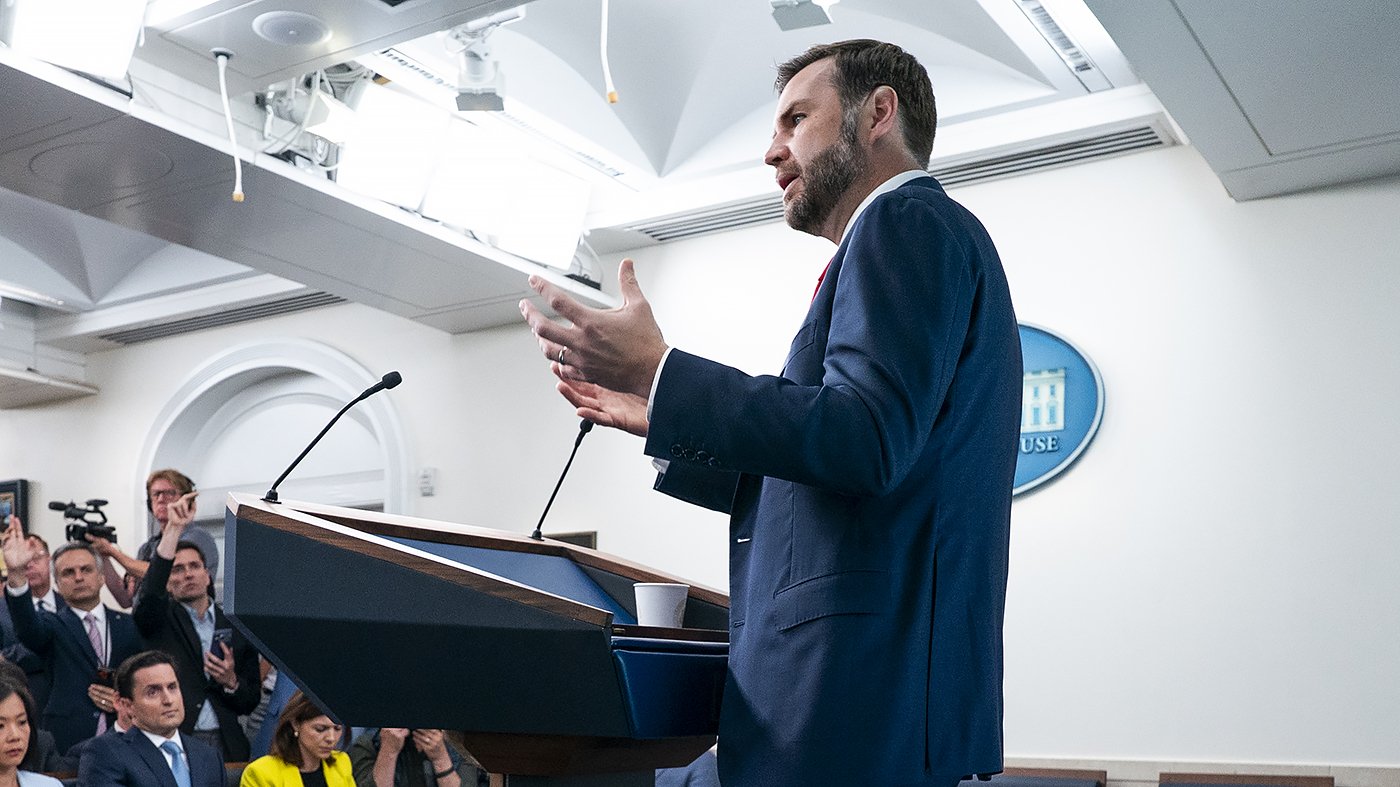
The setback comes just days after President Trump signed a framework agreement that started a 60-day clock for negotiators to hash out the details. Vice President Vance, who is expected to lead the U.S. delegation, acknowledged uncertainty about the timeline during a White House briefing on Thursday. “We think these technical negotiations start sometime this weekend,” he said. “That’s still the plan. But that could change.”
Complicating matters further, overnight violence erupted along the Israel-Lebanon border. The Israeli military reported that four of its soldiers were killed in an attack attributed to Hezbollah, the Iran-backed militant group. In response, Israel launched retaliatory strikes that Lebanese health officials said killed at least 16 people. Prime Minister Benjamin Netanyahu vowed a forceful response, writing on social media early Friday that the IDF struck Hezbollah “with force” following what he called a “heinous attack.” He added: “My directive is clear: Israel will not tolerate attacks on our soldiers or our territory, and it will exact a very heavy price from Hezbollah.”
The escalating conflict has direct implications for the Iran talks. A report from an outlet linked to Hezbollah indicated that Iran would delay its participation due to the Israeli strikes. Tehran has consistently insisted that its ceasefire with the U.S. hinges on a halt to hostilities between Israel and Lebanon. This linkage underscores the fragility of the negotiation process, as outlined in the framework agreement that launched the 60-day timeline.
Despite the delay, Iran's supreme leader, Ayatollah Mojtaba Khamenei, signaled that Tehran remains open to talks. In a Thursday evening social media post, he appeared to confirm Iran's eventual participation but added a cautionary note: “However, it’s self-evident that the in-person negotiations in the future will not mean acceptance of the enemy’s position.”
The 60-day deadline is not rigid. President Trump told reporters on Wednesday, “I don’t view it as hard. Just as long as they’re behaving, I really don’t care that much.” Both sides can agree to extend the timeline, but the delay has already deepened rifts within the GOP, where some lawmakers criticize the administration for moving too quickly on a deal with Iran while Israel faces continued attacks.
Vance, who has faced sharp pushback from Republican hawks, dismissed concerns that Trump would blame him if the talks collapse. He insisted the administration is committed to a diplomatic resolution but acknowledged the volatility of the region. “These are complex negotiations,” Vance said. “We're prepared for setbacks. The question is whether Iran is serious.”