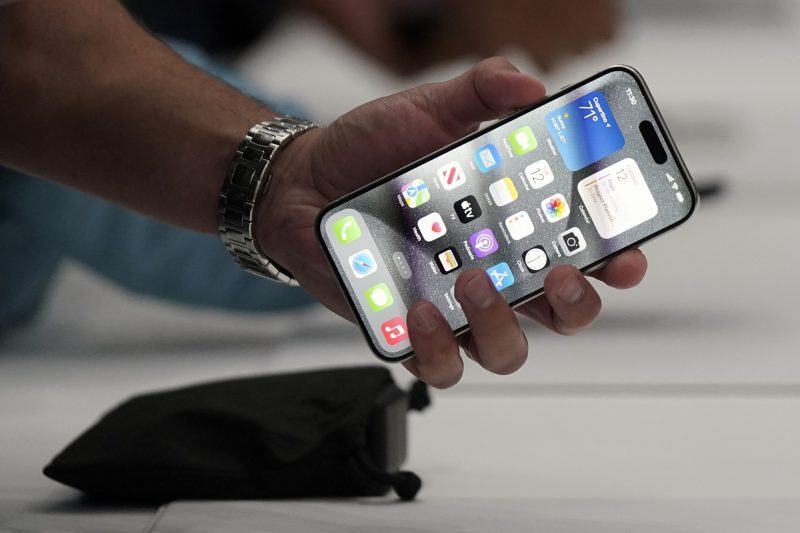
Apple's rollout of iOS 27 on Monday brought a host of new features to compatible iPhones, iPads, and other devices, but users are already reporting a familiar annoyance: the update is eating up storage and, in some cases, causing battery life to take a hit. The company's latest major software release, which follows last year's shift to the iOS 26 naming convention, is a hefty download that demands several gigabytes of free space on your device.
For many users, the immediate hurdle is simply having enough room to install the update. Apple's software has grown increasingly large over the years, and iOS 27 is no exception. If your device is low on storage, you may need to offload apps, clear cached files, or delete old photos to make the upgrade possible. This is a common pain point with major iOS releases, and it often catches users off guard.
Beyond storage, some early adopters have reported that their iPhones seem to be draining battery faster than usual after installing the update. This is not unusual for a major OS refresh, as background tasks like indexing, photo analysis, and syncing can temporarily spike power consumption. The good news, according to experts, is that this effect is typically short-lived. Once the system finishes its post-installation housekeeping, battery performance usually returns to normal.
The update's size and the potential for temporary battery drain are not the only concerns. As with any major software rollout, there are always a few bugs lurking. Apple has not acknowledged any widespread issues with iOS 27, but users have taken to social media to report minor glitches, from Wi-Fi connectivity problems to app crashes. Historically, Apple has moved quickly to patch such issues with follow-up updates, so those encountering problems may not have to wait long for a fix.
For those wondering whether their device is eligible for the update, Apple has confirmed that not every iPhone will qualify. The company's compatibility list for iOS 27 excludes several older models, a move that has become standard as Apple pushes forward with new features that require more processing power and memory. Users with unsupported devices will need to consider upgrading their hardware if they want access to the latest capabilities.
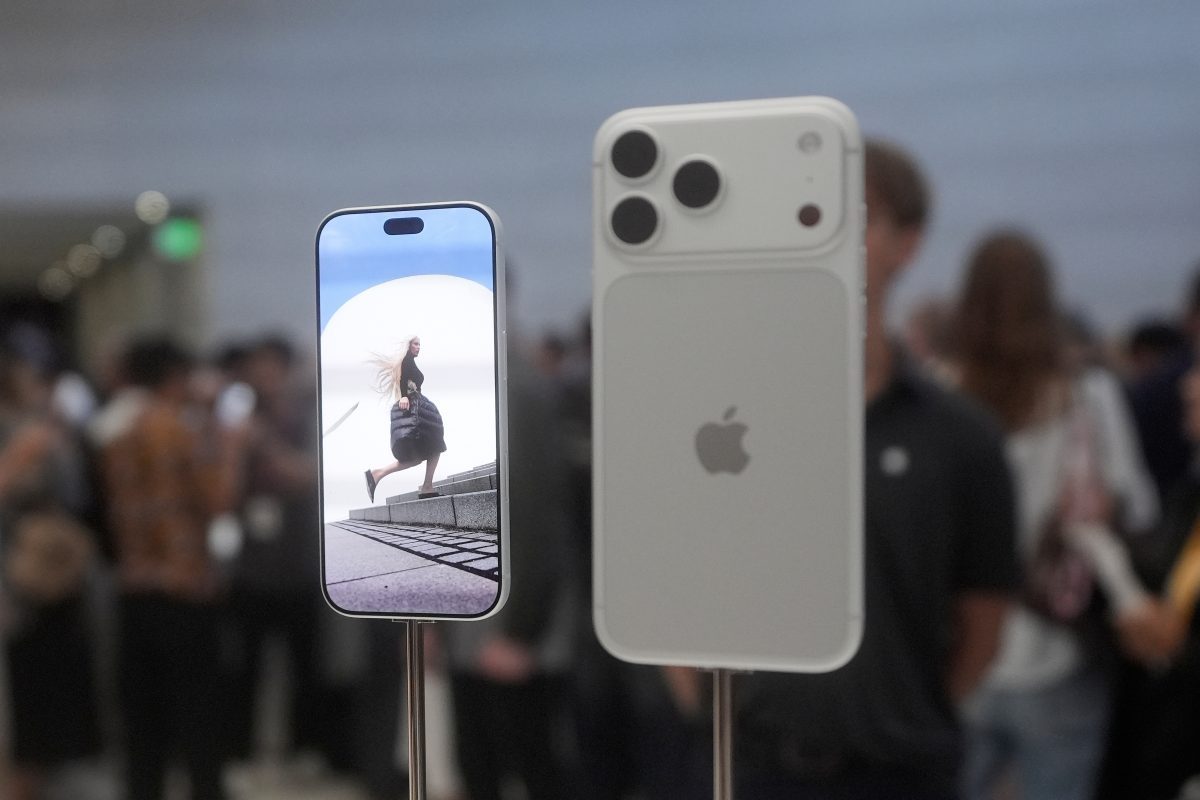
The release of iOS 27 comes at a pivotal time for Apple, as the company is also preparing to launch its first foldable iPhone, priced at a premium $1,999. The new device, which is expected to be unveiled under the leadership of incoming CEO Ternus, marks a significant shift in Apple's product strategy. According to reports, the foldable iPhone duo will be one of the most expensive smartphones on the market, and it will likely ship with iOS 27 pre-installed.
For now, existing iPhone users can take steps to mitigate the update's impact. Before installing, it's wise to back up your device and ensure you have at least 5-10 GB of free space. After installation, give your phone a few hours to settle down; if battery drain persists, a restart or a settings tweak might help. Apple's support forums are also a good resource for troubleshooting, and the company typically releases a minor update within weeks to address any lingering issues.
In the broader context, iOS 27's large size and temporary battery drain are minor inconveniences compared to the political and economic debates dominating the news cycle. But for the millions of iPhone users who rely on their devices daily, these practical concerns matter. As Apple continues to push the envelope with new hardware and software, users will have to weigh the benefits of upgrading against the costs of storage, battery life, and compatibility.
Ultimately, the iOS 27 update is a reminder that even the most polished tech products come with trade-offs. While the new features are enticing, the immediate aftermath of a major update can be frustrating. But as the title of the original piece suggests, the annoyances are likely to be short-lived, and soon enough, iOS 27 will feel like just another part of your daily digital life.

