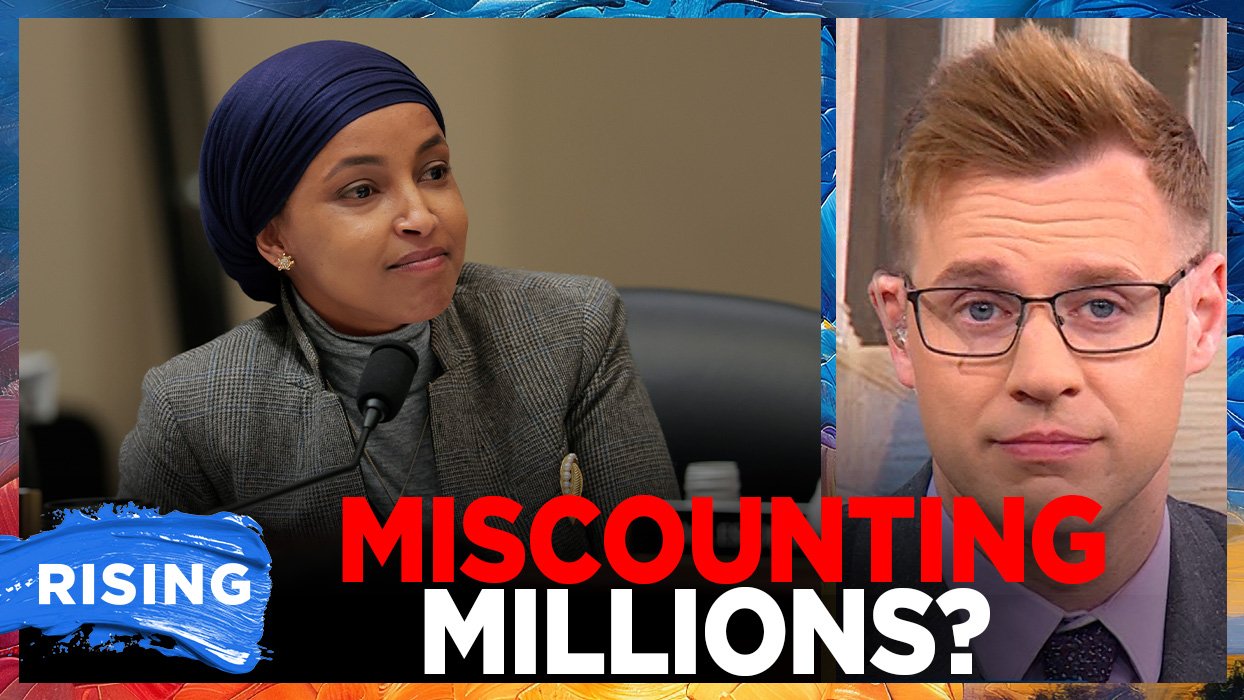
Congresswoman Files Corrected Disclosure After Journal Report
Representative Ilhan Omar (D-MN) has submitted a formal amendment to her congressional financial disclosure, dramatically revising her reported wealth from a previous range of $6 million to $30 million down to between $18,000 and $95,000. The correction follows a Wall Street Journal report that highlighted the substantial discrepancy and triggered scrutiny from congressional Republicans.
The original disclosure, filed last year, indicated a massive increase in assets held by Omar and her husband compared to previous annual filings. This spike prompted questions about the source of such wealth accumulation. According to the Journal's reporting, the inflated figures "triggered questions among Republicans eager to scrutinize a critic of the president." Omar, a prominent progressive and vocal critic of former President Donald Trump, now attributes the multi-million dollar listing to an accounting error.
Omar Attributes Discrepancy to Filing Error
In her amended filing, Omar states the earlier multi-million dollar valuation was a mistake on the form that went unnoticed and was handled by an accountant. The congresswoman's office has characterized the error as clerical, emphasizing she did not personally review the incorrect figures before submission. The revision places her financial standing in a markedly different category, shifting from the threshold of significant personal wealth to that of a more typical congressional salary range.
The scale of the discrepancy—potentially differing by a factor of 300—has raised eyebrows, given the legal requirement for accuracy in these mandatory disclosures. Members of Congress are obligated to file these reports to provide transparency about potential conflicts of interest and to maintain public trust. Errors, particularly of this magnitude, can draw formal inquiries. As one observer noted, the difference "is the difference between being in an ordinary financial situation and being extremely rich."
Omar's political profile adds a charged dimension to the filing issue. A Somali immigrant and member of the progressive "Squad," she has been a lightning rod for conservative criticism and a frequent subject of intense political debate. Her amended disclosure arrives amid broader discussions about ethics and financial transparency in Congress, including debates over stock trading by lawmakers and the adequacy of current disclosure rules. The episode underscores the persistent tension between complex personal finances and the public's demand for clarity from elected officials, a topic frequently examined by bodies like the House Financial Services Committee.
Broader Context of Financial Scrutiny
This incident occurs within a political environment where the personal finances of public figures are under increasing microscope. From cryptocurrency investments to traditional stock portfolios, lawmakers' financial activities are facing new levels of public and media examination. A recent survey showing many Americans turning to high-risk assets for financial planning highlights the complex landscape individuals navigate, though the reporting requirements for members of Congress are distinct and carry legal weight.
While Omar has stated the error was unintentional, the correction process itself becomes part of the official record and could factor into future ethics considerations. The requirement for accuracy in these documents is paramount, as they form a basis for public accountability. As noted in the original commentary, "I expect better from my members of Congress. We need to have faith they aren’t corrupt." This sentiment echoes a foundational expectation for transparency in governance.
The filing revision also touches on wider themes of trust in institutions and the financial pressures on modern politicians. It arrives as progressives, including figures like Omar, seek to advance an economic agenda focused on inequality and corporate power. Maintaining a clear and accurate personal financial record is essential for the credibility of such efforts. The political ramifications of this correction will likely be debated, particularly as it intersects with ongoing narratives about her role and influence, similar to how other political shifts are analyzed, such as a recent expected congressional win signaling progressive momentum.
Ultimately, the amended disclosure stands as a formal correction to the congressional record. Whether it concludes scrutiny of the matter or prompts further review remains to be seen. The episode serves as a reminder of the precise legal and public relations demands placed on elected officials regarding their personal finances, an area where even inadvertent errors can have significant political consequences.