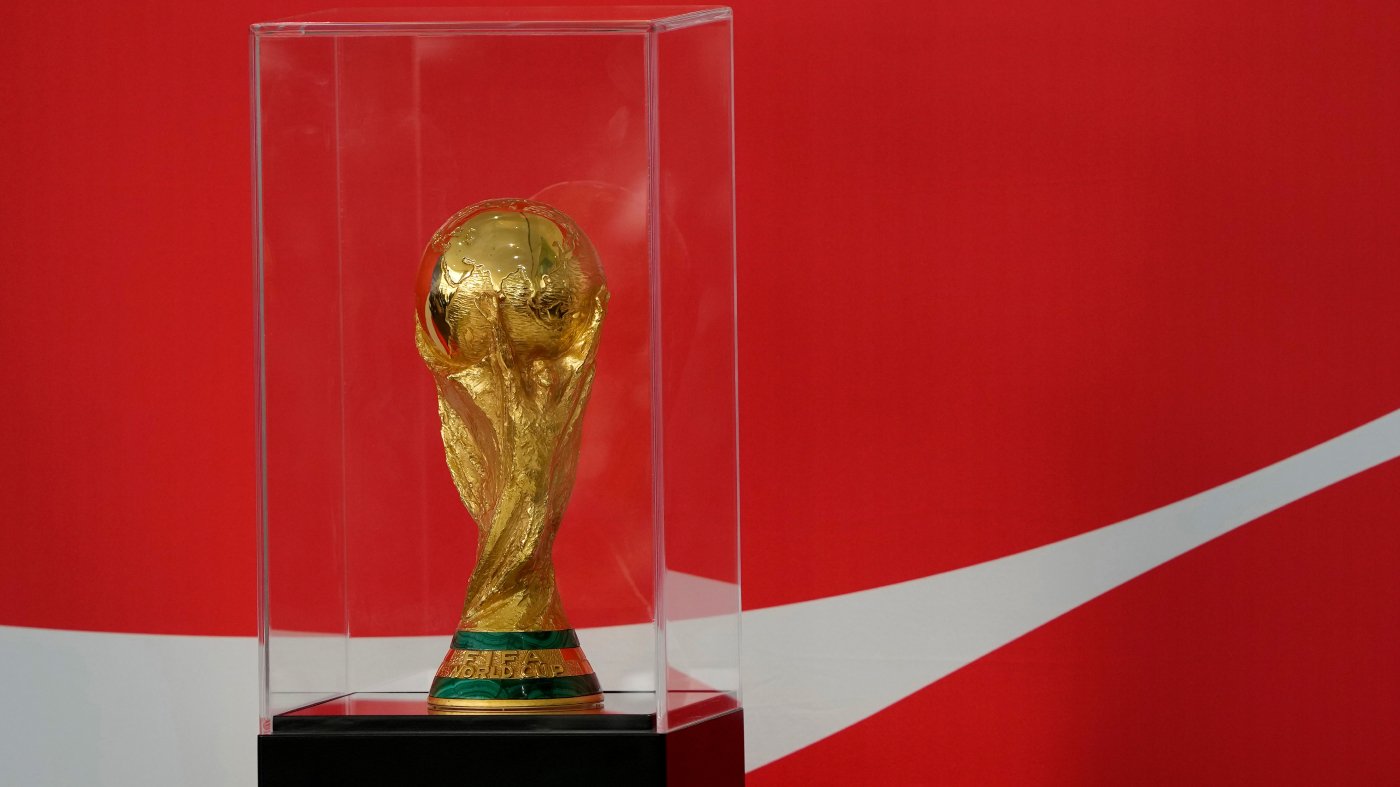
The Trump administration is set to deploy U.S. Immigration and Customs Enforcement (ICE) agents at World Cup matches this summer, leveraging the global sporting event to advance its aggressive deportation agenda. The Department of Homeland Security (DHS) confirmed Wednesday that officers will be present at select games, coordinating with local and federal partners to secure the venues.
A DHS spokesperson sought to reassure legal travelers, stating, “International visitors who legally come to the United States for the World Cup have nothing to worry about. What makes someone a target for immigration enforcement is whether or not they are illegally in the U.S. — full stop.” The department added that foreign visitors should “be proactive and should start working on their travel plans and documents well ahead of time to ensure a smooth travel experience.”
The potential for ICE operations at World Cup matches was first reported by NBC News, citing DHS sources. Millions of fans are expected to travel to North America for the tournament, with many gathering in host cities for pre- and post-match events, not just stadium attendance.
Human rights groups, including Amnesty International and the American Civil Liberties Union, issued a joint travel advisory last month warning that “fans, players, journalists and other visitors … could be at risk of serious violations as the Trump administration doubles down on its draconian immigration and anti-human rights agenda.” Over 100 organizations signed the advisory, reflecting broad concern about enforcement tactics.
President Trump has pressed mayors in major host cities—such as Atlanta, Seattle, and Los Angeles—to bolster public safety and transportation infrastructure ahead of the tournament. Meanwhile, Homeland Security Secretary Markwayne Mullin acknowledged Saturday that a federal funding lapse has hampered preparedness. “We haven’t been able to be as proactive on putting those positions—those safety measures in place, and the first match is June 11,” Mullin said. “The first one in the U.S. is in L.A., June 12. That is around the corner. We have so much work to do.”
The administration’s immigration crackdown has drawn fierce criticism, particularly after fatal shootings of two individuals—Renee Good and Alex Pretti—in the Twin Cities earlier this year during enforcement operations. Those incidents have amplified calls for oversight. Meanwhile, the whistleblower reward system has reshaped enforcement into a paid-tip market, raising further ethical questions.
Beyond immigration concerns, fans have voiced outrage over FIFA’s record-high ticket prices and alleged price gouging for parking, lodging, and transit near venues. The DHS, however, struck an optimistic note: “Our mission is simple: ensure every fan — Americans and visitors alike — has a safe and unforgettable experience.”
As the June 12 opener in Los Angeles nears, the interplay between security, immigration enforcement, and public trust remains a flashpoint. The health emergency readiness of 20 states has been rated high ahead of the event, but the political fallout from ICE’s presence could overshadow preparations.