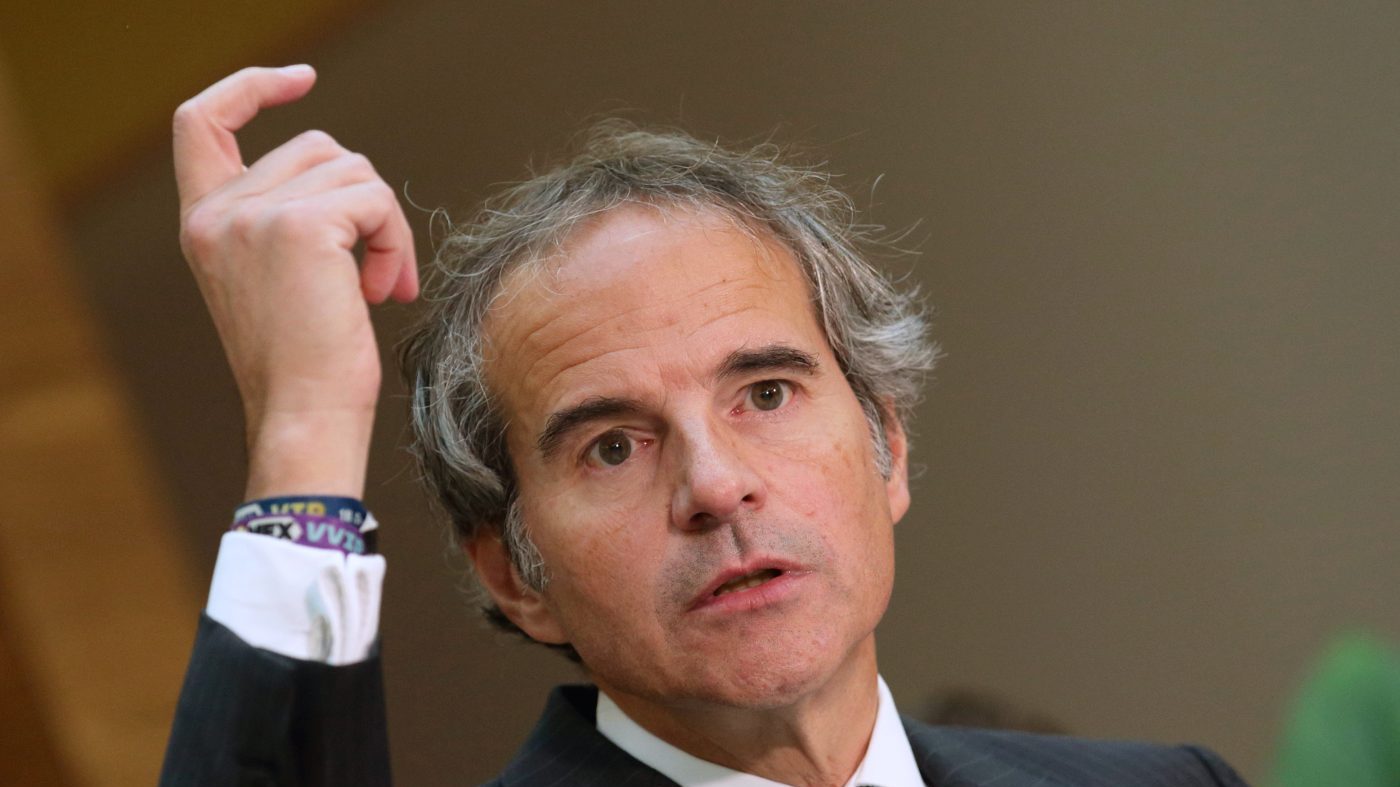
The head of the United Nations nuclear watchdog confirmed Tuesday that Moscow is still willing to extract highly enriched uranium from Iran, a move that could significantly reduce Tehran's capacity to build nuclear weapons.
Rafael Grossi, director general of the International Atomic Energy Agency, told the Associated Press that ensuring Iran loses its stockpile of weapons-grade material—or sees it diluted—remains a priority. The IAEA chief warned last year that Iran's current inventory could be enough to construct up to ten atomic bombs.
Russia's Role in Nuclear Talks
Grossi's remarks come as President Donald Trump escalates military action against Iran, citing its nuclear ambitions as a primary justification. The U.S. and Israel launched joint airstrikes on Iranian nuclear facilities in late February, following an earlier round of strikes in June that targeted the Isfahan complex, the country's largest atomic research hub.
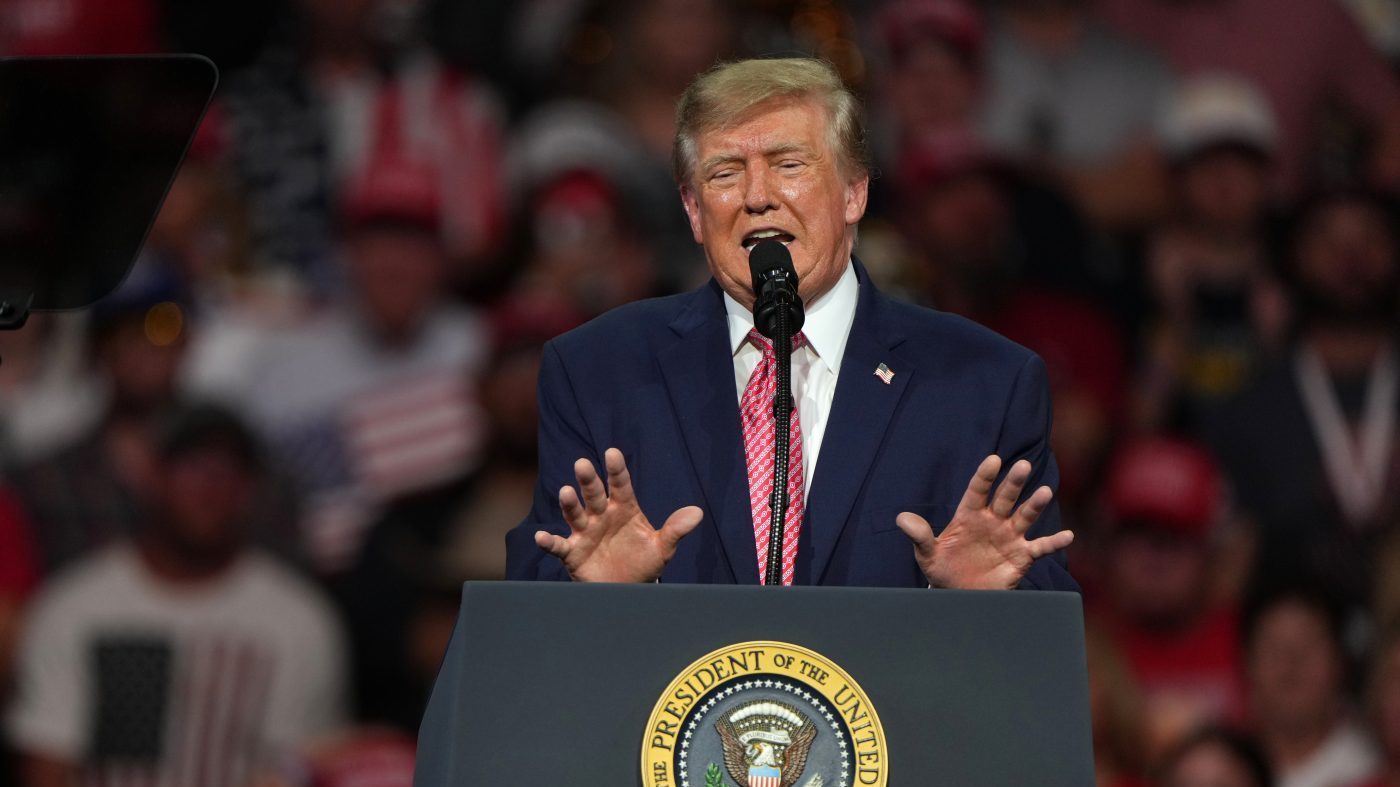
On Wednesday, Trump revealed that Russian President Vladimir Putin had offered to assist with uranium enrichment during a recent phone call. “He told me he’d like to be involved with the enrichment—if he can help us get it,” Trump said. “I said, ‘I’d much rather have you be involved with ending the war with Ukraine.’ To me, that would be more important.”
The exchange underscores the tangled geopolitics of the Iran nuclear file, where Trump has pressed Putin for a Ukraine ceasefire while also discussing the Iran deal.
IAEA's Ongoing Assessment
Grossi said the IAEA has obtained satellite imagery of the Isfahan site, which shows the aftermath of the U.S.-Israeli strikes. While the agency's analysis is still preliminary, Grossi indicated that a large portion of Iran's enriched uranium appears to remain stored at the facility.
“We haven’t been able to inspect or to reject that the material is there and that the seals—the IAEA seals—remain there,” he said. “I hope we’ll be able to do that, so what I tell you is our best estimate.”
The IAEA's limited access on the ground has fueled concerns about the accuracy of its assessments. Critics argue that Washington's strategy toward Iran has backfired, inadvertently boosting Russia's financial position.
Broader Implications
Russia's willingness to help remove enriched uranium from Iran could offer a diplomatic off-ramp, but it also raises questions about Moscow's leverage and intentions. Trump has warned Iran to “get smart” as nuclear talks stall and gas prices surge, signaling that military pressure may continue.
The IAEA chief stressed that the agency is committed to verifying Iran's nuclear activities, but acknowledged the challenges posed by the ongoing conflict. “We need to be able to confirm the status of the material,” Grossi said. “That is our core mission.”