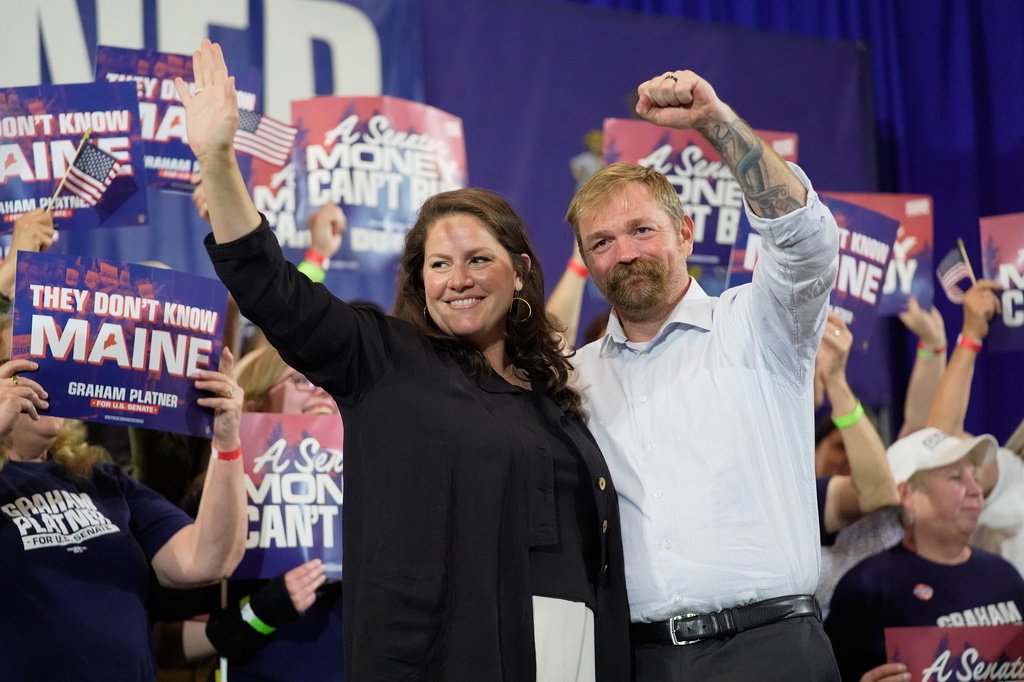
In a striking display of partisan tolerance, Democratic primary voters in Maine have selected Graham Platner as their Senate nominee, despite revelations about a Nazi tattoo he wore for nearly two decades, inappropriate relationships with women, and derogatory comments about Black Americans and military heroes. Platner, who describes his past as a dark period after military service, secured over 70 percent of the vote, effectively lowering the bar for acceptable political conduct.
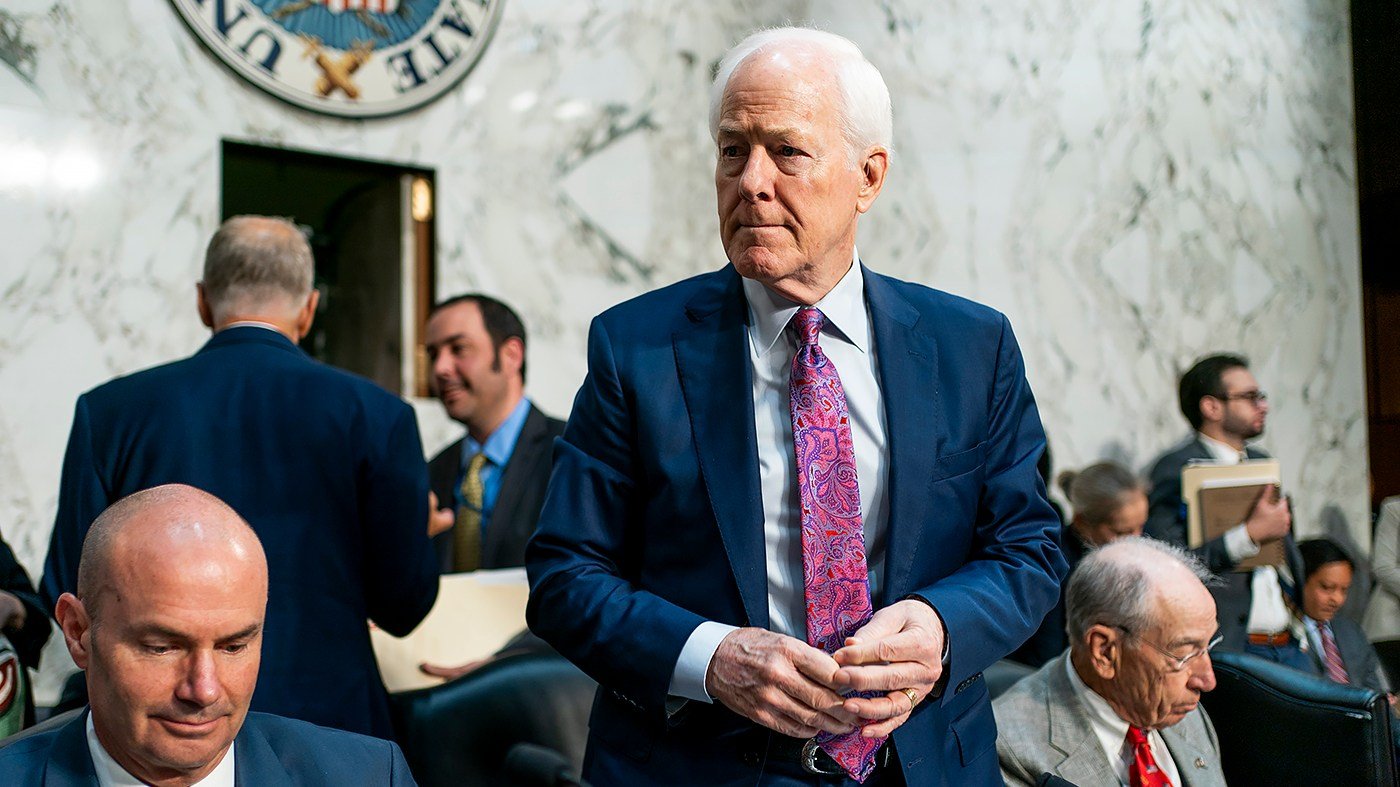
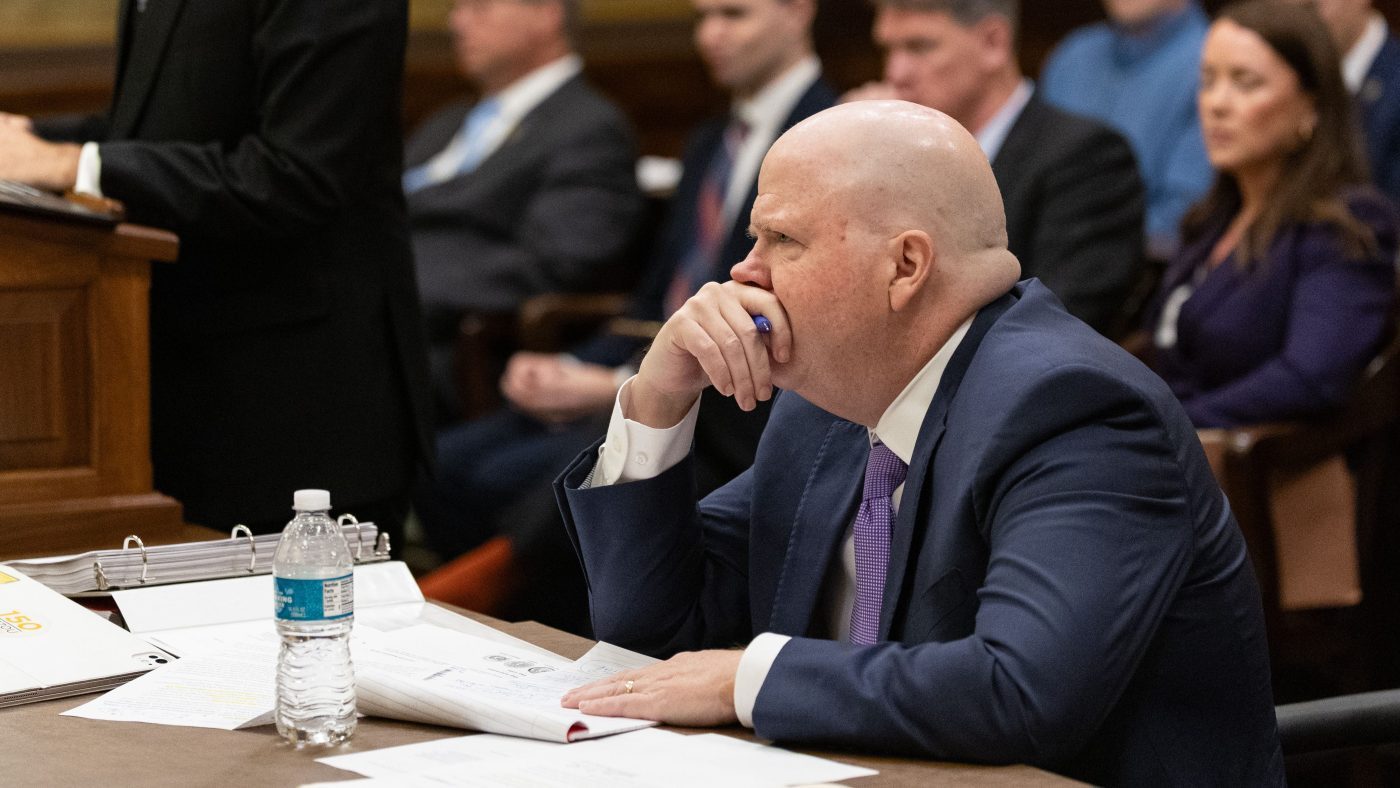
Meanwhile, Texas Republicans have chosen Attorney General Ken Paxton over incumbent Senator John Cornyn in their Senate primary. Paxton faces a litany of legal and ethical issues, including a felony securities fraud indictment, impeachment by the state House over bribery and abuse of office allegations, and multiple reports of infidelity. Yet GOP voters opted for Paxton, sidelining a more conventional conservative who voted with President Trump 99 percent of the time.

Hypocrisy Across the Aisle
If Platner were a Republican, Democrats would likely label him a Nazi, a misogynist, and a racist, filling cable news panels with condemnations of his unfitness. But because he carries a D next to his name, many have rationalized his past. Similarly, Republicans who would denounce a Democrat with Paxton's baggage have embraced him as a fighter for their cause. This double standard underscores a broader erosion of political accountability.
As New York Times columnist David French noted, Trump accelerated this trend by proving that voters will overlook almost anything if a candidate seems willing to fight the other side. French wrote, "By lowering the bar of acceptable behavior below the floor of normal human decency, he's made a mockery of the idea that character matters in politics. What value is there in being a virtuous loser?"
Voters Share the Blame
Politicians respond to incentives, and voters are rewarding misconduct. Integrity, honesty, and decency have become optional, replaced by a singular focus on defeating opponents. This dynamic is not limited to one party; it is an American political problem. In the Watergate era, prosecutors coined the term "un-indicted co-conspirator." Today, that label fits the electorate, which tolerates and even celebrates the behavior it claims to despise.
The GOP has already weaponized Platner's scandals to maintain Senate control, as seen in recent campaign ads. Meanwhile, the California primary offered a contrasting signal, with voters prioritizing competence over identity. But in Maine and Texas, the message was clear: character no longer disqualifies.
As the famous line from Pogo goes, "We have met the enemy, and he is us." Voters have met the politicians they deserve, and the cycle of rewarding bad behavior continues.