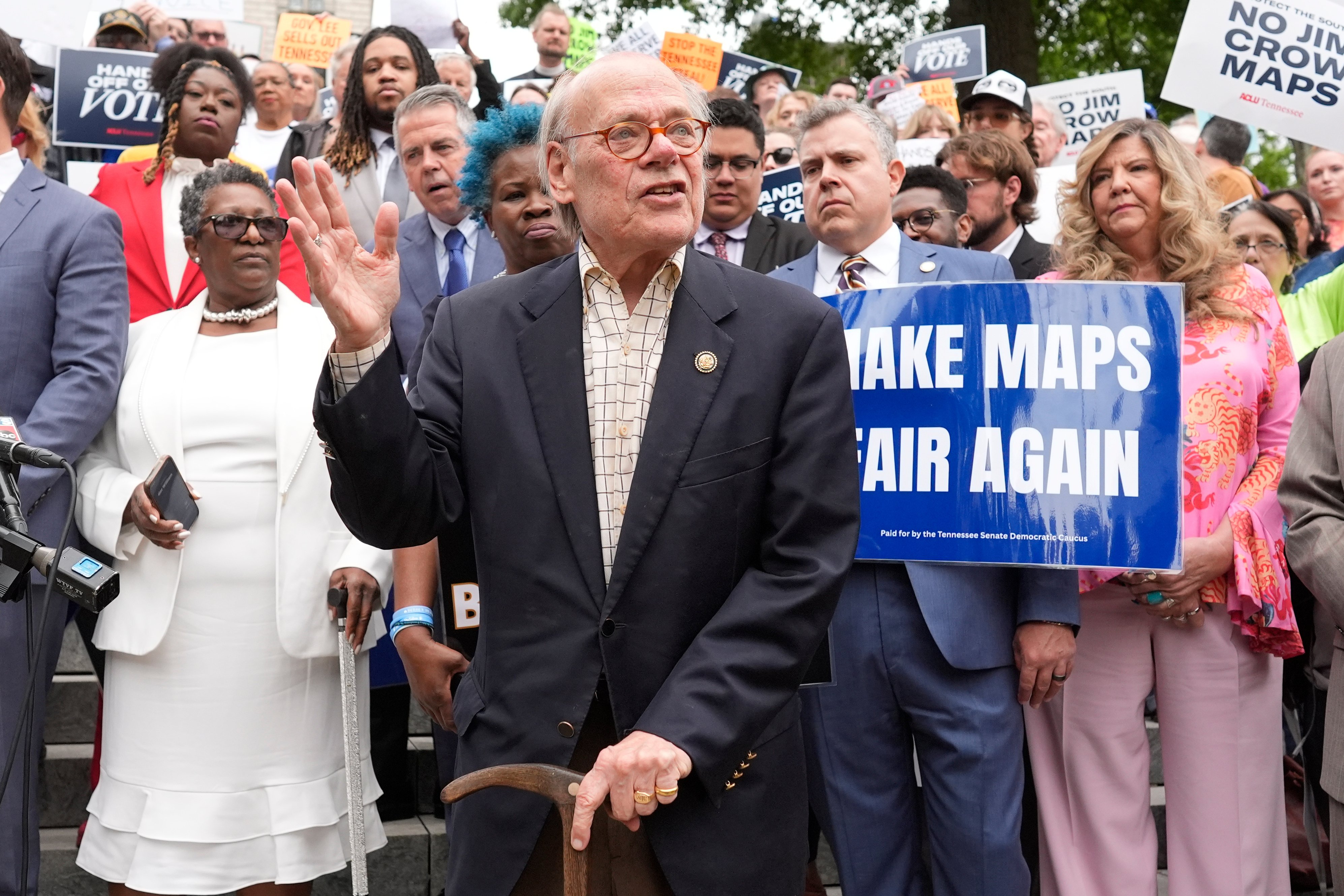
The battle for control of the House is escalating into a full-blown remapping war, with state legislators carving districts to lock in partisan advantages before a single ballot is cast. It started when the president pressed Texas to redraw its map to boost Republican seats in the 2026 midterms. California responded in kind, giving Democrats a comparable number of new seats. Virginians voted for a redraw that would have favored Democrats, but the state Supreme Court nullified the result. Florida then followed with a new map to help Republicans. Several other states are now redrawing or planning to redraw their maps for partisan gain.
As one state adds seats for its party, another takes them away. The likely outcome is a modest Republican edge in the House. But the deeper problem is that representation is no longer decided on Election Day—it is predetermined by state legislators who control the map-drawing process. Voters become pawns in a high-stakes war for control of Washington.
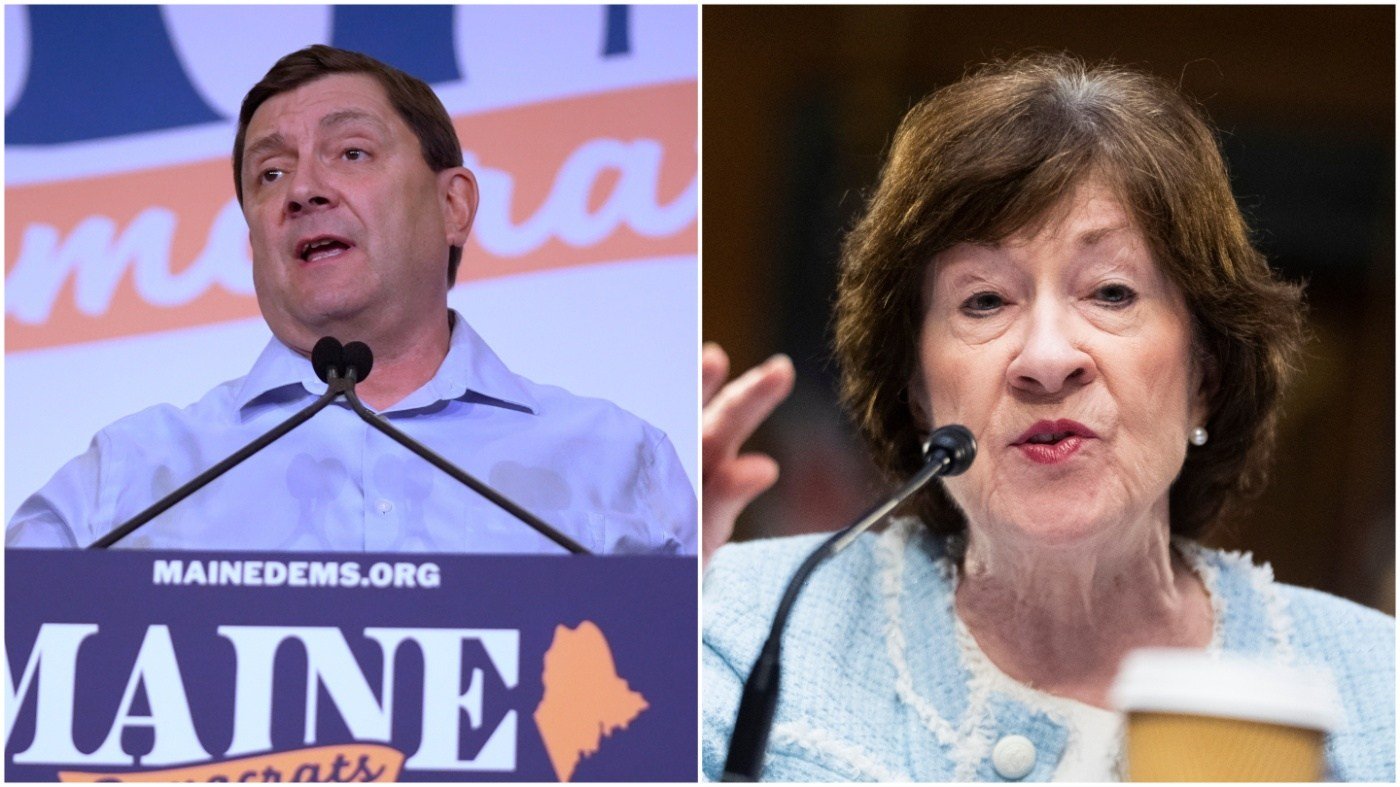
Holding a House majority means more than nicer offices. It means controlling the Speaker’s gavel and committee chairmanships that write laws and direct taxpayer dollars. The 2026 midterms are especially critical: if Republicans lose their majority, the president will face more constraints. The 119th Congress has largely abdicated its responsibility to check the executive branch. If Democrats retake the House, that will end on Jan. 3, 2027, when the 120th Congress convenes.
The damage from this remapping chaos will stretch into the 2028 and 2030 elections. After that, apportionment will reallocate seats based on the next census. States like Texas and North Carolina are poised to gain seats, while California and New York are likely to lose them. With the House margin so slim, apportionment will give Republicans a structural advantage that Democrats cannot overcome by gerrymandering their own states. A Supreme Court ruling on the Voting Rights Act will further complicate matters.
Extreme gerrymandering always produces winners—the parties—and losers—the voters. It marginalizes the will of the people by minimizing competitive districts. Packing voters with the same political lean means the only real contest happens in primaries. In this year’s midterms, only 43 of 435 House seats are expected to be battlegrounds, down from 52 in 2024. Computational redistricting has made it possible to group census blocks with partisan precision. For example, Illinois’s 13th District was carved out of the 15th to give Democrats an extra seat in a Republican-leaning area. Similarly, Texas’s 32nd District snakes around Dallas to capture Republican-leaning voters at every turn.
To overcome gerrymandering headwinds, voters must work hard. One method is to contaminate the data that fuels future gerrymandering. In districts where a party’s candidate is certain to lose by 15 points or more, voters can choose not to vote for that candidate. By obfuscating voting data, they make future gerrymandering more difficult. They can also uniformly register for the majority party, even if they don’t align with it, allowing them to vote in primaries and influence who represents them. Voting data is the oil that powers the gerrymandering engine; if the data is tainted, even the best algorithms become ineffective.
Of course, the best solution is to eliminate congressional districts altogether and use the statewide popular vote to apportion House seats. Each party would put forward a slate of candidates, and voters would vote for a party, not a specific candidate. The proportion of the popular vote would determine each party’s number of representatives, making all members at-large. This radical change would require a constitutional amendment.
Given that such an amendment would need to be passed by the very politicians who benefit from gerrymandering, its likelihood is extremely low. But it demonstrates that solutions exist. Such reforms would restore power to voters and take it away from politicians—a novel concept in today’s partisan environment.