The nation is caught in a stark contradiction. On one hand, a wave of software outages—from the FAA's nationwide ground stop to disruptions at Microsoft, Apple, and JP Morgan—has left many Americans bracing for a technological meltdown. On the other, investors are pouring record sums into Anthropic's blockbuster IPO, pushing the AI firm's valuation to a staggering $2 trillion. The split-screen is jarring: fear at the kitchen table, euphoria on Wall Street.
This divide isn't accidental. Politics has deepened it. While legitimate concerns about AI's rapid evolution exist—job displacement, biosecurity risks, loss of human control—Democratic leaders and allied activists have amplified them for electoral advantage. The result: a public more anxious about AI than the evidence warrants, and a policy debate hijacked by partisanship.
China's role adds another layer. Beijing, desperate to win the AI race, has a vested interest in slowing U.S. progress. Groups sympathetic to China have stoked fears about data centers and AI, fueling local opposition that has blocked or delayed critical infrastructure. Communities worry about electricity costs and water use, but the backlash is wildly disproportionate. Polls show Americans would rather live near a nuclear plant than a data center—an absurdity that reflects manufactured hysteria, not rational risk assessment.
Rather than push sensible fixes—like requiring developers to generate their own power or conserve water—Democrats chose to weaponize the issue. The motivation is clear: Big Tech's money has shifted toward Republicans. CEOs like Tim Cook, Sam Altman, Elon Musk, and Sundar Pichai attended Trump's inauguration; Mark Zuckerberg and Jeff Bezos each gave $1 million to the fund. Democrats, facing a cash crunch, responded by railing against "oligarchs" and casting AI as a threat to workers and families.
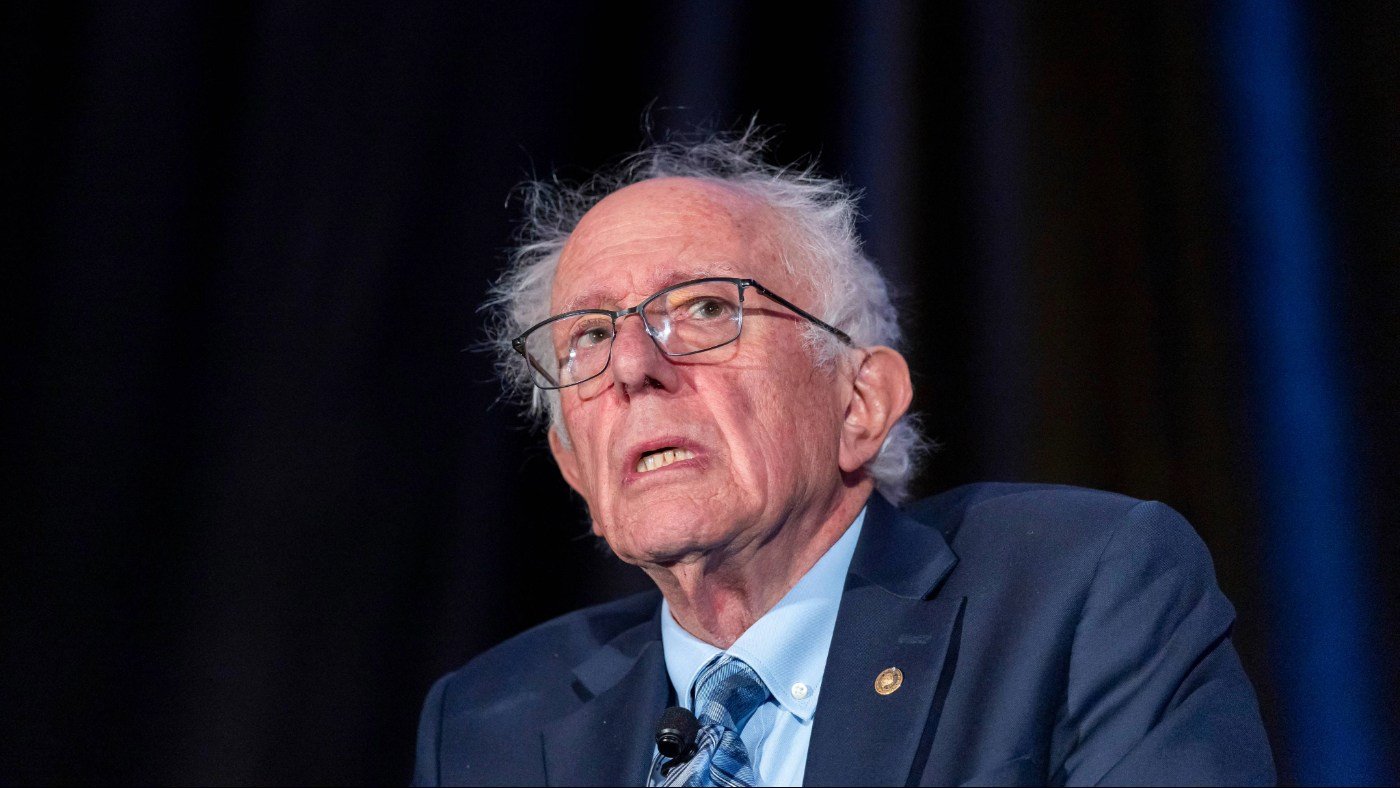
Sen. Chris Murphy (D-Conn.) told The Bulwark in December that voters would increasingly back candidates who help "manage the potential coming disaster as AI poisons our kids and destroys all of our jobs." Sen. Bernie Sanders (I-Vt.) wrote to AI executives urging a halt to new model development, citing risks of bioweapons that could "kill tens of millions." He later joined Rep. Greg Casar (D-Texas) to introduce legislation banning systems "humanity cannot fully control."
This doom-laden messaging worked. Polls show rising public fear that AI will do "more harm than good," and Democrats rode that anxiety to a historic midterm victory. But the strategy has left a lasting scar: a nation primed to see every glitch as a catastrophe. The recent outages—dismissed by officials as bugs or glitches—have only fed that narrative. As one cybersecurity expert noted, the outages may actually signal progress in finding vulnerabilities before attackers exploit them, but that nuance is lost on a frightened public.
The irony is that AI offers enormous benefits—curing diseases, boosting productivity, and filling labor gaps as Boomers retire. Yet Democrats, ever opportunistic, are likely to soften their stance as tech leaders shift allegiances. The question is whether the political damage is already done. Recent outages show progress in finding flaws, but the fear-mongering has set a tone that will be hard to reverse. The FAA chief took blame, and Democrats are split on other fronts, but on AI, they've sown seeds of distrust that will outlast any political cycle.