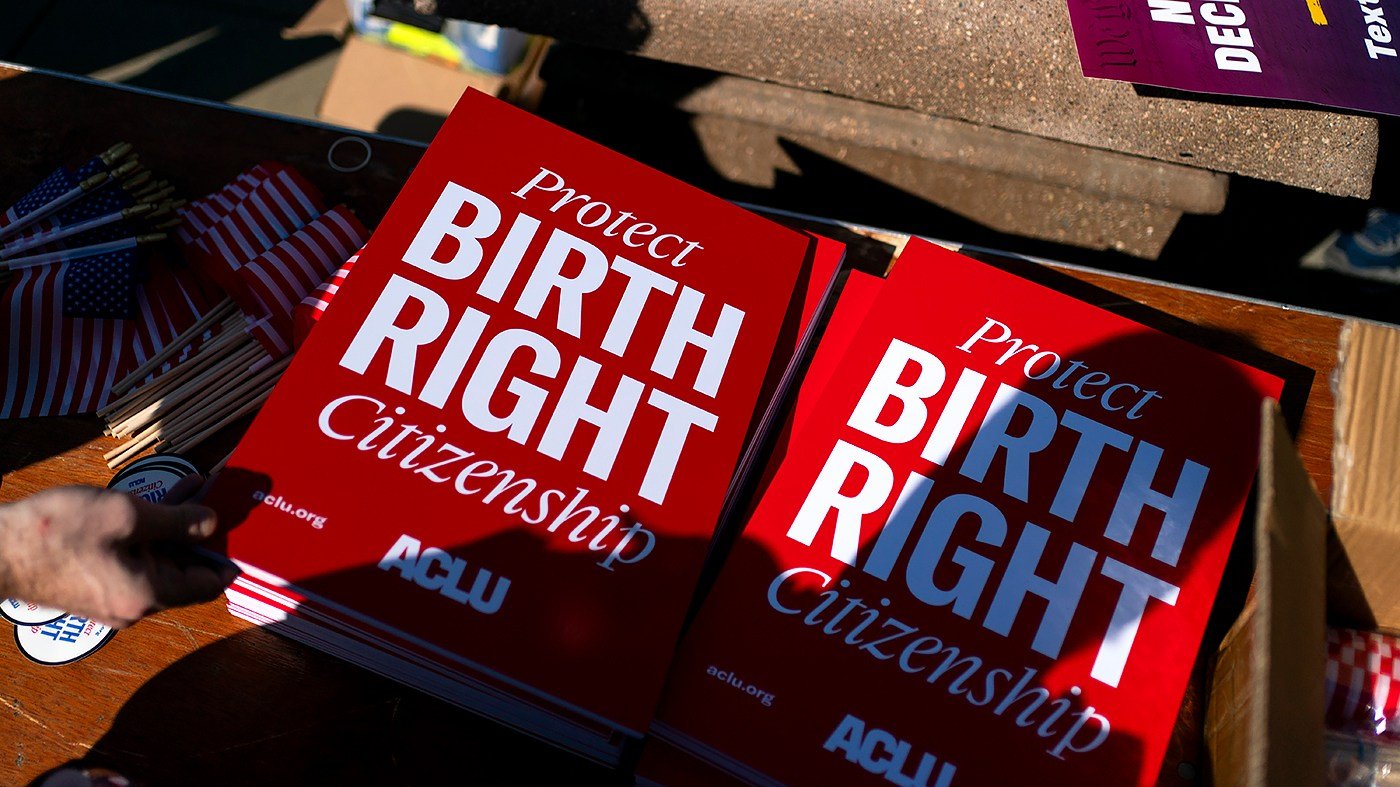
The House Judiciary Committee's immigration subcommittee is set to hold a hearing Wednesday afternoon to dissect the Supreme Court's recent ruling on birthright citizenship and to explore possible legislative avenues in response. The session, scheduled for 2 p.m. EDT, comes after the high court's June decision that affirmed the 14th Amendment's guarantee of citizenship to nearly all individuals born on U.S. soil.
The ruling, which cited the constitutional principle of jus soli—Latin for "right of the soil"—was a major setback for opponents of birthright citizenship. In the wake of that decision, President Trump signed new executive orders aimed at curtailing the practice and cracking down on so-called "birth tourism," where pregnant women travel to the United States specifically to give birth and secure citizenship for their children.
Lawmakers on the panel are expected to weigh whether Congress has the authority to alter birthright citizenship through legislation, despite the Supreme Court's clear reading of the Constitution. Legal scholars and immigration experts are likely to testify on the scope of the 14th Amendment and the limits of congressional power in this area.
The hearing follows a related House panel action targeting birth tourism after the Supreme Court setback, signaling a continued legislative push on the issue. Supporters of stricter immigration policies argue that the current interpretation of the 14th Amendment encourages illegal immigration and undermines the rule of law, while defenders contend that birthright citizenship is a fundamental American principle that should not be weakened.
This latest congressional scrutiny comes amid a broader expansion of the Supreme Court's emergency docket, as lower court rulings on contentious issues—including immigration—have prompted rapid appeals. The Court's June decision on birthright citizenship was part of that trend, and lawmakers are now grappling with how to respond within the bounds of the Constitution.
President Trump's executive orders, which were issued shortly after the ruling, have already faced legal challenges. Critics argue that the orders overstep executive authority and conflict with the Supreme Court's interpretation. The administration, however, maintains that the orders are necessary to enforce existing immigration laws and to prevent abuse of the system.
The hearing is also likely to touch on the broader implications of birthright citizenship for national policy, including its impact on social services, education, and the labor market. Some lawmakers may push for a constitutional amendment to change the rule, though such an effort would require a two-thirds majority in both chambers of Congress and ratification by three-fourths of the states—a steep hurdle.
As the panel convenes, the political stakes are high. The issue has become a flashpoint in the ongoing debate over immigration reform, with both parties using it to mobilize their bases ahead of the midterm elections. The outcome of Wednesday's hearing could set the stage for future legislative battles, even if the likelihood of immediate change remains low.
Observers note that the Supreme Court's ruling was a definitive statement on the Constitution, but it has not ended the political controversy. The hearing represents the latest attempt by lawmakers to find a path forward, whether through new legislation, oversight of executive actions, or continued legal challenges.