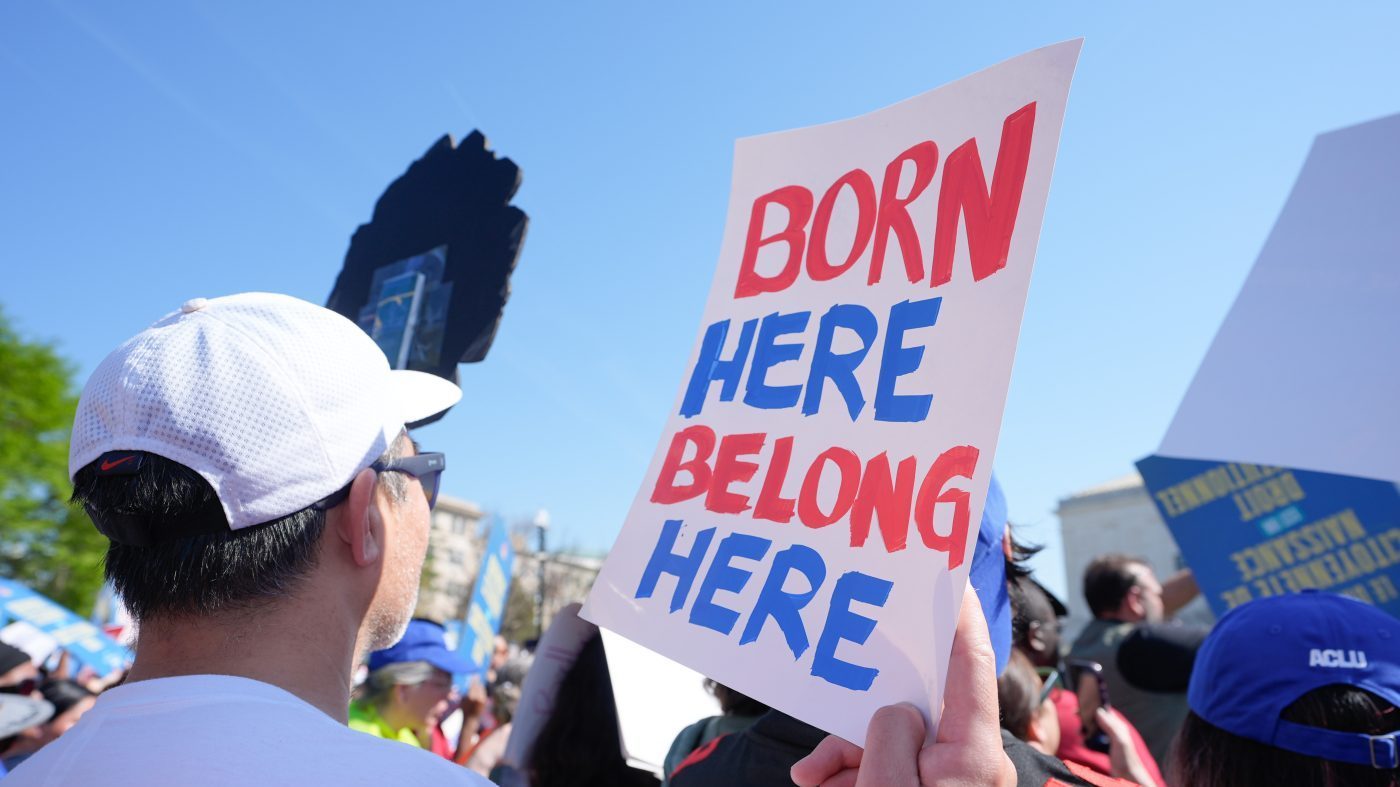
The House Oversight and Reform Committee is set to convene Tuesday morning to examine the practice of birth tourism, where foreign nationals travel to the United States to give birth and secure citizenship for their children. The hearing comes months after the Supreme Court rejected President Trump's executive action aimed at curtailing birthright citizenship, a decision that has left the administration searching for alternative measures.
Focus on marketing firms
Lawmakers are expected to scrutinize companies that advertise maternity packages to foreign women, offering everything from accommodation to medical care, often for tens of thousands of dollars. The committee's press release highlights concerns that these firms are exploiting a legal loophole, with some Republicans arguing that the practice poses a national security risk by allowing foreign nationals to gain a foothold in the country under the guise of tourism.
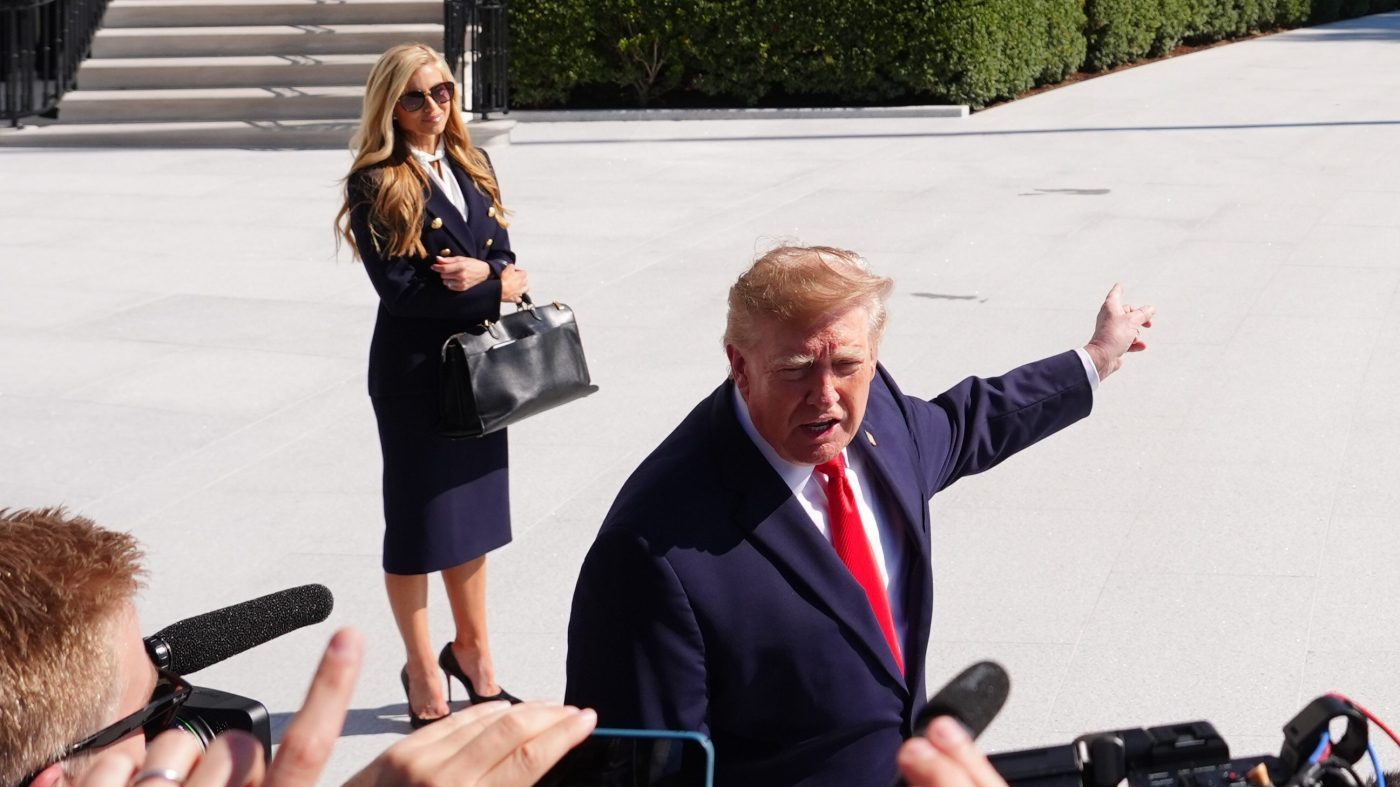
Tuesday's hearing is part of a broader Republican push to tighten immigration rules, which has gained renewed momentum following the Supreme Court's ruling. The administration has signaled it will continue to explore other avenues, including an executive order signed by the president last month that aims to restrict the issuance of visas to pregnant women suspected of planning to give birth in the U.S.
Policy and legal landscape
The legal battle over birthright citizenship has been contentious. The 14th Amendment guarantees citizenship to all persons born on U.S. soil, but critics argue that the original intent did not cover children of non-citizens. The Supreme Court's recent decision, however, underscored the constitutional protections, leaving lawmakers to consider legislative options.
This hearing also touches on reproductive tourism more broadly, as some lawmakers argue that the U.S. should address all forms of medical and maternity tourism, not just those tied to citizenship. The debate is likely to intersect with ongoing discussions about immigration court backlogs and the administration's efforts to accelerate deportation proceedings.
Witnesses and expectations
The committee has not yet released the witness list, but it is expected to include representatives from immigration enforcement agencies, legal experts, and possibly individuals with firsthand knowledge of the birth tourism industry. Republicans on the panel are likely to press for stricter enforcement and new legislation, while Democrats may caution against overreach and focus on the rights of pregnant women.
Observers note that the hearing could have implications for the administration's broader immigration agenda, which has faced repeated legal challenges. The Supreme Court's ruling was a setback, but the executive order signed last month is already being challenged in federal court, setting the stage for another legal showdown.
The hearing is scheduled to begin at 10:30 a.m. EDT and will be streamed live. The outcome of these deliberations could shape the future of birthright citizenship and the rules governing international visitors seeking medical care in the U.S.