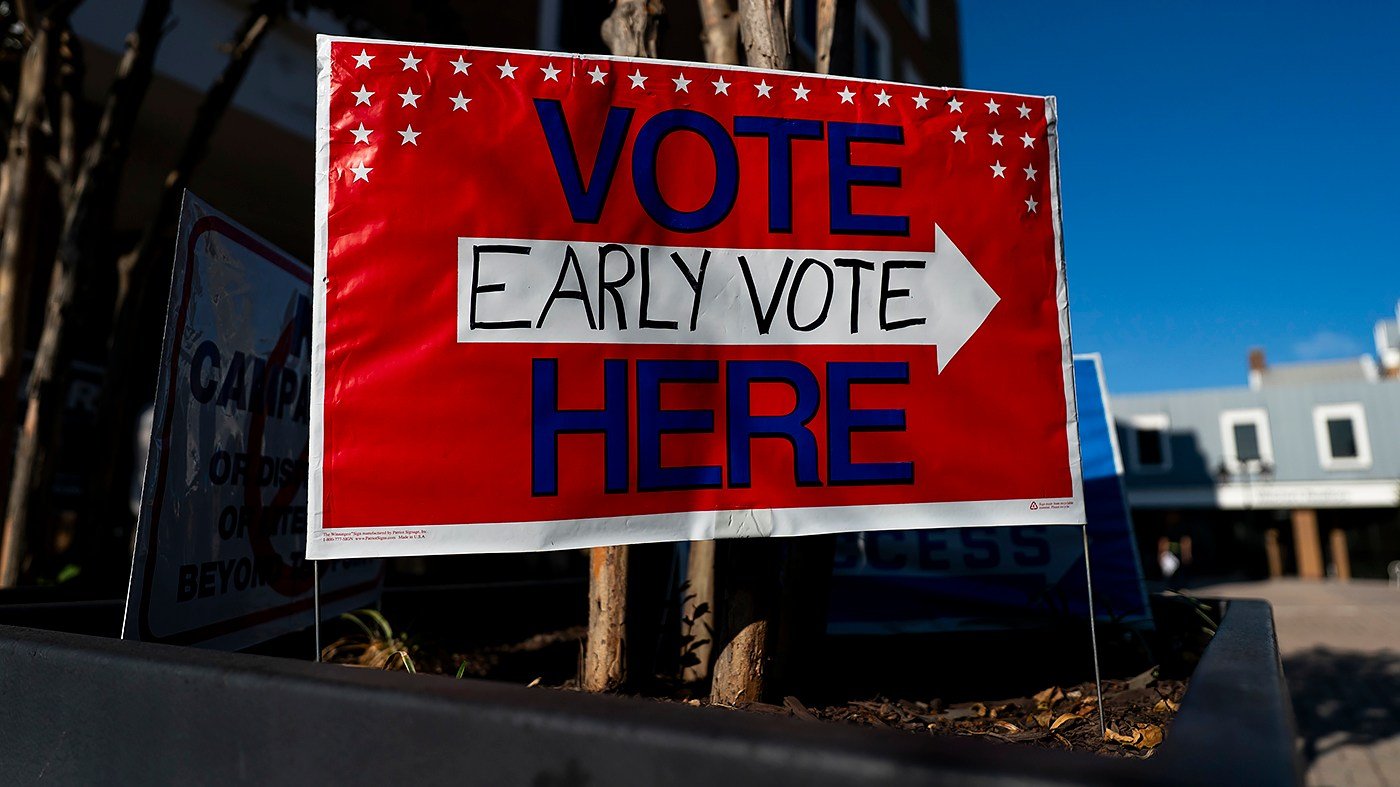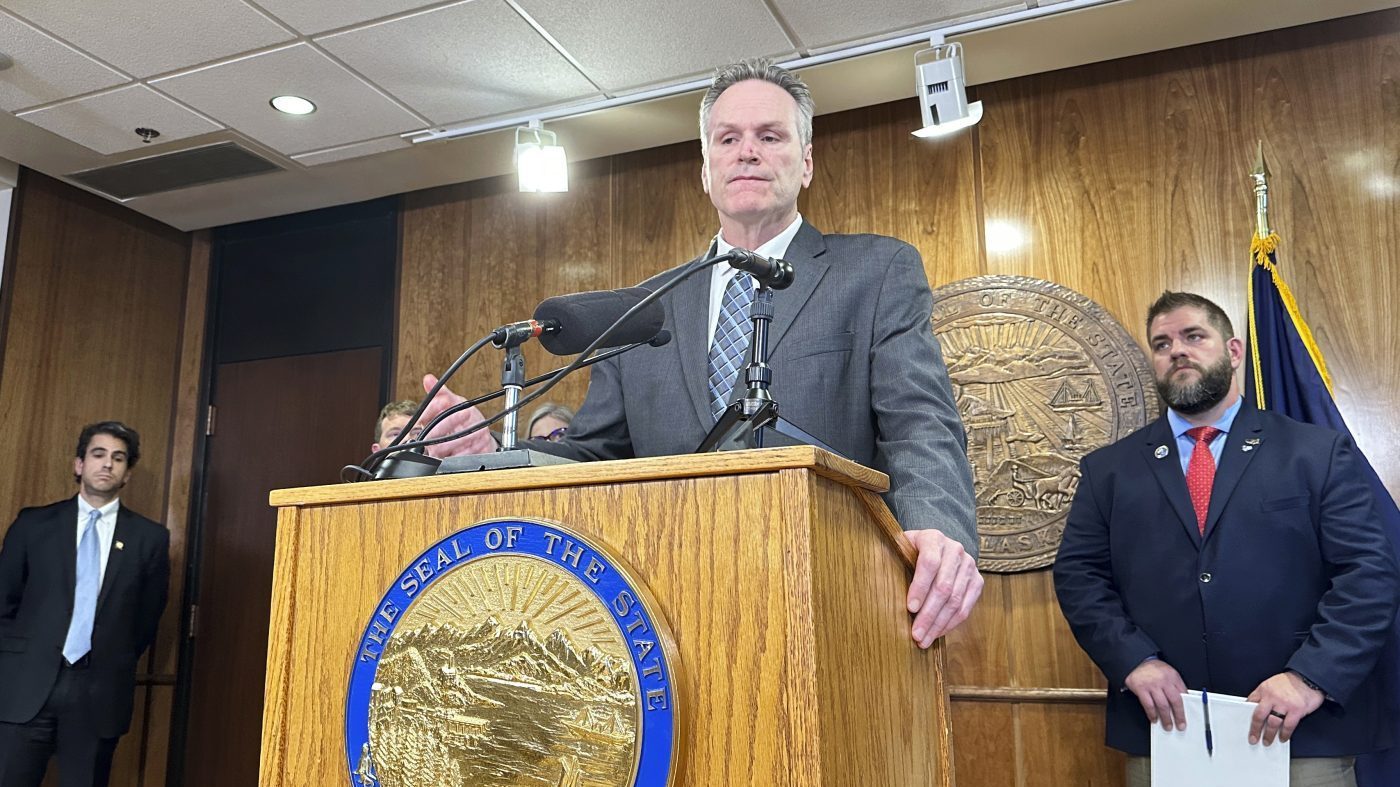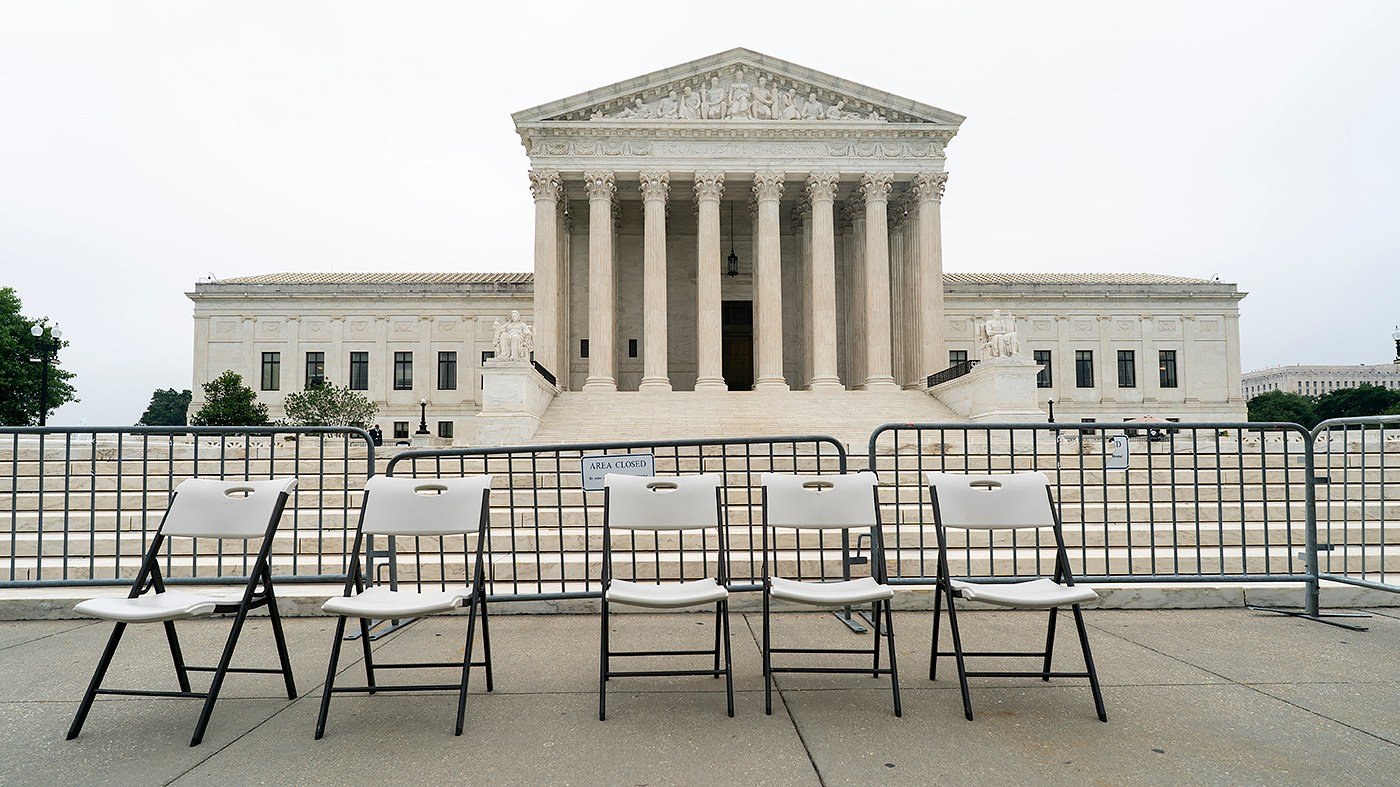
The Trump administration found itself back in familiar territory this week, facing another sweeping injunction from U.S. District Judge Indira Talwani in Massachusetts. The latest clash involves the administration's rule requiring the U.S. Postal Service to verify citizenship before processing mail-in ballots—a policy the Supreme Court had just allowed to proceed on its emergency docket, lifting Talwani's earlier block.
The merits of the mail-in voting dispute are genuinely contested. The Constitution grants states primary authority over election mechanics, but the Postal Service is a federal agency, and Washington has a legitimate role in federal election funding and regulation. The administration insists it is not prohibiting mail-in voting, only imposing what it calls "modest informational requirements" to ensure non-citizens don't vote—a safeguard it argues doesn't displace any state law or prevent any eligible voter from casting a ballot by mail.
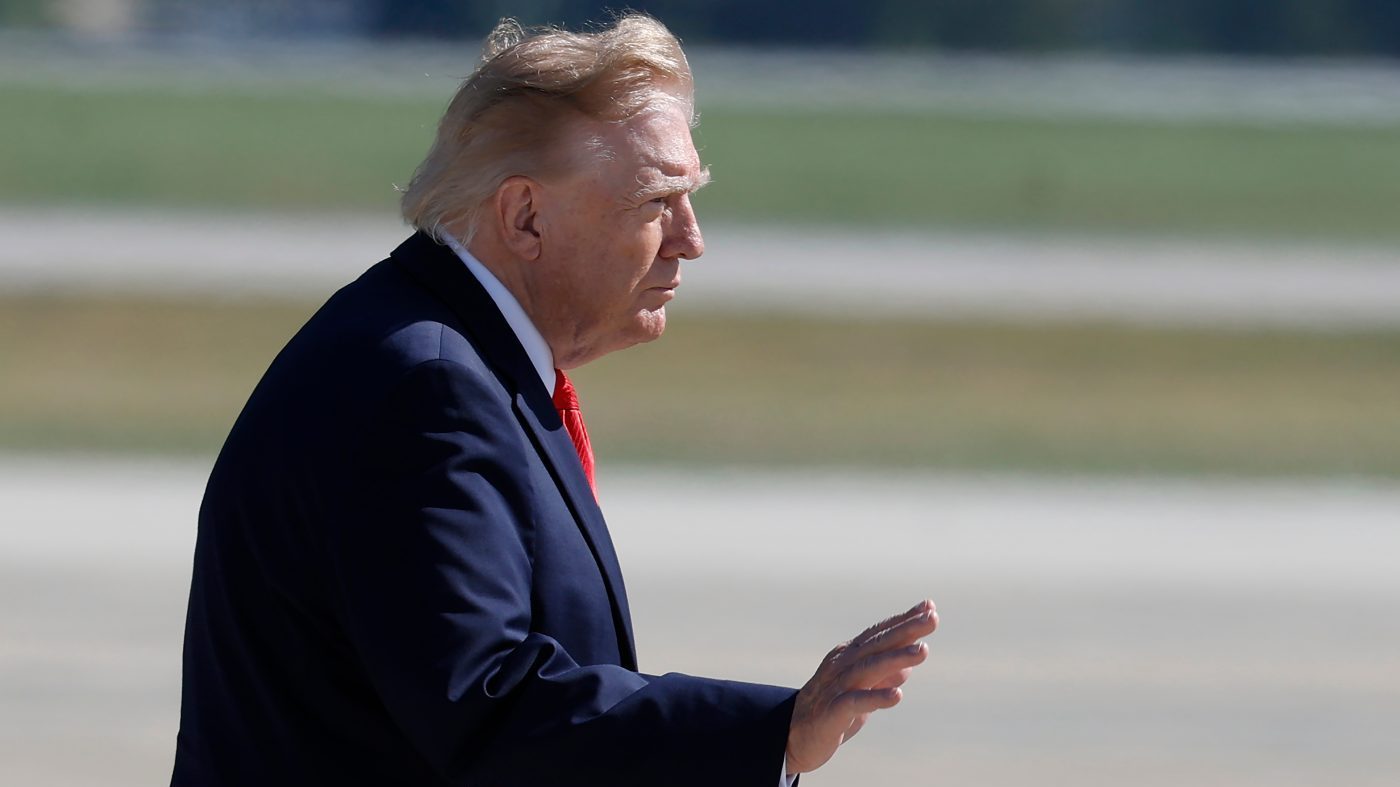
The real controversy, however, isn't Talwani's legal reasoning. It's the pattern. She has become a favored destination for litigants seeking to halt Trump policies across immigration, elections, government downsizing, and foreign aid—a practice critics call forum shopping. Along with her Boston colleague Judge Brian Murphy, Talwani has issued a string of quick-fire injunctions, many of which were later reversed on appeal.
Her Aug. 24 reversal on the mail-in ballot case is a case in point. The Supreme Court found her injunction premature, issued before the administration had even finalized a rule, and lacking a concrete injury. Critics say she was ready to rule against the policy from the start, without waiting for the legal process to play out.
This isn't an isolated incident. Talwani previously blocked the termination of humanitarian parole for immigrants from Cuba, Haiti, Nicaragua, and Venezuela—a decision overturned on appeal. She also halted the administration's effort to defund Planned Parenthood, which was likewise set aside. Each time, the Supreme Court or an appellate panel stepped in to undo her orders.
These reversals have bolstered the case for the Supreme Court's expanded use of the emergency docket—often criticized as the "shadow docket" by liberal commentators. While legal scholars on the left decry the fast-track process as undermining deliberation, judges like Talwani have demonstrated why the Court feels compelled to intervene quickly. When a single district judge can freeze a national policy for months or years, the emergency docket becomes a necessary counterweight.
Leaked internal memoranda from the Court, published by the New York Times, shed light on the justices' thinking. In one instance involving EPA regulations on electric utilities, Chief Justice John Roberts noted that the agency was using ongoing litigation to force compliance with rules the Court had already rejected in Michigan v. EPA. "The absence of stay allowed the agency to effectively implement an important program we held to be contrary to law," Roberts wrote.
The dynamic is reminiscent of the national injunctions that plagued the first Trump administration. Litigants would file in friendly courts in Washington, Boston, or other blue strongholds, securing orders that would take years to litigate—effectively allowing individual judges to impose their own policy preferences or stall the president's agenda until an election passed. As the adage goes, justice delayed is justice denied.
With midterms looming, challengers may still succeed in delaying the mail-in ballot rule until after November. But Talwani's conduct has reinforced the Roberts Court's skepticism of runaway injunctions. As the judge halts USPS mail ballot rule again, the pattern is clear: the emergency docket is here to stay, and judges who overreach only accelerate its use.
The Supreme Court's willingness to intervene quickly has also been evident in other areas, from blocking HUD's fair housing overhaul to halting redistricting measures. Each case underscores the tension between judicial independence and the need for consistent application of the law.