Washington's definition of progress has long been tied to new programs, new regulations, and new federal offices. But House Republicans argue that the most consequential work of the 119th Congress was reversing that trend—rolling back federal authority and returning power to the American people.
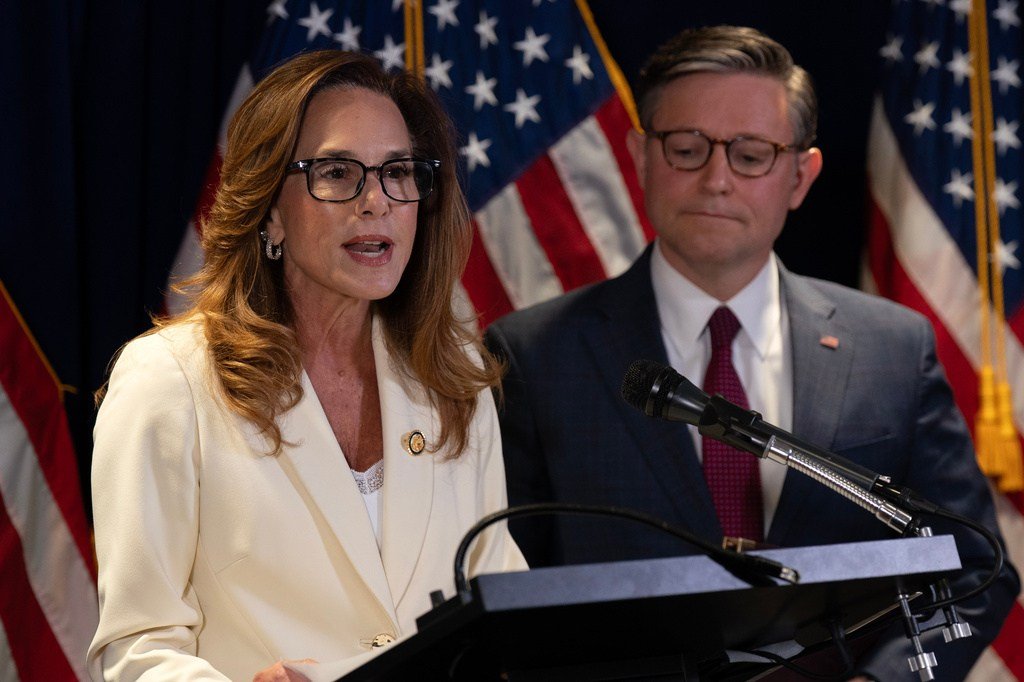
In an op-ed, House Republican Conference Chairwoman Lisa McClain (R-MI) made the case that the GOP majority used the Congressional Review Act (CRA) to overturn 23 federal rules, the most in history and more than all previous Congresses combined. The CRA, once a little-used oversight tool, has become a powerful mechanism for permanently stripping regulations from federal agencies.
McClain framed this as a reversal of the "ratchet" of government expansion. "Washington is accustomed to ratchets that turn in one direction," she wrote. "We turned the ratchet backward."
The GOP also points to tax policy as a central achievement. By making the 2017 tax cuts permanent, cutting taxes on tips and overtime, and providing relief for seniors, the party claims Americans have already claimed more than $82 billion in individual tax relief. Over the next decade, the changes are projected to return $4.6 trillion to families and businesses while cutting projected federal spending by roughly $1.1 trillion.
On immigration, McClain touted the administration's border enforcement record, asserting that "not a single illegal immigrant has been released into the country in 16 months." She argued that securing the border is a fundamental government responsibility, contrasting it with Democratic policies she characterized as "lawlessness."
The broader theme is one of limited government—not weak government, but one that does fewer things and does them well. McClain cited regulatory relief for small businesses, expanded domestic energy production, and streamlined permitting as examples of clearing barriers to growth.
This approach has resonance with voters who are skeptical of federal overreach. A recent Gallup poll shows public confidence in the federal government at a new low, a sentiment that Republicans are tapping into. However, the GOP's deregulatory push, particularly in areas like artificial intelligence, has sparked some voter backlash, suggesting a delicate balance between curbing bureaucracy and addressing new technological challenges.
McClain concluded by rejecting the notion that legislative output alone defines success. "Washington has enough monuments to what government can build," she wrote. "We spent this Congress creating room for what Americans can build instead."
The 119th Congress passed over 900 pieces of legislation, the second most in U.S. history, but for McClain, the real legacy is the shift in power dynamics between Washington and the citizenry.