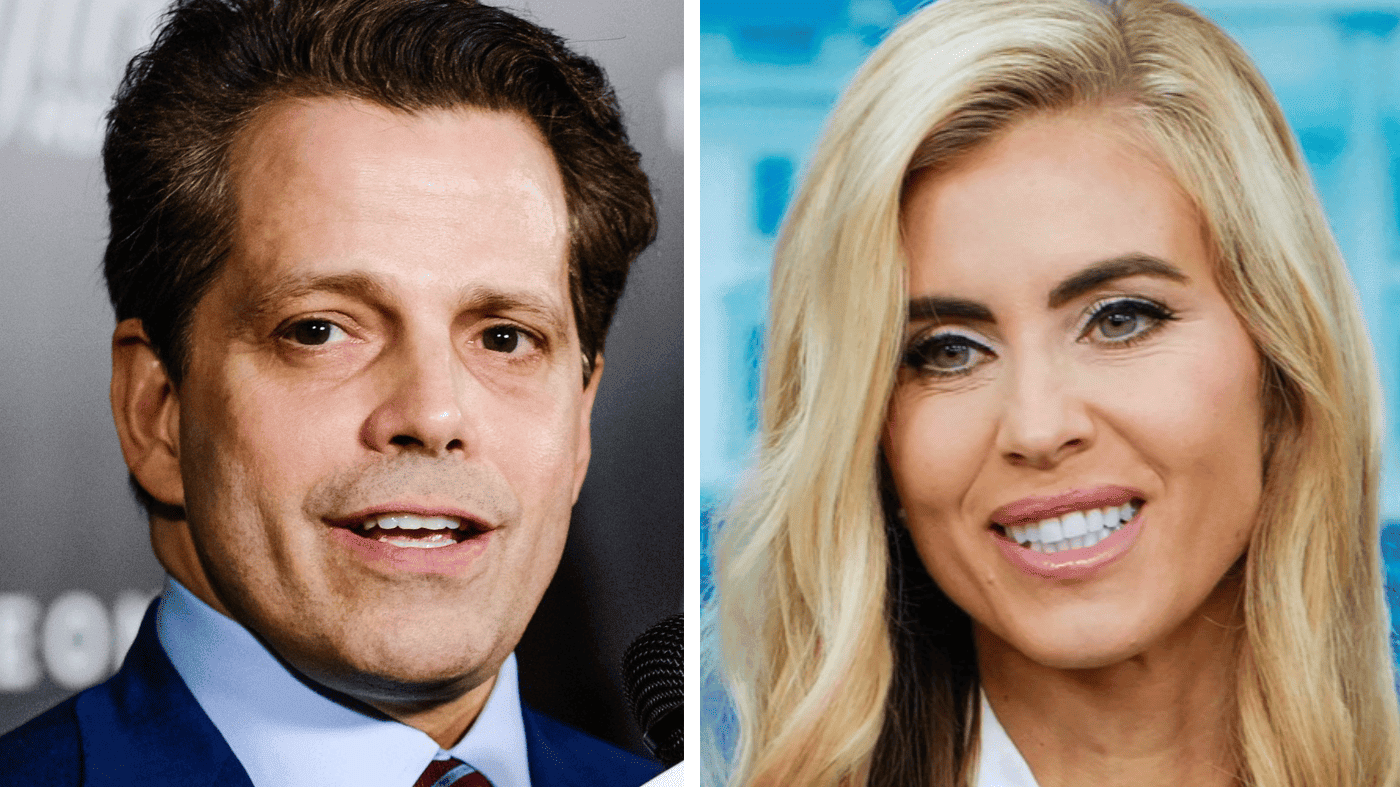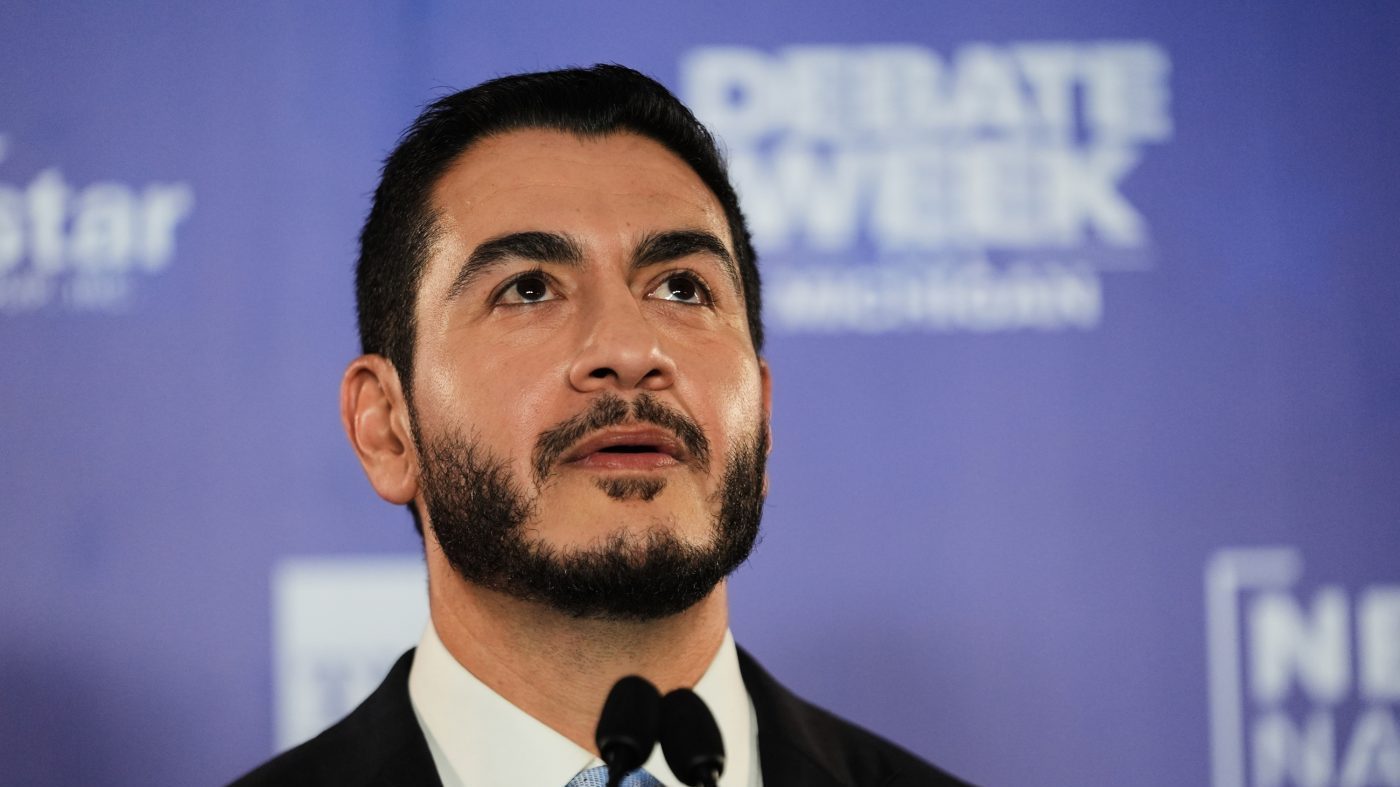
Sen. Adam Schiff (D-Calif.), a frequent user of chatbots, argues that Republicans are misreading the public mood on artificial intelligence. Schiff told me that many Americans feel the AI revolution is "something that is happening to them, not for them." He added, "AI industry leaders themselves have been clear about the need for federal safeguards. Unenforceable voluntary commitments and self-regulation will not cut it."
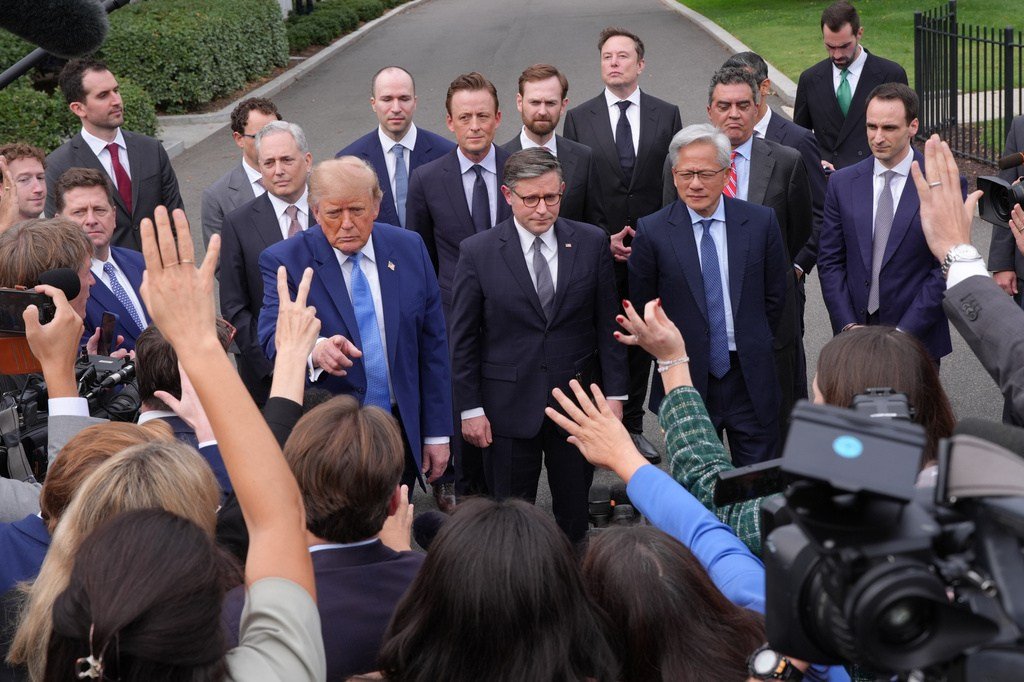
The contrast with the White House was stark just weeks earlier, when President Trump hosted a gathering of tech executives to sign an AI safety pact. Trump hailed the agreement as "morally binding" and emphasized that the industry would "self-police" and "self-regulate" rather than face federal oversight. The administration's approach bets that Americans will embrace AI's rapid transformation if framed as a matter of national greatness.
That bet is already showing cracks. Trump's rhetoric has shifted from earlier this year, when he mused about a "partnership with the American public" on AI, echoing progressive ideas. That shift has left Republican candidates in competitive races scrambling to address voter anxieties about data centers and the pace of AI deployment.
Sen. Darline Graham (R-S.C.) defended deregulation in a recent debate, warning that a proposed two-year moratorium on AI development would allow China to surge ahead. Her opponent had dubbed her "Data Center Darline," reflecting the new political liability. Meanwhile, Wisconsin Republican Tom Tiffany, who once championed data centers, released a video after the primary distancing himself from his opponent "Data Center David Crowley." In Michigan, GOP Senate candidate Mike Rogers backed a yearlong moratorium on data center construction after a progressive Democrat became the nominee.
This tension is not lost on operatives. Saikat Chakrabarti, a progressive tech entrepreneur and former chief of staff to Rep. Alexandria Ocasio-Cortez, observed, "These Republicans who are responding to public sentiment and doing something about AI are the ones in competitive races. They're not getting orders from the top."
Chakrabarti sees an opening for Democrats, despite their own internal divisions. "The Schiff wing is saying we should do some regulation because I know we have to say we have to do some regulation," he said. "I think the Bernie wing is taking it the most seriously, but even that answer right now is let's pause and figure it out. Whoever has the answer to that next crisis is going to win 90 percent of the country in the next election."
Schiff is crafting legislation to rethink unemployment compensation and other safety nets, with a proposal expected in the coming months. He acknowledges the need for a robust federal response, not just voluntary industry commitments.
Texas Republican Senate candidate Ken Paxton, who faces ads attacking his data center stance, expressed frustration in private: "I've never been in a race where I felt less control over the campaign," he said. "Like, what issues are going to matter because it's all coming from DC. I don't control the message or what we're doing." Paxton and Texas Gov. Greg Abbott have both tightened their positions on data centers after earlier support.
The GOP's gamble is that winning the AI arms race will override public unease. But as Trump fatigue saps Republican enthusiasm, candidates are finding they cannot ignore the ground-level concerns. A recent AP-NORC poll shows 80% of voters want major change, and 86% say lawmakers are out of touch on costs. The AI debate may be the next flashpoint, as Republicans discover that voters want a say in their own future.