House Republicans are mounting significant resistance to a Department of Homeland Security funding framework emerging from the Senate, creating substantial obstacles to ending the record-long agency shutdown. The conflict centers on procedural power and policy priorities, with House conservatives rejecting what they view as Senate overreach while demanding a more aggressive use of reconciliation rules to fund immigration enforcement.
Procedural Standoff Escalates
Republican leadership, led by Speaker Mike Johnson, has endorsed a plan to use the reconciliation process—which bypasses Senate filibusters—to secure three years of funding specifically for Immigration and Customs Enforcement and Border Patrol. This "skinny" party-line bill represents a tactical concession, but has sparked immediate rebellion from the House Freedom Caucus and other conservatives who view the approach as insufficient and procedurally weak.
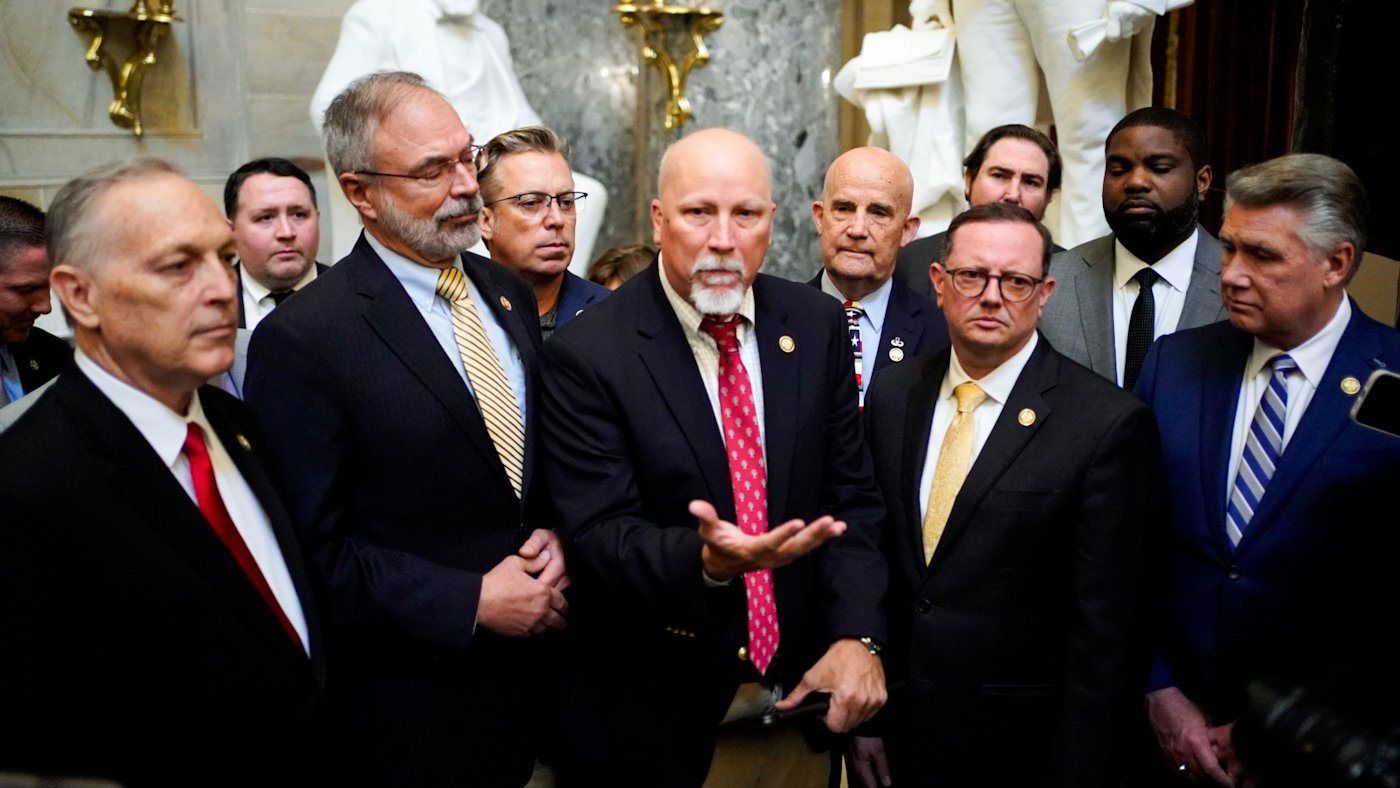
"The Senate doesn't get—they're not the only say in this," declared Representative Chip Roy of Texas, the policy chair of the House Freedom Caucus. "I would strongly recommend that they talk to all of us who have a vote—unless they want to go try to patch together votes with Democrats." This sentiment reflects broader frustration with what many House Republicans perceive as a pattern of Senate dominance in legislative negotiations.
Conservative Demands Complicate Strategy
Multiple factions within the House GOP are pushing conflicting demands that threaten to derail the Senate's timeline. Some members insist on funding the entire DHS through reconciliation rather than separating immigration enforcement, partly to penalize Democrats who have resisted funding without immigration reforms. Others want to add additional conservative priorities to the reconciliation package, skeptical that future opportunities will materialize.
Representative Eric Burlison of Missouri criticized the Senate's approach as "very short-sighted," calling a narrowly tailored bill both "pathetic" and "disappointing." He advocated for including healthcare reforms in the package, warning that "we are going to disappoint the American people" without more ambitious legislation. This internal dissent creates a mathematical problem for Speaker Johnson, who can afford to lose no more than one or two votes on any party-line measure.
Speaker's Precarious Position
Johnson finds himself navigating between Senate reality and House demands. While he has accepted his members' sequencing demands—requiring progress on the reconciliation bill before considering broader DHS funding—he faces pressure from conservatives who want to abandon the Senate framework entirely. The Speaker's shift to supporting the reconciliation approach came after former President Donald Trump endorsed it, highlighting the ongoing influence of external political forces.
Moderate voices within the conference express their own reservations. Representative Kevin Kiley, an independent who caucuses with Republicans, stated, "I think that generally appropriations should be done through the appropriations process. So, I'd be reluctant to encourage more of the process to be done through reconciliation." This procedural concern echoes broader GOP fractures that have complicated the party's legislative agenda.
Timeline and Political Implications
The Senate plans to vote on a budget blueprint next week, triggering a process that would then require House approval before further details are negotiated. Johnson indicated he expects the resolution to reach the House "by middle to end of next week," promising to "move it as expeditiously as possible." However, conservative objections could significantly delay this timeline as Republicans debate priorities and spending levels.
Representative Roy expressed skepticism about multiple reconciliation bills, stating, "I think we are likely only to be able to have one other bite at the apple." He urged colleagues to address defense spending and other priorities in a comprehensive DHS funding package rather than waiting for additional legislative vehicles that may never materialize. This urgency reflects growing concern about the approaching election season and the party's legislative record, reminiscent of recent criticism about the GOP's productivity while in the majority.
Broader Political Context
The DHS funding battle occurs against a backdrop of increasing political tension and policy disputes. The standoff reflects deeper disagreements about immigration enforcement priorities and the proper use of congressional procedures. As the shutdown continues, pressure mounts on Republicans to demonstrate governing competence while advancing conservative policy goals.
This internal Republican conflict over legislative strategy mirrors other contentious debates within the party, from investigations to economic policy. The outcome will test Speaker Johnson's ability to manage his fractious conference while addressing critical government funding needs before voters assess the party's performance in upcoming elections.