House Republicans on Tuesday advanced a nearly $70 billion budget reconciliation package aimed at funding Immigration and Customs Enforcement and Border Patrol, overcoming a last-minute revolt from far-right members who demanded stricter Trump-era enforcement measures.
The lower chamber approved the rule by a razor-thin 213-211 margin, setting the stage for debate and a final vote on the GOP measure. The procedural vote briefly appeared in jeopardy as Reps. Chip Roy of Texas, policy chair of the House Freedom Caucus, and Tim Burchett of Tennessee voted no. Several other hardliners, including members of the Freedom Caucus, initially withheld their votes.
Those members huddled with Speaker Mike Johnson and Majority Leader Steve Scalise, with Roy visibly frustrated as he spoke with colleagues. According to a source familiar with the discussions, many in the group were holding out for commitments to codify additional Trump-era border policies before they would back the bill. Ultimately, Roy and Burchett flipped their votes, and the remaining hardliners fell in line.
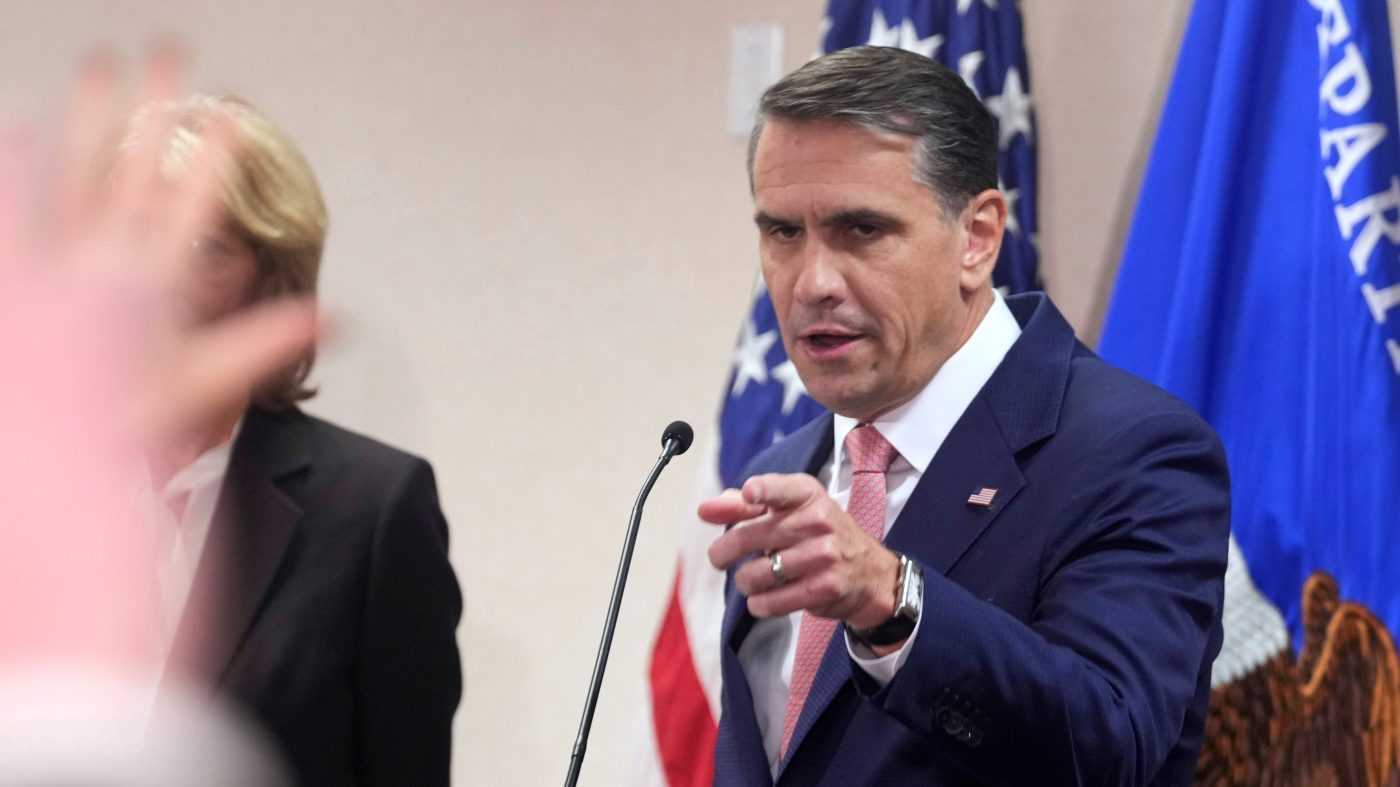
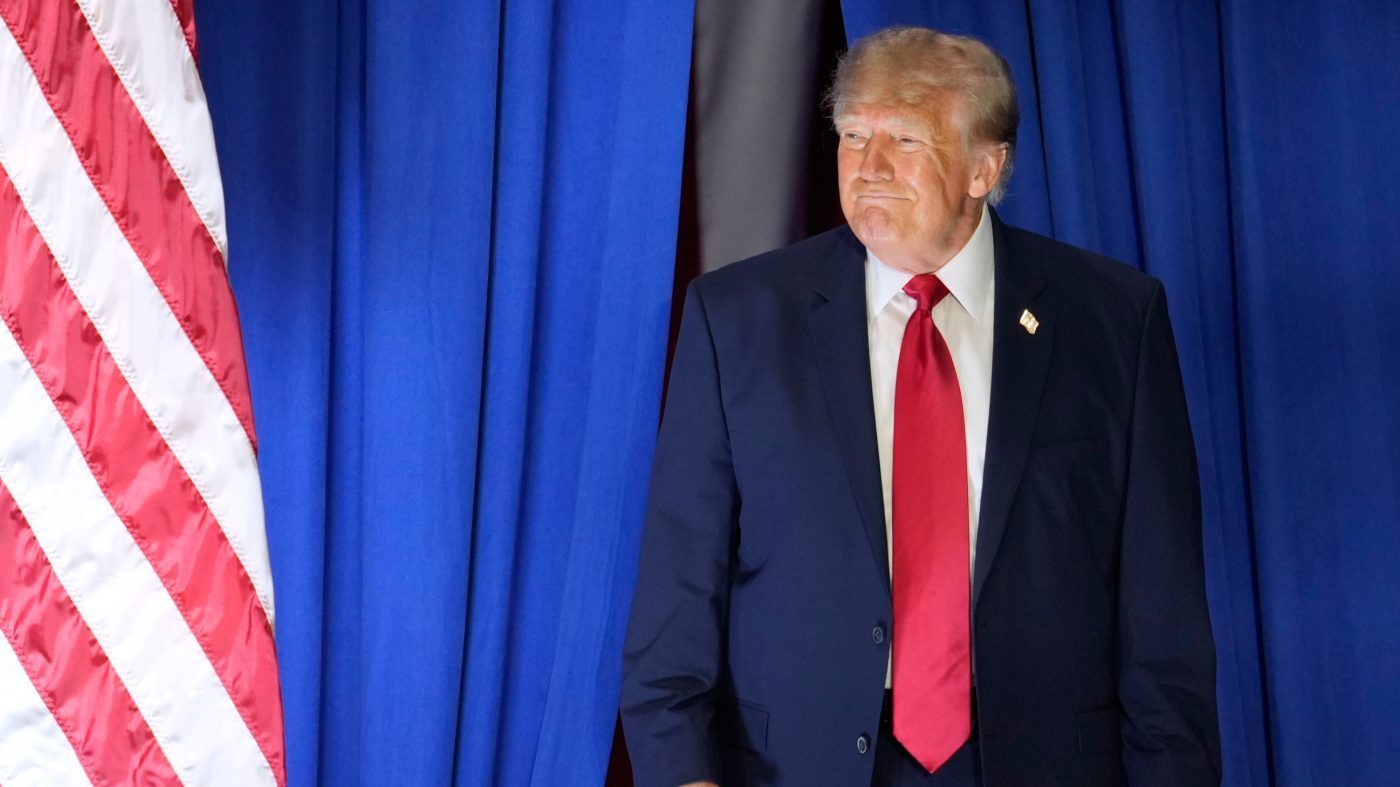
The bill has already missed President Trump’s self-imposed June 1 deadline for getting it to his desk, after Senate Republicans delayed action over a controversial “anti-weaponization” fund. That fund would compensate individuals who claim they were unfairly targeted by the Biden Justice Department. Acting Attorney General Todd Blanche told lawmakers the DOJ would not proceed with the fund, but Trump undercut those remarks by calling it “a beautiful thing.”
While some Senate Republicans pushed to include language barring the Trump administration from creating the fund, the final bill did not contain such provisions. It passed the Senate early Friday morning. Speaker Johnson can afford only two GOP defections on final passage, assuming all members are present and Democrats remain united in opposition.
Rep. Kevin Kiley, an independent who caucuses with Republicans, told reporters Tuesday he is leaning no. “I would need to see bipartisan reforms to interior immigration enforcement, which I think have strong bipartisan support,” Kiley said. “Unless something drastic happens, I wouldn’t even consider voting yes.”
Republicans chose to fund ICE and Border Patrol through the reconciliation process, which bypasses the Senate filibuster, after bipartisan negotiations on immigration enforcement reforms collapsed. Minority Leader Hakeem Jeffries blasted the bill Monday, calling it a “blank check” for ICE. “We believe taxpayer dollars should be used to make life more affordable for the American people, not give ICE another $70 billion blank check so they can unleash brutality on American citizens and violently target law-abiding immigrant communities,” Jeffries said.
The push comes as the GOP faces a dual deadline on FISA renewal and border funding, and as former Border Patrol commander Gregory Bovino launches a 2028 White House exploratory committee, signaling ongoing debate over immigration policy.