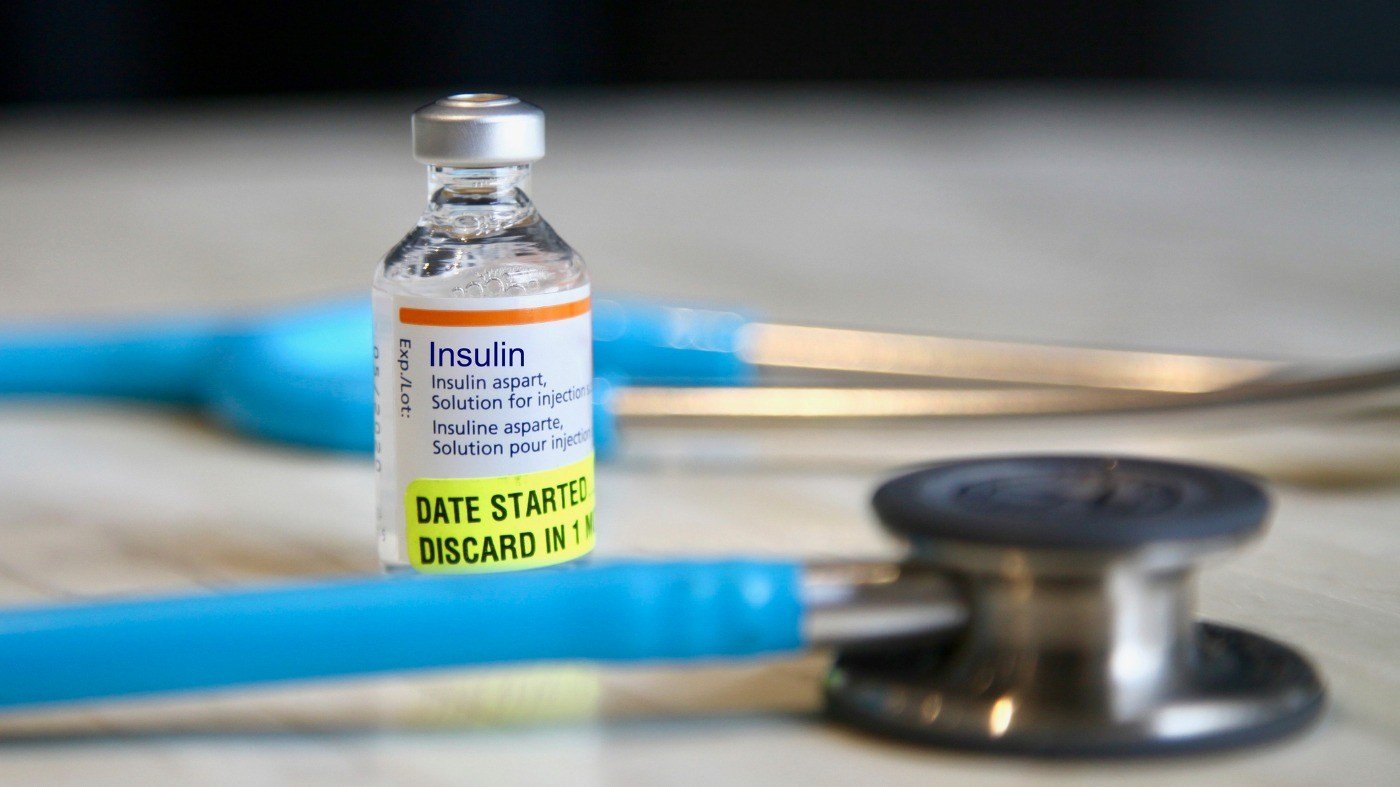
In a move that underscores the political salience of drug pricing, a bipartisan coalition of House lawmakers introduced legislation Thursday that would cap monthly out-of-pocket insulin costs at $35 for patients with private health insurance. The bill’s backers include two Republicans representing battleground districts, a sign that the GOP is seeking to blunt Democratic attacks on healthcare costs as the midterm elections approach.
The legislation, formally known as the Improving Needed Safeguards for Users of Lifesaving Insulin Now Act, or the Insulin Act, is spearheaded by Democratic Reps. Diana DeGette of Colorado, Angie Craig of Minnesota, and Kim Schrier of Washington, alongside GOP Reps. Mariannette Miller-Meeks of Iowa and Rob Bresnahan of Pennsylvania. Miller-Meeks, a physician, previously voted for a Democratic insulin pricing bill in 2022, while Bresnahan’s involvement marks a fresh bipartisan push in a competitive district.
The House measure mirrors a Senate version that advanced through the Health Committee earlier this summer, backed by Sens. Susan Collins (R-Maine), Jeanne Shaheen (D-N.H.), Raphael Warnock (D-Ga.), and John Kennedy (R-La.). That bill has 28 co-sponsors, evenly split between the parties, but has yet to reach the floor. Supporters hope the House introduction will build momentum for action in the lame-duck session, possibly attached to a year-end spending package.
Beyond the $35 cap, the House bill would prohibit health plans from applying deductibles to selected insulin products, accelerate the approval process for biosimilar insulins, and create a hotline and resource center to assist uninsured individuals in accessing the drug. The proposal targets a long-standing frustration in the U.S. healthcare system, where insulin—a century-old drug—has seen prices climb with each new formulation. An estimated 40 million Americans live with diabetes, making the issue a potent political touchstone.
The push comes three years after the Inflation Reduction Act, signed by former President Biden, capped insulin prices at $35 per month for Medicare beneficiaries—a measure that passed without GOP support. Since then, several pharmaceutical companies have voluntarily reduced their list prices, but private insurance patients have not universally benefited.
In 2022, the House passed a Democratic-sponsored bill extending similar caps to private insurers, but only 12 Republicans backed it. At the time, GOP leaders accused Democrats of imposing “socialist price controls” and argued that such measures would allow pharmacy benefit managers to obscure savings from patients. The current bill’s bipartisan backing, particularly from Republicans in contested districts, suggests a tactical shift as the party tries to counter Democratic messaging on healthcare costs. This aligns with broader GOP efforts to address affordability issues, as seen in recent pushes on pump prices and other consumer concerns.
However, the path to enactment remains uncertain. The Senate version faces cost concerns that could deter some Republicans, and the House is in session for only one more week before the midterms. A lame-duck session may offer the best opportunity, potentially as part of a must-pass spending bill. Advocates argue that the bipartisan nature of the bill, combined with public pressure, could overcome legislative hurdles.
The bill’s introduction also highlights a broader debate over government’s role in drug pricing. While proponents frame the cap as a targeted relief for a life-saving drug, opponents warn of unintended consequences, such as reduced innovation or market distortions. The FTC’s recent actions against alleged price inflation in other sectors reflect a growing regulatory scrutiny, but insulin pricing remains a uniquely charged issue.
With the midterms looming, the political calculus is evident. Republicans in swing districts are eager to show they can deliver on healthcare, while Democrats are keen to highlight what they call the GOP’s past obstruction. The bill’s fate will test whether bipartisan compromise can break the cycle of partisan gridlock on drug costs.