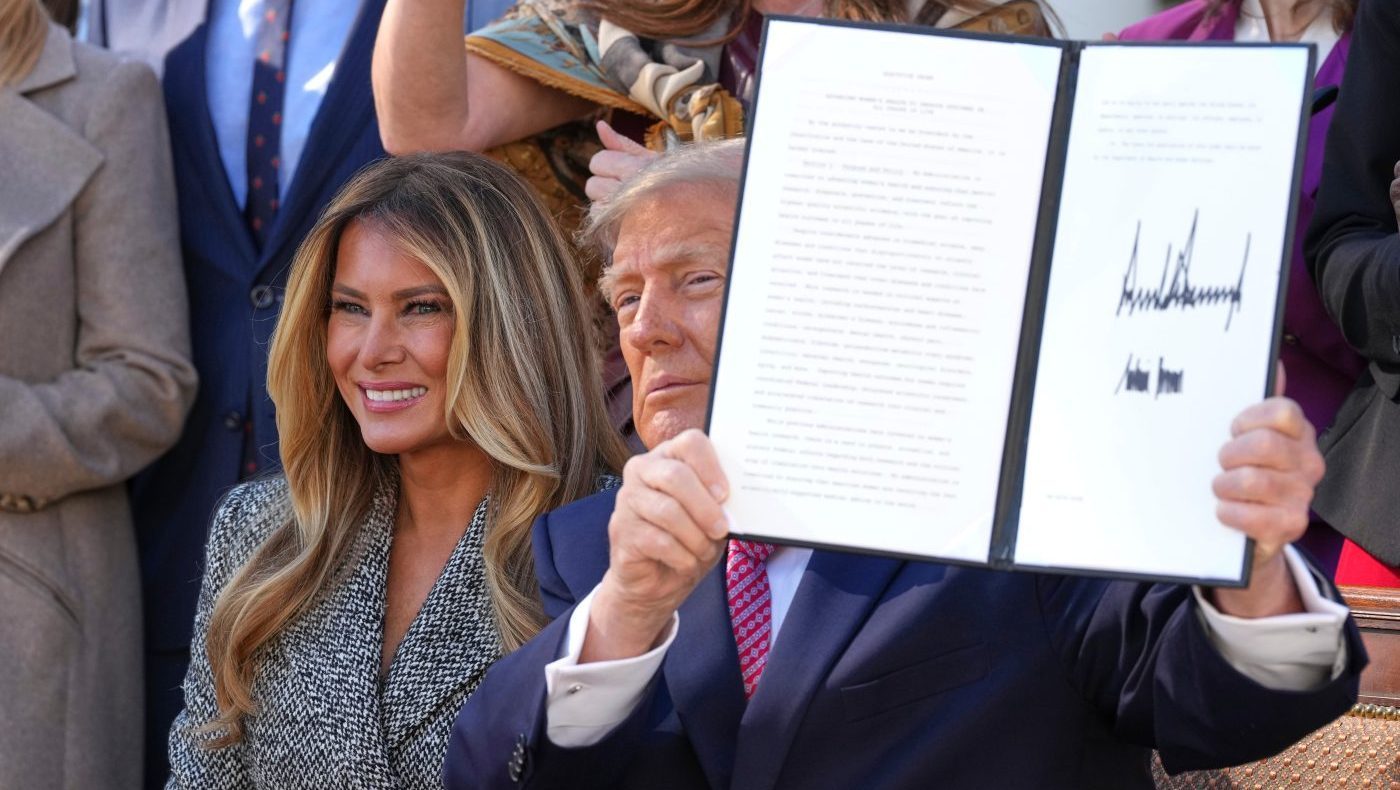
President Trump on Monday signed an executive order aimed at expanding federal research into women's health, a move he credited to first lady Melania Trump's advocacy. The order creates a new Women's Health Division within the National Institutes of Health and establishes a White House Women's Health Task Force, according to a White House fact sheet.
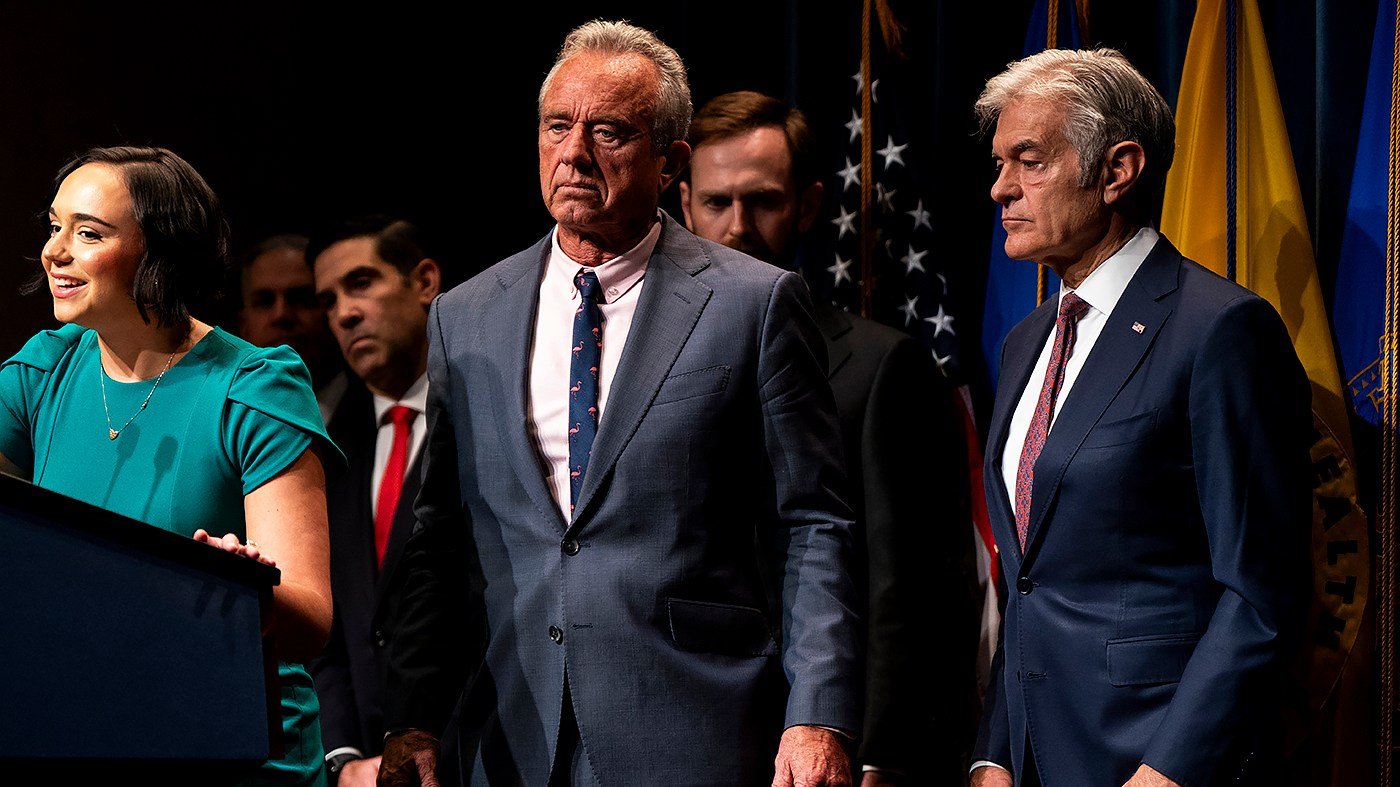
The task force will be co-chaired by White House chief of staff Susie Wiles and Health and Human Services Secretary Robert F. Kennedy Jr. Its first meeting is scheduled for later Monday, Melania Trump said from the Rose Garden, where she introduced the president before the signing.
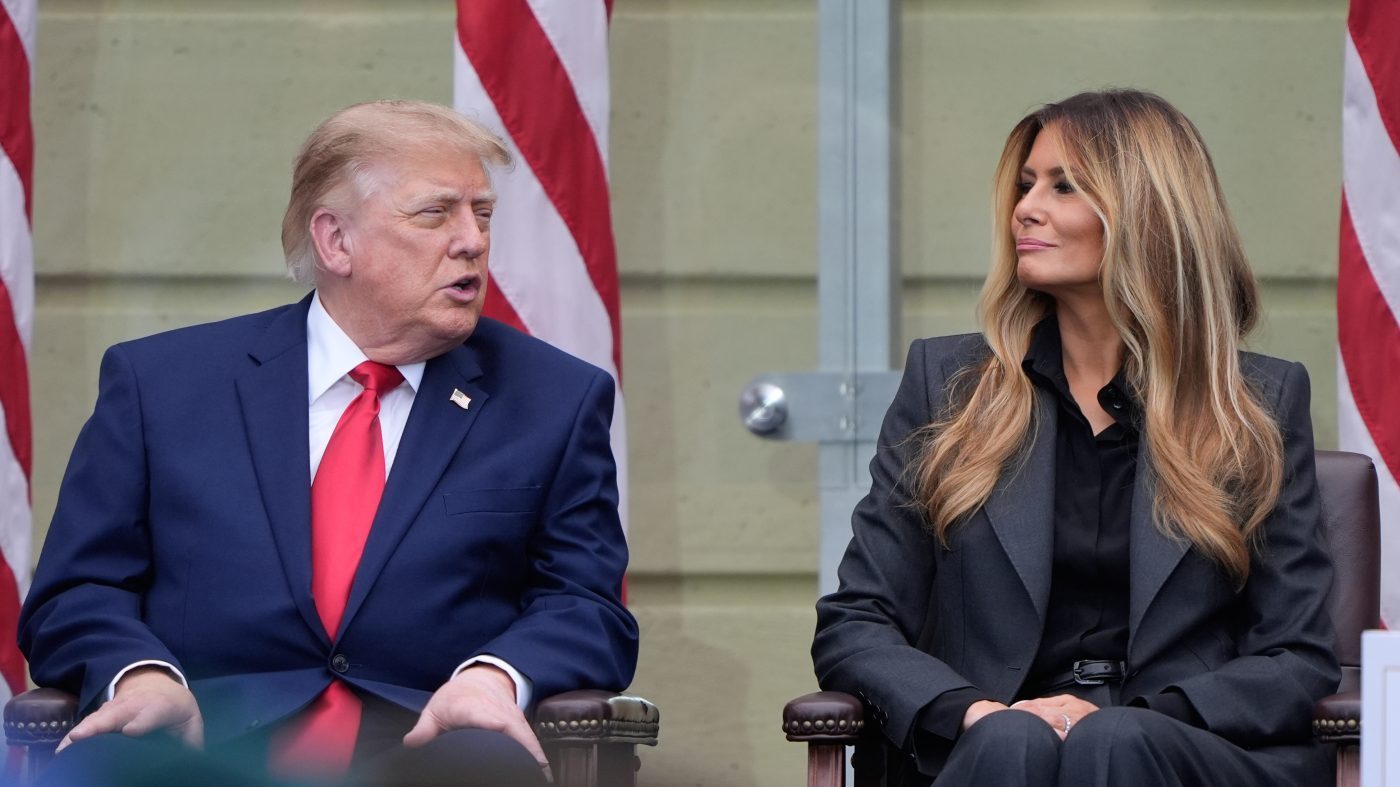
Melania Trump framed the initiative as setting "a new standard for women's health in America," emphasizing that the mission must serve women "at every stage of life, from young girls just starting out, to mothers dealing with a complex range of responsibilities, to mature women who deserve to have vitality, dignity, and independence."
The White House said the task force is designed to ensure a "comprehensive approach to women's health," with a particular focus on under-researched conditions that disproportionately affect women, including Alzheimer's disease, endometriosis, polyendocrine metabolic ovary syndrome (PMOS), infertility, maternal health, and menopause.
Trump noted that despite "amazing advances in medical science, many diseases and conditions that disproportionately affect women remain chronically understudied." He said the initiative will "promote new research and really go after the understudied diseases affecting women and promote innovative technologies to diagnose conditions sooner and improve treatment using the best available science."
The order follows a series of meetings that the first lady held with physicians and other experts to identify gaps in women's health research, according to a report from USA Today. This is not the first time Melania Trump has taken a public role in policy; she has previously focused on child welfare and opioid abuse. The new initiative builds on that record, though it remains to be seen how the task force will coordinate with existing federal health agencies and whether it will secure dedicated funding from Congress.
Political observers note the timing of the order, coming as the administration faces scrutiny over other health-related policies. The move could be seen as an effort to broaden the president's appeal on a bipartisan issue, particularly among women voters. However, some critics have questioned whether the task force will have real authority or simply serve as a symbolic gesture.
The creation of the NIH division signals a structural commitment to institutionalizing women's health research, but its impact will depend on the priorities set by the task force and the resources allocated by the administration. The White House has not yet disclosed a specific budget for the new division or the task force.
As the administration moves forward, the task force's first meeting will likely set the agenda for what conditions to prioritize and how to translate research findings into clinical practice. The order also aligns with broader efforts by the administration to reshape federal health research, though it remains distinct from other initiatives, such as those related to Pacific seabed mining or Trump's midterm pitch.