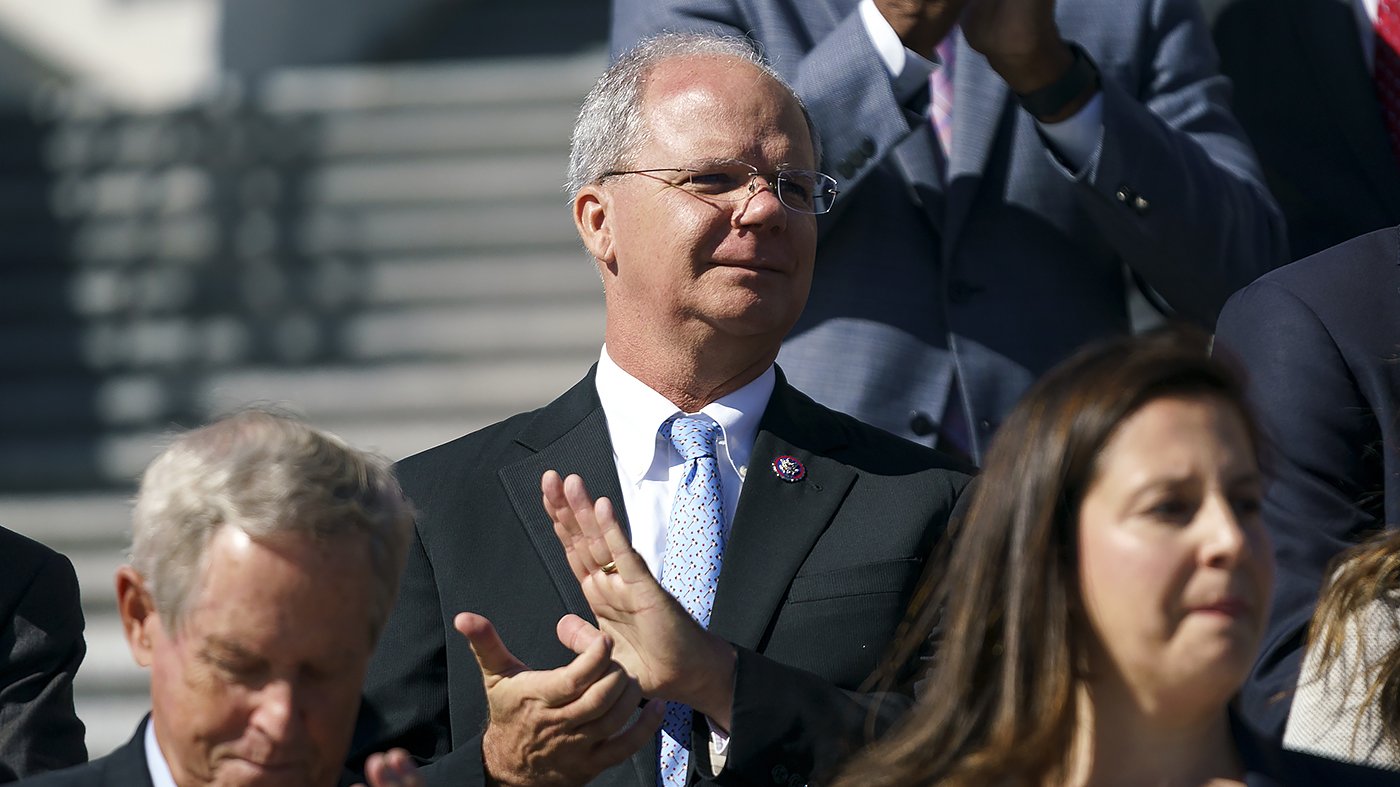
The House approved a sweeping package of children's online safety legislation Monday night, marking the first time the lower chamber has passed a version of the landmark Kids Online Safety Act (KOSA). The Kids Internet and Digital Safety (KIDS) Act cleared the House in a 267-117 vote, with 47 members not voting.
The package, assembled from portions of 14 separate digital safety bills, was advanced under a fast-track suspension of the rules process requiring a two-thirds majority. It now moves to the Senate, where it faces an uphill battle due to significant changes made to KOSA and other provisions.

Key Provisions and Bipartisan Deal
The legislation includes measures on age verification, artificial intelligence chatbots, data protections, and raising awareness about drug sales on social media. It also aims to limit the addictive features of social media platforms, provide parents with tools to monitor children's online activity, establish guardrails for AI chatbots, regulate direct messaging, and require age verification for adult websites. Additionally, it updates the Children's Online Privacy Protection Act to expand privacy safeguards and imposes new requirements on data brokers handling kids' data.
The bipartisan deal, announced last week by House Energy and Commerce Committee Chair Brett Guthrie (R-Ky.) and ranking member Rep. Frank Pallone (D-N.J.), notably dropped KOSA's duty of care provision. That provision would have legally required platforms to exercise reasonable care to prevent harms to minors, including eating disorders, suicide, substance use disorders, and sexual exploitation.
Senate Opposition and Negotiations
Tech watchdog groups, parent advocates, and KOSA's Senate co-authors—Richard Blumenthal (D-Conn.) and Marsha Blackburn (R-Tenn.)—argue the duty of care is the most critical element of the original bill. Blumenthal declared last week that the House version is dead in the Senate, though Senate Commerce Committee Chair Ted Cruz (R-Texas) has signaled openness to negotiations. This disagreement echoes past tensions: KOSA was introduced four times over four years and passed the Senate easily in 2024, but House Republicans' concerns over censorship and free speech blocked it from a floor vote.
Guthrie defended the compromise on the House floor Monday, saying the committee worked hard to reach a workable solution. While no single bill will solve every challenge facing families online, this legislation represents a significant and long-overdue step forward, he said, calling it an important milestone, not a finish line.
In the Senate, Blackburn is separately negotiating with the White House on a deal that could include the Senate version of KOSA. According to two sources familiar with the discussions, the White House told tech and policy organizations earlier this month that the package might also include the House's App Store Accountability Act and language preempting some state laws. Another source close to the talks said Blackburn's NO FAKES Act, which protects artists from AI impersonation, is also expected to be included.
Political Implications
The House's passage of the KIDS Act represents a significant legislative push on child online safety, but the removal of the duty of care provision has created a rift with the Senate. As the bill moves forward, the fate of key protections for minors remains uncertain, with negotiations continuing behind the scenes.