Contraception Access Becomes Central Plank in Iowa Senate Contest
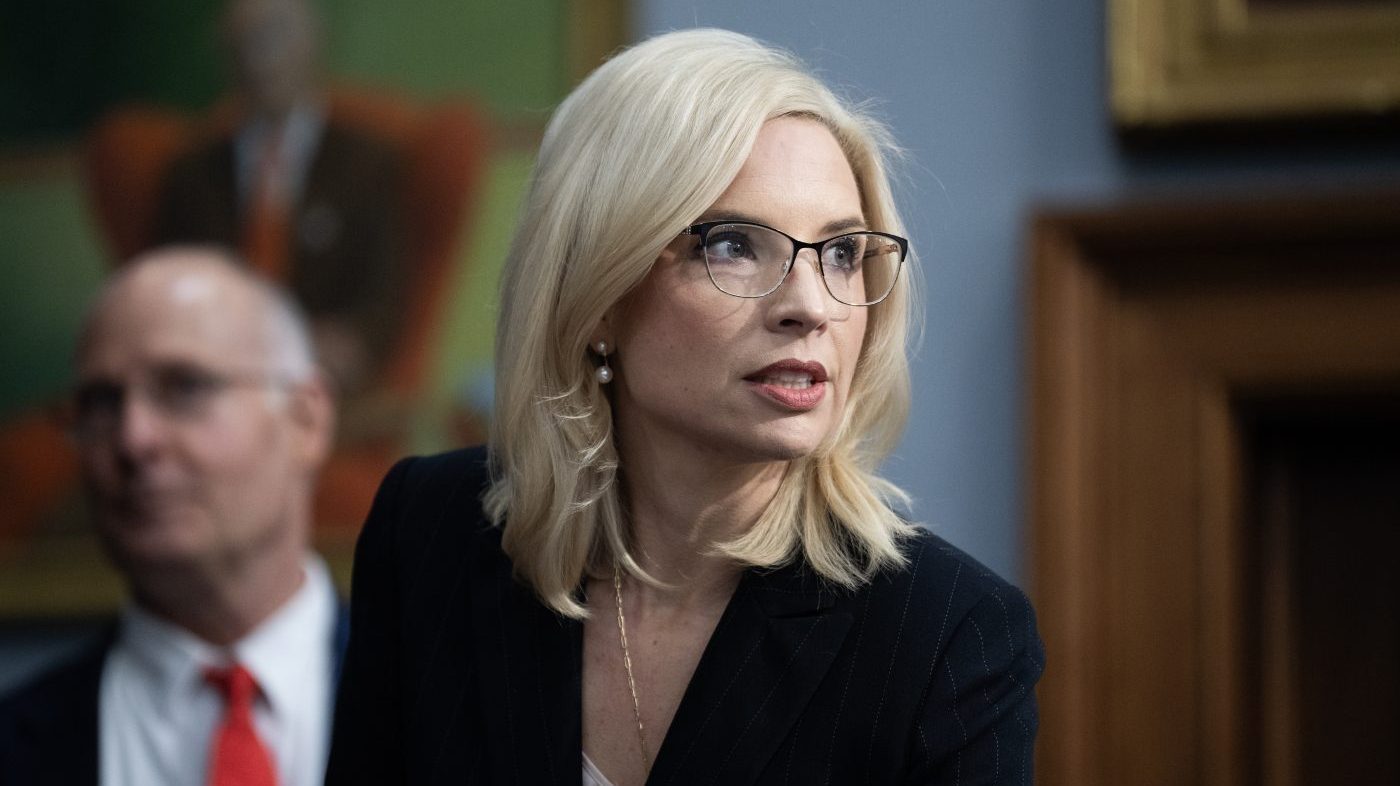
Republican Representative Ashley Hinson has positioned legislation to expand access to birth control as a cornerstone of her campaign for Iowa's open U.S. Senate seat. Hinson, the frontrunner to succeed retiring Senator Joni Ernst, recently reintroduced a bill that would allow adult women to obtain FDA-approved contraception directly from pharmacies without a prescription, framing it as a solution for rural Iowans who face long travel distances for medical care.
"I've heard from many Iowa women who have to drive long distances to see their doctor, making it difficult to get the care and prescriptions they need," Hinson stated. "My legislation would allow adult women to access FDA-approved contraception over-the-counter at their local pharmacy. Ensuring Iowa women can access safe birth control options over the counter is just common sense."

A Calculated Move in a Competitive Political Landscape
The legislative push arrives as Hinson seeks to maintain her electoral advantage ahead of November's general election. Analysts view the focus on contraception as a deliberate appeal to women and independent voters—known in Iowa as "no-party" voters—in a state Democrats are aggressively targeting. With both the Senate seat and the governor's office open due to Kim Reynolds not seeking reelection, Iowa represents a rare 2026 midterm opportunity for Democrats.
Timothy Hagle, a political science professor at the University of Iowa, noted the bill is co-sponsored by Republican Reps. Mariannette Miller-Meeks and Zach Nunn, whose districts are also Democratic targets. "I think there's a political calculation there, to some extent, but it's probably also just a matter of appealing to folks that this is a concern," Hagle said. He suggested the policy's focus on access, rather than a fundamental shift, could help Hinson connect with independents concerned about healthcare, even if they disagree with her support for the state's six-week abortion ban.
Polling on the race remains sparse, but a Democratic-backed survey reported by Politico in March showed Hinson leading potential Democratic opponents by narrow margins, indicating a potentially competitive contest in the traditionally Republican state. Hagle emphasized that unaffiliated voters will be decisive. "They're the ones that decide these things. In fact, they're the ones that are going to decide the Senate election."
Policy Roots and Political Framing
Republican strategist Doug Heye argued Hinson's focus is an extension of long-held policy views, not mere political expediency. He recalled hearing Hinson discuss expanding maternal healthcare and over-the-counter birth control at a bipartisan dinner last year. "Hearing her talk about these and that being a pro-life position showed she's been thinking about these issues for a long time," Heye said.
Hinson has introduced two related bills in every Congress since her 2020 election. The first, the "Allowing Greater Access to Safe and Effective Contraception Act," seeks to streamline FDA approval for nonprescription birth control pills. The second, the "Access to Long-Acting Reversible Contraceptives (LARCs) Act," would study barriers to methods like IUDs, particularly in rural areas.
Her campaign stresses this focus as part of a broader "mom on a mission" persona. "Family is at the heart of everything Ashley does," said Deputy Campaign Manager Addie Lavis. "She wants to make it easier to raise one and ensure women are supported at every stage of life." This personal framing occurs in a state that enacted a restrictive abortion law, a contrast Hinson navigates by separating contraception access from the abortion debate.
Veteran Iowa Republican strategist David Kochel suggested this approach could provide an opening with female voters. Meanwhile, the national GOP faces other internal challenges, such as the mounting frustration among Senate Republicans over a Homeland Security funding impasse, and external pressures, including warnings that a feud with the Pope could jeopardize midterm prospects.
As the campaign intensifies, Hinson's contraception initiative exemplifies how candidates are refining policy platforms to appeal to pivotal voter blocs. With control of the Senate at stake in 2026, races in states like Iowa will test whether such targeted appeals can sway the independent voters who often decide close elections, even as both parties grapple with broader strategic dilemmas, including the GOP's long-term plan to secure redistricting advantages.