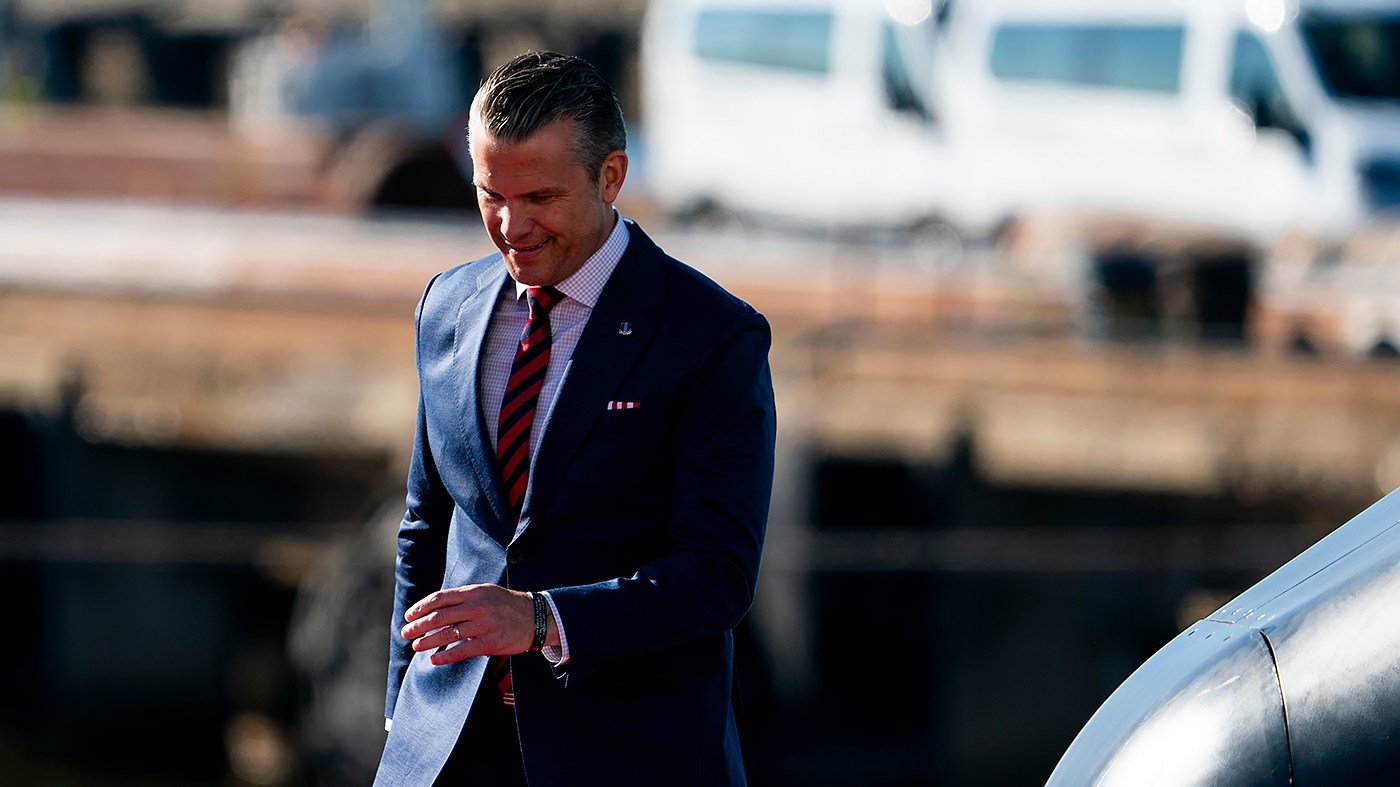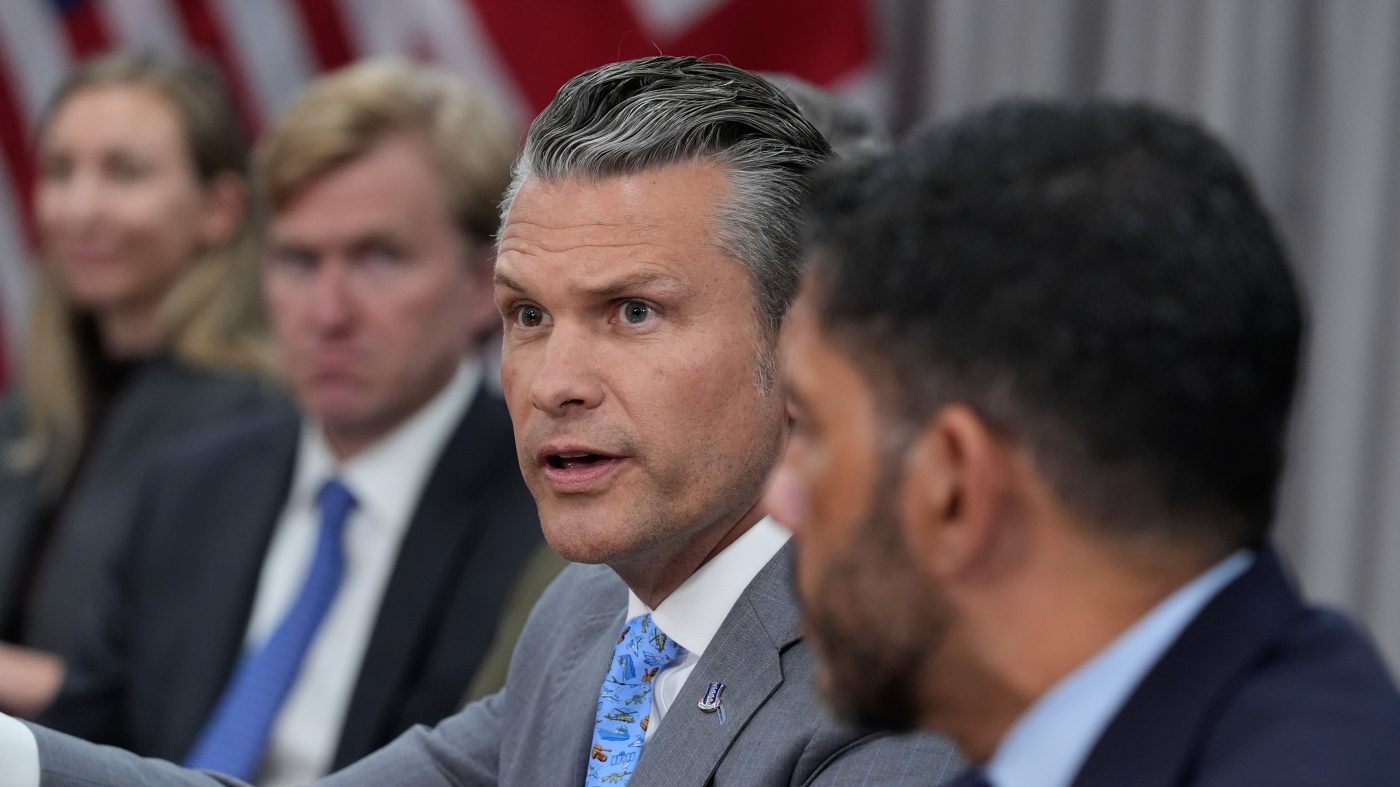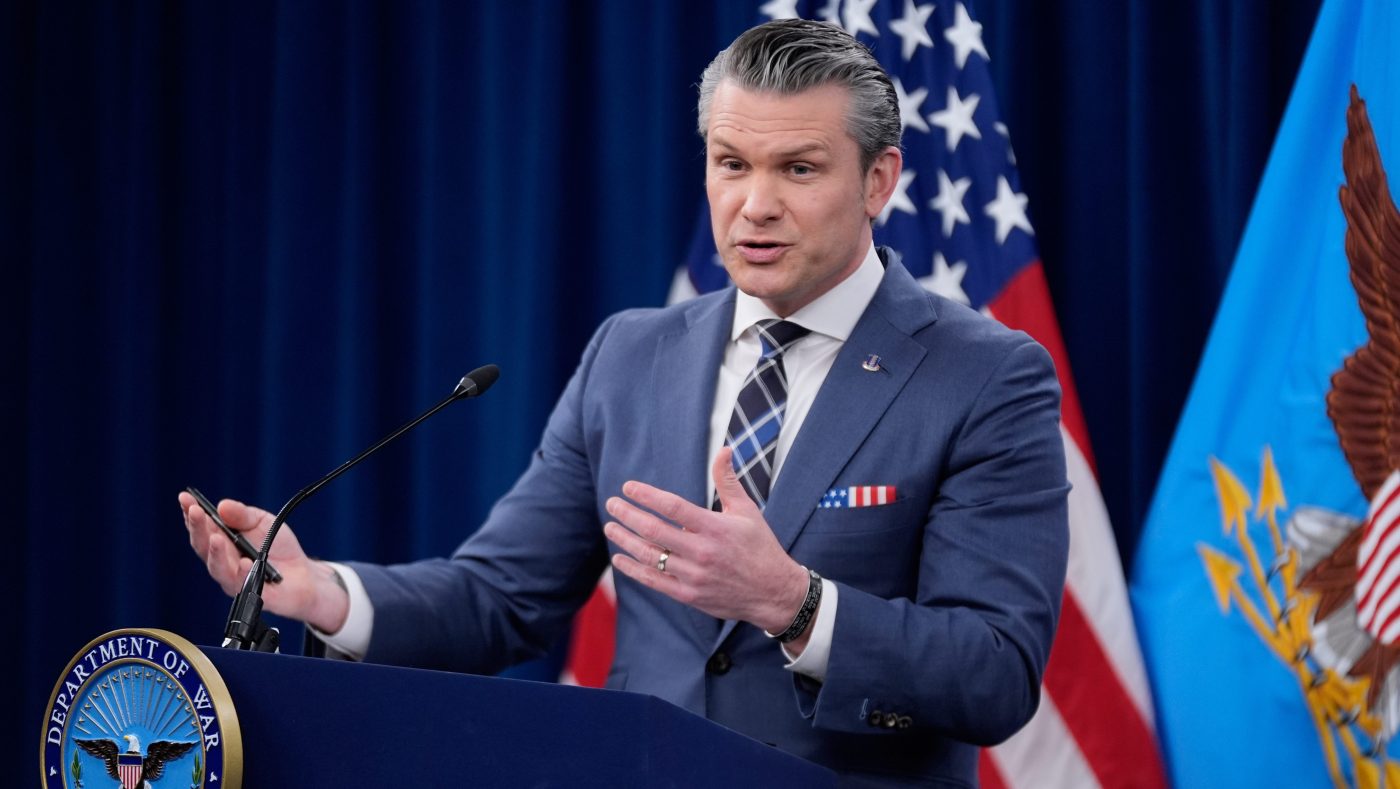
Defense Secretary Pete Hegseth has instituted a significant policy shift for the U.S. military's Chaplain Corps, ordering its members to cease displaying their military rank insignia. In a directive announced Tuesday, Hegseth stated that chaplains will instead wear insignia denoting their specific religious affiliation, a move he framed as re-centering their primary identity as spiritual leaders.
In a video message accompanying a formal memo, Hegseth explained that while chaplains will retain their commissioned officer status, their uniforms will no longer visually indicate rank. "This speaks to the difficult balance of the duality of the role," Hegseth said. "A chaplain is first and foremost a chaplain and an officer second. This change is a visual representation of that fact, specifically unique to the role of a chaplain. They are first and foremost called and ordained by God." He added that they would "be seen among the highest ranks because of their divine calling."

Accessibility and a Streamlined Faith System
The Defense Secretary argued the change would make chaplains more approachable for service members who might hesitate to discuss personal issues with a superior officer. The policy announcement included a second major reform: a drastic consolidation of the Pentagon's system for classifying religious faiths. Hegseth stated the Department of Defense would move from using more than 200 distinct "faith codes"—many rarely or never used—to a streamlined list of 31.
Labeling the old system "impractical and unusable," Hegseth noted that an "overwhelming majority of the military population used only six of the codes." He contended that a simplified structure would better enable chaplains to minister to troops "in a way that aligns with that service member’s faith background and religious practice." The Pentagon did not immediately release the new list of 31 approved codes.
Part of a Broader Cultural Agenda
Hegseth positioned these changes as initial steps in a broader campaign to restore chaplains as "moral anchors of the fighting force." He sharply criticized previous administrations, accusing them of infusing the Chaplain Corps with "political correctness and secular humanism" and diluting its role "until they were viewed by many as nothing more than therapists."
"A warfighter needs more than a coping mechanism," Hegseth asserted. "They need truth, big-T truth, they need conviction, they need a shepherd." He emphasized that spiritual health is "equally important" as physical and mental readiness, signaling a continued focus on shaping military culture. This directive follows other controversial personnel policies enacted under his tenure and aligns with his history of promoting traditionalist religious views within the armed forces.
The Chaplain Corps, established by George Washington in 1775, has evolved from an exclusively Protestant body to include Catholic, Jewish, Muslim, Buddhist, and many other faiths. A 2017 review listed over 200 faith groups, and guidelines under the Biden administration noted representation of more than 100 religious groups. Hegseth's consolidation marks a deliberate reversal of this expansive recognition.
This policy shift occurs against a backdrop of mounting operational strain on the U.S. military in ongoing international conflicts. Hegseth, a member of the Communion of Reformed Evangelical Churches—a denomination with controversial doctrines on social issues—has also instituted monthly prayer services at the Pentagon. These services have included figures like pastor Doug Wilson, whose church advocates for the criminalization of homosexuality and the repeal of women's suffrage.
Hegseth vowed the Pentagon is "not even close to being done" in its efforts to elevate the role of military chaplains, indicating further cultural policy changes may be forthcoming as the administration continues to prioritize its ideological agenda within the defense establishment.