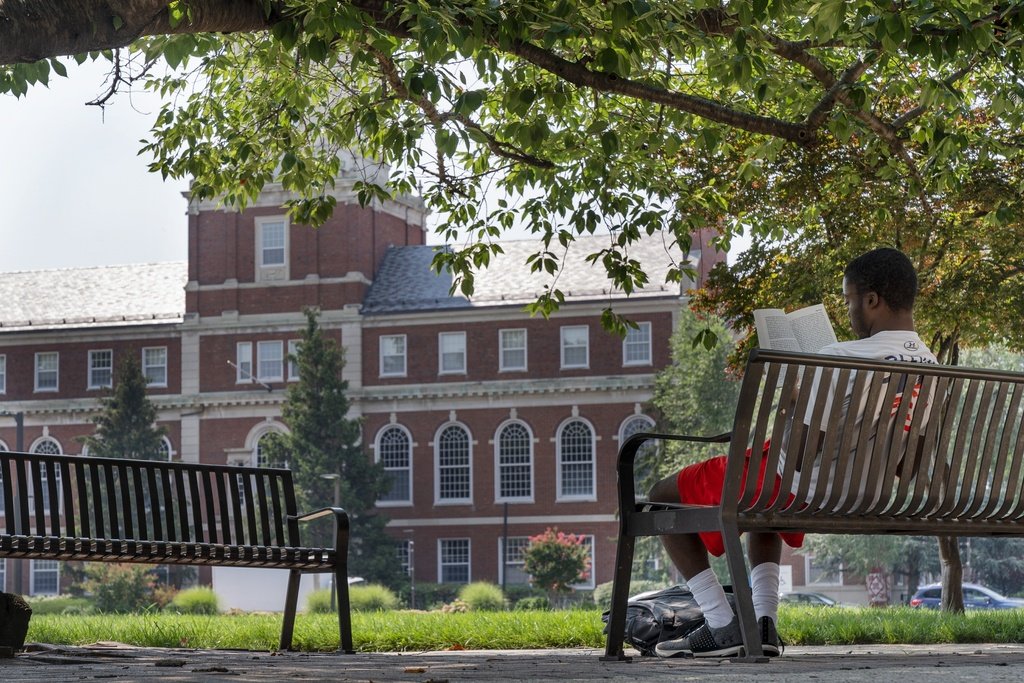
As the nation marks its newest federal holiday, Juneteenth, a prominent attorney and HBCU graduate is spotlighting the historic role these institutions played—and continue to play—in advancing African Americans into the middle class and beyond.
A. Scott Bolden, a graduate of Morehouse College and Howard University School of Law, argues that HBCUs did more than educate Black students during the era of segregation. They unlocked talent that had been deliberately suppressed, fueling both the Black community and the broader U.S. economy.
From Emancipation to Education
Juneteenth commemorates June 19, 1865, when Union troops enforced the Emancipation Proclamation in Texas, effectively ending slavery in the Confederacy. Bolden draws a direct line from that day to the founding of HBCUs, which provided the first structured higher education opportunities for formerly enslaved people and their descendants.
“Before the end of the Civil War, it was a crime in most southern states to teach enslaved people to read,” Bolden writes. The Alabama Slave Code, for instance, fined anyone teaching literacy to a Black person up to $500—nearly $20,000 today. Those who learned anyway risked beatings, amputation, or death.
Even after Emancipation, most Black children attended segregated, underfunded schools and few advanced beyond fourth grade. Between 1828 and 1880, only 30 Black students graduated from predominantly white U.S. colleges. By 1910, that number had grown to fewer than 700.
Personal and National Impact
Bolden credits his HBCU education with giving him the skills and confidence to become a senior partner at a major law firm and a force in Democratic politics in Washington, D.C. He notes that at Morehouse and Howard, he was surrounded by high-achieving Black peers and professors who “were deeply invested in the success of their students.”
He points to fellow HBCU alumni such as New York Attorney General Letitia James and private equity executive Willie Wood as examples of the leadership pipeline these schools produce.
“HBCUs have not just benefitted their students and the Black community,” Bolden writes. “They have also benefited our nation by taking advantage of the previously untapped talents of African Americans, enabling us to enter the middle class and move even higher.”
Persistent Gaps and Funding Needs
Despite progress, Bolden highlights a stubborn education gap: 33 percent of white Americans 25 and older hold at least a bachelor’s degree, compared with just 19 percent of Black Americans. HBCUs, though only 100 institutions, produce nearly 20 percent of all Black college graduates.
“Much must be done to narrow this higher education gap,” he writes, calling for increased federal, state, and philanthropic funding for HBCUs. The schools now enroll 24 percent non-Black students, reflecting their broader appeal.
Bolden concludes with a personal note: he recently watched his stepson graduate from Morehouse. “I hope that when he has children of his own, HBCUs remain an educational option open for them as well.”