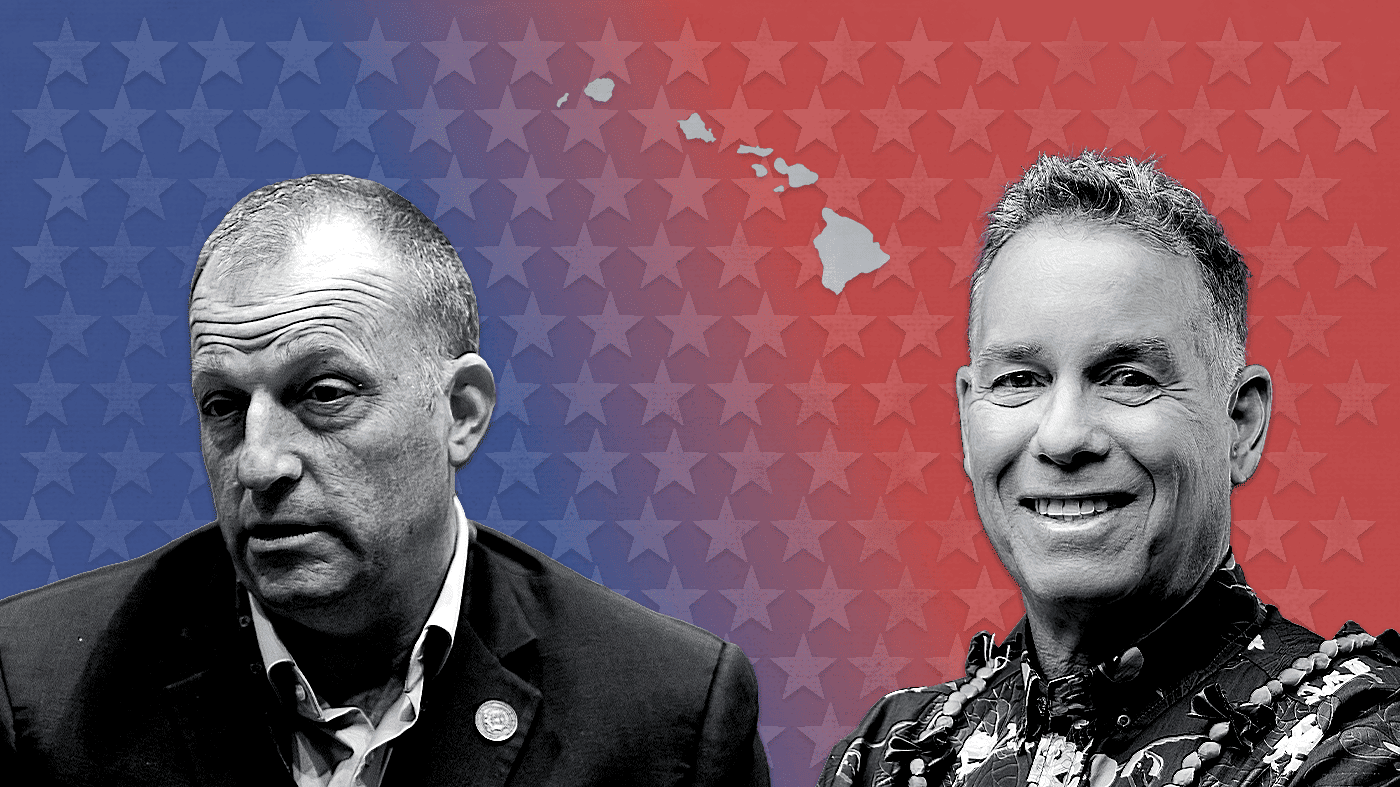
Hawaii voters are casting ballots Tuesday in the state's gubernatorial election, a contest that pits Democratic incumbent Josh Green against Republican businessman Gary Cordery in the heavily Democratic Aloha State.
Green, a former lieutenant governor who took office in 2022, cruised through the August Democratic primary with nearly 89 percent of the vote, reflecting strong support within his party. His Republican challenger, Cordery, also won his primary decisively, capturing roughly 76 percent of the GOP vote. Cordery, who runs a business in the islands, previously sought the Republican nomination for governor in 2022 but was unsuccessful.
The race is unfolding in a state where Democrats hold a commanding advantage in voter registration and have won every gubernatorial election since 1962. Green's campaign has emphasized his administration's work on housing affordability, homelessness, and disaster preparedness, while Cordery has focused on economic issues, including the cost of living and business regulation.
Polls close at 12 a.m. EST, and results are expected to come in shortly thereafter. Election officials have reported smooth voting across the islands, with no major disruptions as of early evening. As in other states, voters can skip races if they choose, though the governor's contest is drawing significant attention.
Political observers note that Green's path to reelection is widely seen as favorable, given the state's partisan makeup and his strong primary performance. However, Cordery has sought to appeal to independent and moderate voters by highlighting his business background and promising to cut taxes and streamline government.
The gubernatorial race is just one of several contests on Hawaii's ballot Tuesday, including congressional races and state legislative seats. Early results from other states, such as the Colorado Senate race, are also being watched for national trends, though Hawaii's election is expected to have limited impact on the overall balance of power in Congress.
Nationally, Democrats have been monitoring their standing in the generic ballot, and Hawaii's deep-blue status means Green's victory is likely to be a data point rather than a surprise. Still, the margin of victory could offer clues about voter enthusiasm in the Democratic base.
As results begin to roll in, both campaigns have expressed confidence. Green's team has pointed to his record and the state's recovery from recent natural disasters, while Cordery's camp has argued that voters are ready for a change in leadership. With polls closing soon, all eyes are on the islands to see if Green secures a second term or if Cordery can pull off an upset in a state that has not elected a Republican governor in over six decades.