A trip to the park is often seen as an escape from the grit of daily life, but a new analysis suggests these green spaces are not as isolated from industrial pollution as many might assume. Researchers at the University of Michigan mapped more than 151,000 public parks across the United States and found that over half are located within two miles of an industrial facility that manages toxic chemicals.
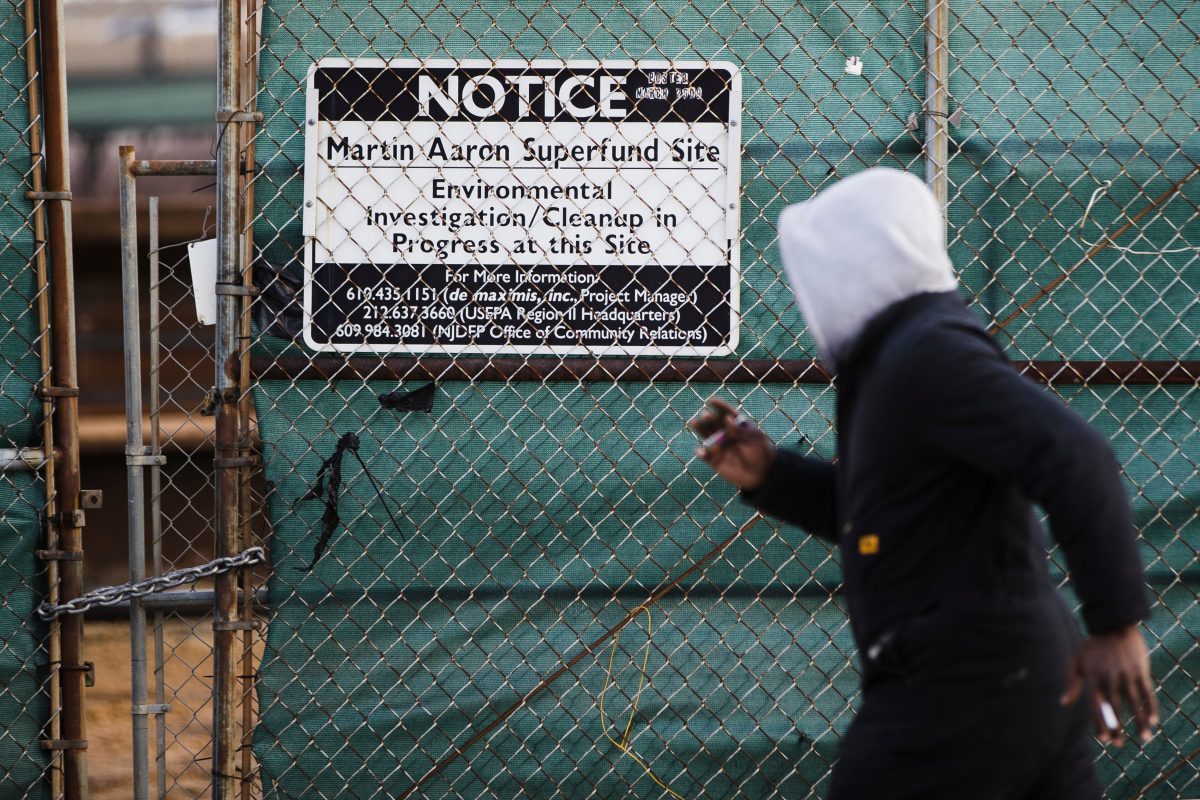
The study, published in the journal Environmental Science & Technology, identified nearly 27,000 parks that are situated near Superfund sites—areas so contaminated that they have been placed on the EPA’s National Priorities List. Even more striking, more than 2,400 parks have land that directly overlaps with a Superfund boundary.

What Are Superfund and TRI Sites?
Superfund sites are locations where hazardous waste has been dumped, left exposed, or improperly managed, posing a risk to human health, according to the U.S. Environmental Protection Agency. Under the Comprehensive Environmental Response, Compensation, and Liability Act (CERCLA), the EPA oversees the cleanup of these sites. The agency maintains a searchable database for residents to check if their homes are near a contaminated site.
Additionally, the study reviewed facilities listed in the Toxics Release Inventory (TRI), which includes industrial plants that manufacture, process, or use any of over 800 specific chemicals. These facilities must file annual reports with the EPA, and the data is compiled into the TRI. The analysis found that more than 60 parks are in close proximity to TRI-listed facilities.
Key Findings and Implications
The study did not measure actual pollution levels or health impacts on park visitors, but it underscores how pervasive these industrial sites are in the places where Americans live and recreate. Co-authors Elliott Chemberlin and Philippa Clarke told Nexstar that the findings highlight how polluting facilities “coexist alongside many of the places where we live, work and play.” Chemberlin, a former Junior Professional Researcher at the University of Michigan’s Institute for Social Research, and Clarke, a professor of epidemiology and ISR researcher, were surprised to find that many parks were created on former industrial or landfill sites that had been cleaned up and redeveloped.
For instance, New York’s Central Park sits near the Hudson River, which is a federal Superfund site. For decades, General Electric plants discharged polychlorinated biphenyls (PCBs) into the river, and extensive cleanup efforts have been ongoing for over two decades. The Hudson remains one of the largest Superfund sites in the country.
Other notable parks near Superfund sites include Chicago’s Millennium Park, home to the famous “Bean” sculpture, the Gateway Arch grounds in St. Louis, and even the land surrounding the U.S. Capitol building. Lambeau Field in Green Bay, where the Packers play, also falls within the proximity zone.
The researchers have created an interactive map for the public to explore the parks included in the study.
While the study does not confirm that pollution is present in these parks, it points to a growing body of research that links living near hazardous waste sites to adverse health outcomes. Clarke emphasized in a press release that the goal is to inform future park planning, encouraging developers to select land “farther from polluting sites.”
Chemberlin and Clarke caution against alarm, instead urging readers to investigate their own communities and become informed advocates for park management. “We do not want readers to be alarmed about any potential overlaps,” they told Nexstar, “but we do want to encourage them to do more research about what’s happening in their communities and use this as a launchpad to be more informed advocates for how they want their parks to be managed.”
This analysis comes amid broader debates about environmental justice and the placement of industrial facilities, particularly in low-income and minority neighborhoods. Other recent studies have also highlighted the disproportionate health risks faced by communities near polluting sites. As the Biden administration pushes for stricter environmental regulations, including the recent court ruling supporting EPA’s Superfund listing of PFAS chemicals, this research adds a new dimension to the conversation about public lands and industrial oversight.