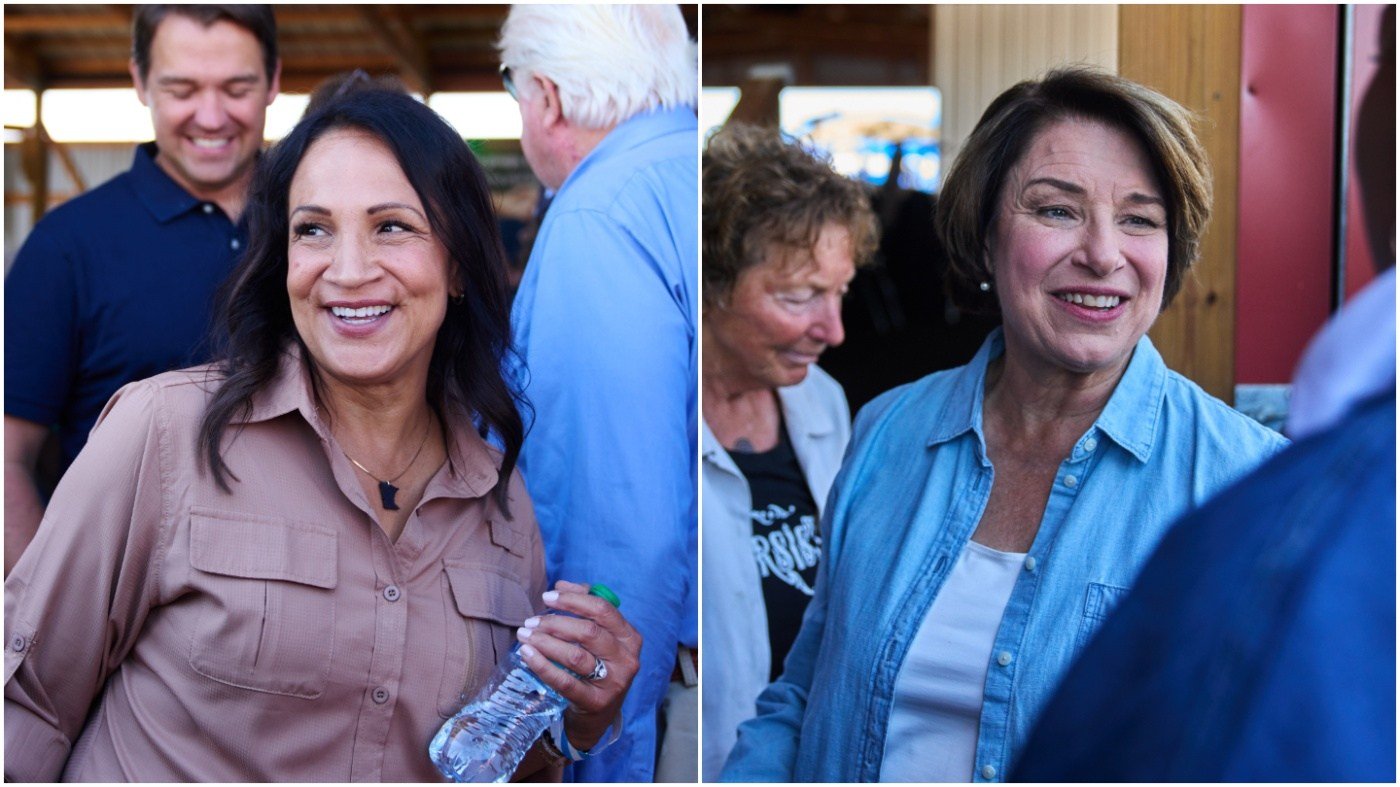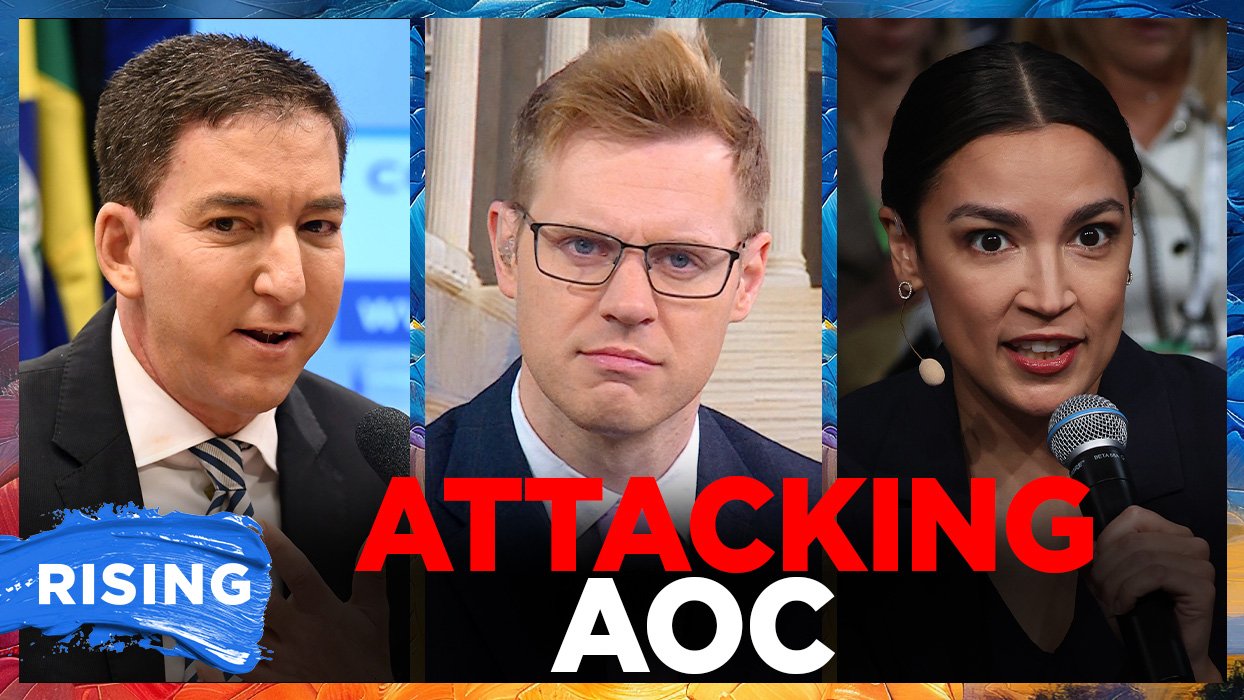
Representative Alexandria Ocasio-Cortez (D-N.Y.) is once again at the center of a political firestorm, this time drawing sharp criticism from an unexpected corner of the left. Glenn Greenwald, the journalist and civil liberties advocate known for his fierce independence from both parties, labeled the New York Democrat an “unprincipled, craven, partisan apparatchik” after she rejected the idea of collaborating with former Republican Representative Marjorie Taylor Greene on issues related to Israel and foreign wars.
The controversy erupted following interviews Ocasio-Cortez gave to comedian Ilana Glazer and Democratic strategist David Axelrod, where she outlined her far-left worldview. When asked whether she would work with Greene—who has broken with President Donald Trump on several issues, including criticizing Israel and voting to cut off funding for foreign conflicts—Ocasio-Cortez responded with a flat refusal, dismissing the Georgia Republican entirely.
Greene fired back, noting that Ocasio-Cortez “refused to vote for my amendment to strip funding for Israel.” She added, “She can run her mouth all she wants but votes are the only thing that matters, not a bunch of words and nasty name calling.”
Greenwald, writing on his Substack, argued that Ocasio-Cortez’s stance reveals a deeper hypocrisy. “Anyone who is actually serious and genuine in their purported anti-war convictions… would immediately and eagerly work with anyone to build a majority against these destructive war-promoting and militaristic policies,” he wrote. “But AOC made a point of announcing that she would never work with MTG on issues relating to Israel and war, despite the fact, or, more so, because of it, that MTG has displayed more courage and principle on that issue than AOC ever would.”
Greenwald further accused Ocasio-Cortez of lying to protect Democratic leaders who continue to finance Israel’s military operations, while Greene—along with Representative Thomas Massie (R-Ky.)—risked their political careers by opposing their own party’s leadership. Greene has already left Congress, and Trump is actively working to primary Massie.
The episode has reignited debate over Ocasio-Cortez’s potential run for the presidency in 2028. When asked about her ambitions, she did not rule them out, and she has cultivated a loyal following among progressive activists. However, some question whether she is the most viable leftist candidate. Representative Ro Khanna (D-Calif.), who has built bipartisan alliances—such as working with Massie on Epstein disclosure—is often cited as a more bridge-building alternative.
Progressive commentator Mehdi Hasan rushed to Ocasio-Cortez’s defense, calling the criticism “insane” and asserting she remains “the most viable and popular potential leftist candidate for president in 2028.” But skeptics point to her reluctance to cross party lines as a potential weakness in a general election.
As the 2028 race begins to take shape, Ocasio-Cortez’s ability to expand her coalition—or her willingness to work across the aisle—will be closely watched. For now, the clash with Greene and Greenwald has exposed fault lines that could define her political future.