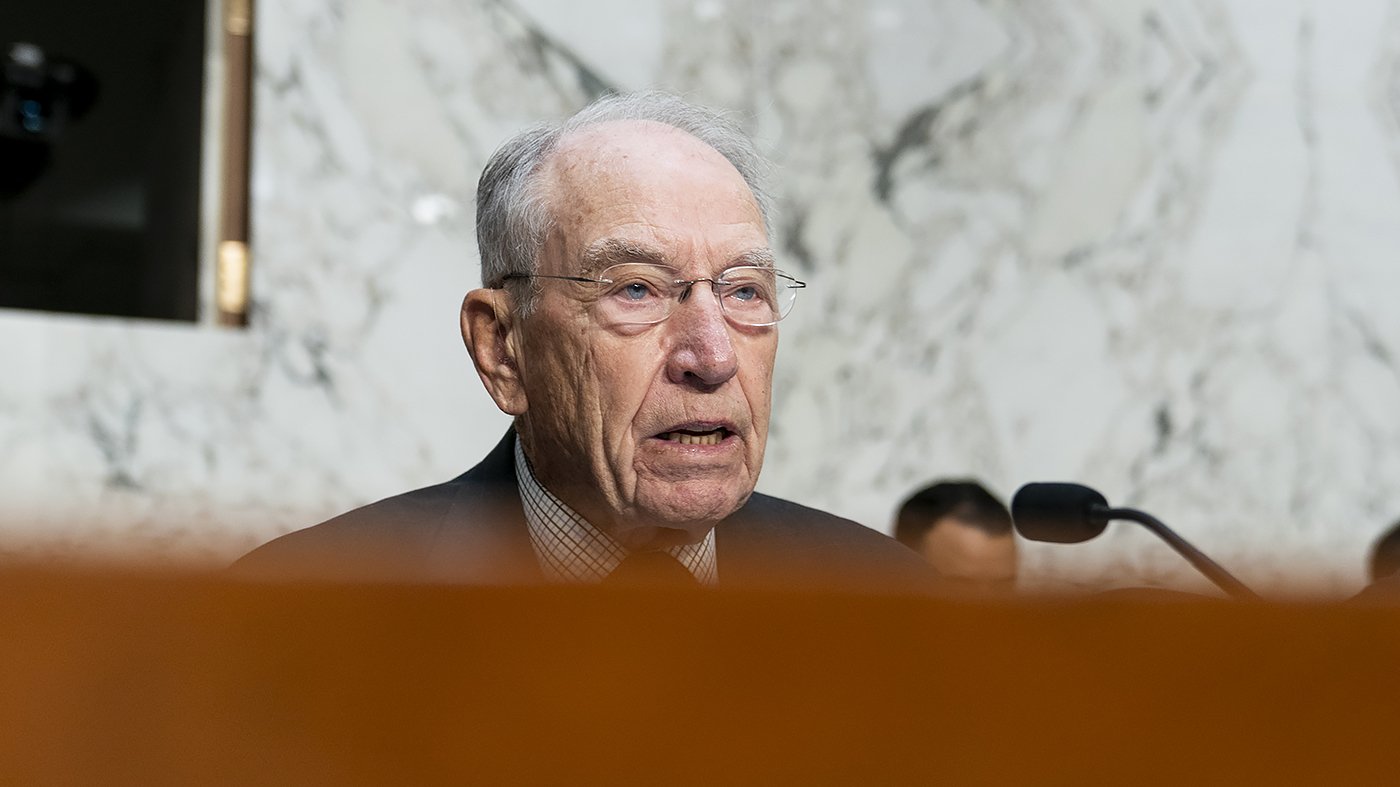
Senator Chuck Grassley, the 92-year-old Iowa Republican, announced Monday that he underwent surgery to remove gallstones during the weekend in his home state. In a post on the social media platform X, Grassley stated his intention to return to Capitol Hill at the earliest opportunity.
The longtime lawmaker, who chairs the powerful Senate Judiciary Committee, expressed gratitude for the care provided by local medical professionals. "I will be back to Capitol ASAP," Grassley wrote, signaling his determination to resume his legislative and oversight responsibilities promptly.
Medical Context and Political Implications
Gallstones are hardened digestive fluid deposits that can develop in the gallbladder, ranging from minute specks to substantial formations. While often asymptomatic, they can cause severe abdominal, back, or shoulder pain. Common risk factors include age over 40, obesity, a sedentary lifestyle, and specific genetic backgrounds.
Grassley's health and capacity are closely watched given his pivotal institutional role. He currently holds the position of Senate president pro tempore, a constitutional office granted to the most senior senator in the majority party. This places him third in the presidential line of succession, behind only Vice President JD Vance and House Speaker Mike Johnson.
A Historic Tenure in the Balance
First elected to the Senate in 1980 after six years in the House, Grassley's tenure spans nine terms. His service began during the administration of President Gerald Ford. If he completes his current term, which expires in 2028, he will surpass the late Senator Ted Kennedy to become the fifth-longest-serving senator in American history.
The senator's future plans remain a subject of speculation in political circles. When questioned last August about whether he would seek re-election, Grassley deferred, telling reporters from the Iowa Capital Dispatch to "ask me the question in a couple of years." His decision will significantly impact the political landscape in Iowa and the balance of the closely divided Senate.
Grassley's absence, even if brief, comes at a critical time for the Senate Judiciary Committee, which handles high-profile nominations and weighty legal policy debates. His procedural experience and institutional knowledge are considered assets in navigating a contentious legislative environment.
The senator's announcement follows a pattern of prominent political figures publicly addressing health matters. It also intersects with broader national conversations about age, fitness for office, and succession planning within both parties' leadership ranks.
As Grassley recuperates, the Senate continues its work on a packed agenda that includes government funding, national security matters, and economic policy. His swift return will be monitored by colleagues and political observers assessing the stability and continuity of Senate leadership.