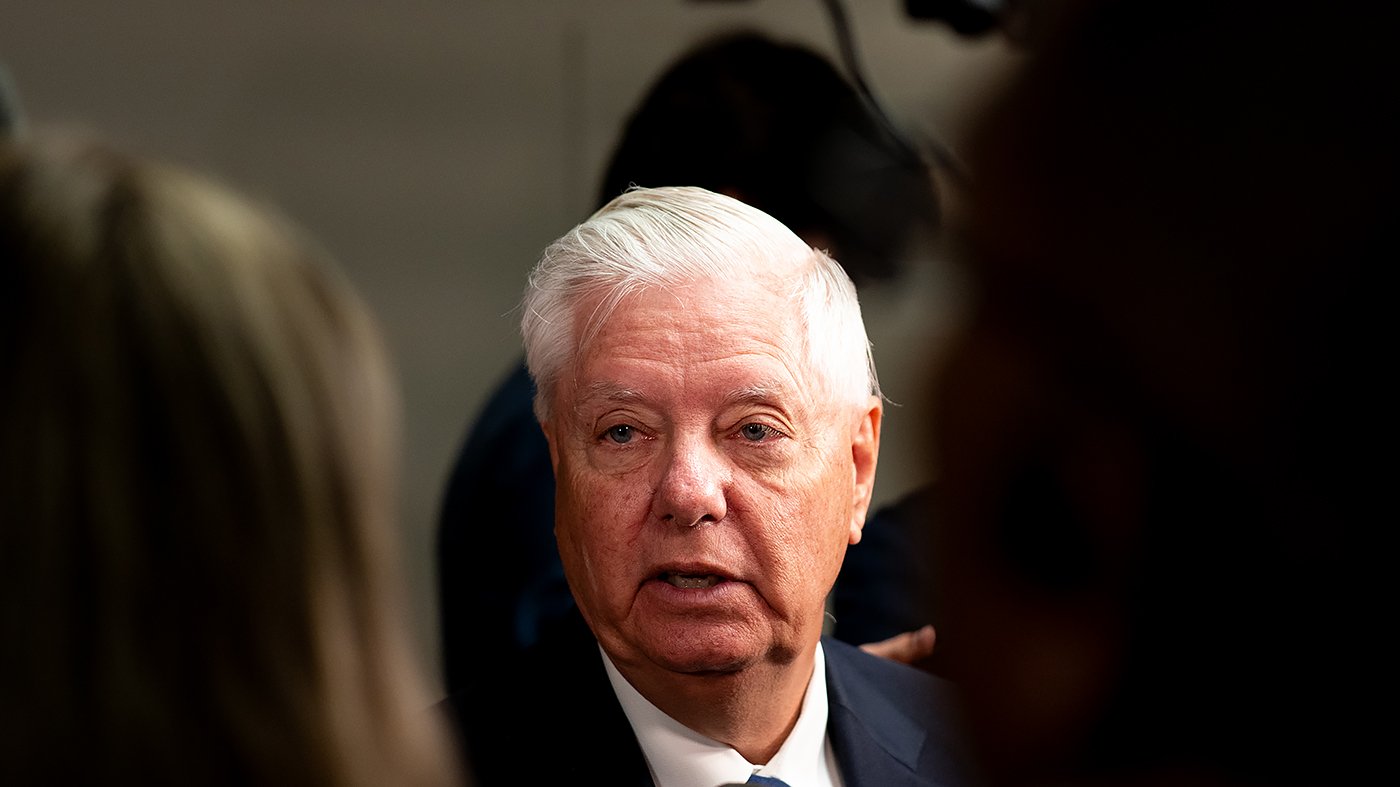
Senator Lindsey Graham (R-S.C.) has called on President Trump to move forward with the nomination of Jay Clayton, the U.S. Attorney for the Southern District of New York, to lead the Office of the Director of National Intelligence (ODNI). In an interview on CBS News’s “Face the Nation,” Graham argued that Clayton, not the current acting director Bill Pulte, is the right person for the job and that the nomination process should resume without delay.
Trump had paused Clayton’s nomination after Democrats refused to reauthorize Section 702 of the Foreign Intelligence Surveillance Act (FISA), a critical surveillance tool that expired earlier this month. The standoff stems from Democratic opposition to Pulte serving as acting intelligence director, with lawmakers on both sides questioning his qualifications. Graham told host Margaret Brennan that he believes the votes exist in the Senate to confirm Clayton and restore FISA.
“Mark Warner told me that there are enough votes to get FISA reauthorized, and I would urge President Trump to let Clayton testify,” Graham said, referencing Senate Intelligence Committee Vice Chairman Mark Warner (D-Va.). “And if we nominate Clayton and get him affirmed as the new DNI, we don’t want FISA to go dark. There’s too many threats to our country for 702 to go down.”
The president initially tapped Clayton to address concerns from lawmakers that Pulte was unqualified for the role. However, Trump later accused Republican senators of falling into a “trap” set by Democrats, who he claims broke a deal by refusing to renew Section 702 as part of the arrangement to remove Pulte. Several GOP members had also protested Pulte’s appointment, echoing concerns about his lack of intelligence experience.
When pressed on whether Trump would follow Graham’s advice, the senator deferred, saying the president should “speak for himself.” Graham emphasized the urgency of restoring the surveillance authority, stating, “We need FISA up and running. So, here’s what I hope will happen: that Clayton will appear before the committee, we’ll get him confirmed, and we’ll get FISA reauthorized, as the original plan was. I think the Democratic votes are there. We’re playing with fire here, no matter what side does it.”
Graham acknowledged that he is currently “fine” with Pulte in the acting role but warned that patience is wearing thin. “I won’t be fine much longer if we don’t get FISA up and running, and I think Clayton’s the perfect pick,” he added.
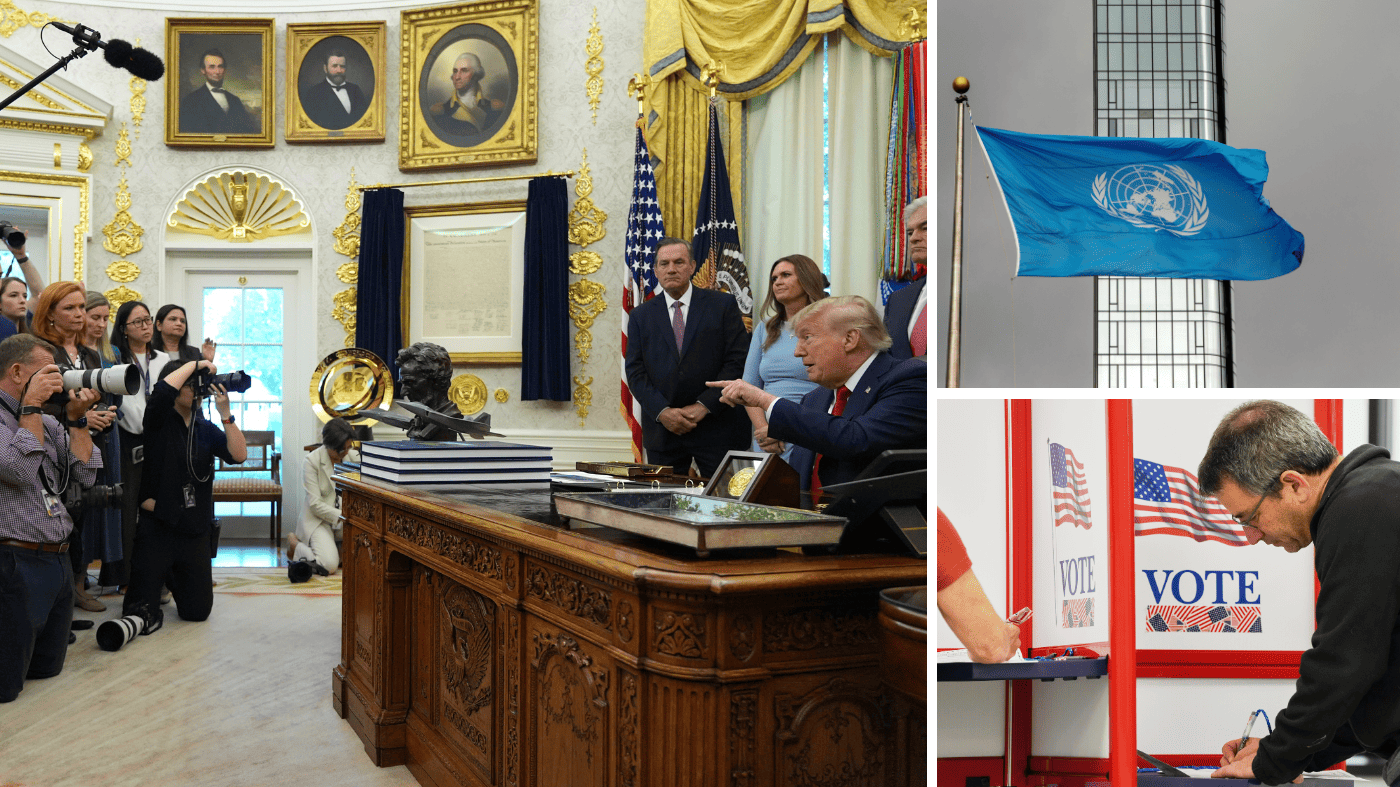
Trump’s decision to halt the nomination also ties into his push for the Safeguard American Voter Eligibility (SAVE) America Act, a voter ID bill that has become his top legislative priority. The House passed the measure in February, but it has stalled in the Senate with no Democratic support. Critics, including Senate Minority Leader Chuck Schumer (D-N.Y.), have compared the bill to Jim Crow laws, arguing it would disenfranchise young people, women, and people of color.
While many Senate Republicans back the SAVE Act, Majority Leader John Thune (R-S.D.) has expressed skepticism about its chances of passing. Thune has indicated he will attempt to renew FISA 702 independently, without linking it to the voter ID legislation. The political maneuvering has left the surveillance program in limbo, with national security implications that Graham and others say are too serious to ignore.
The broader context includes ongoing tensions over intelligence leadership and surveillance policy. For more on the administration's approach to national security, see this analysis of concerns about the quality of advice reaching the president. Additionally, the FISA debate echoes earlier clashes over executive authority, as highlighted in criticism of the Iran memorandum of understanding.