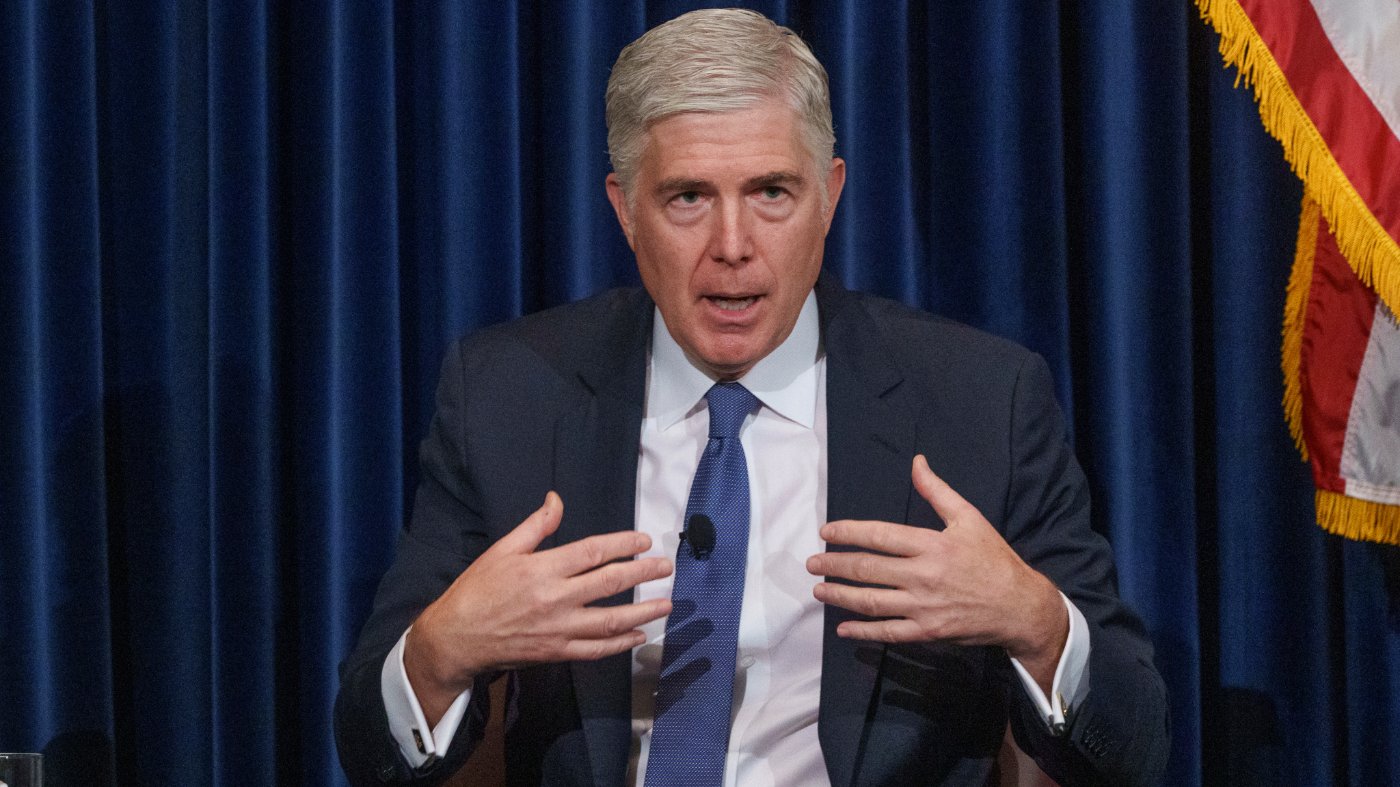
Supreme Court Justice Neil Gorsuch offered a robust defense of the high court's functionality during a recent interview, asserting that the judicial system is operating as intended even as the nation grapples with deep political polarization. Appearing on Fox News Sunday with host Shannon Bream, Gorsuch discussed his new book and reflected on the founding principles that underpin American governance.
Gorsuch, an appointee of former President Donald Trump, framed the court's workload in stark numbers: Americans file roughly 50 million lawsuits annually, but the justices review only the 70 most contentious cases—those where lower courts have split on statutory or constitutional interpretation. “Can you get nine people to agree on where to go to lunch?” he quipped, highlighting the challenge of achieving consensus among justices appointed by five different presidents over three decades.

Despite these hurdles, Gorsuch emphasized that the court reaches unanimous decisions about 40% of the time. “When you bear that in mind, say the system is working pretty much as it has for a very, very long time,” he said. The conservative-leaning bench has recently weighed in on high-stakes matters, including the legality of a Louisiana congressional map and the scope of presidential tariff authority—decisions that have fueled ongoing debates over judicial influence in policy.
The justice acknowledged that ideological clashes are inevitable. “I don’t expect to persuade my colleagues in every case. I know we’re going to disagree,” he told Bream. Gorsuch, a self-described originalist, noted that colleagues like retired Justice Stephen Breyer and current Justice Sonia Sotomayor approach the law differently. “I love them, okay, and we have a good time together disagreeing,” he added, underscoring the personal relationships that persist amid jurisprudential rifts.
When asked whether justices require private space to deliberate without media scrutiny or public pressure, Gorsuch called it a matter of balance. “We want some transparency, but we also have to leave room for candid conversations,” he said. He praised the availability of real-time audio of oral arguments but stressed the need for confidential discussions to find common ground. “Do we need time to actually talk quietly with one another, to find those places where we can reach agreement? Yeah, we do, and that’s nothing new.”
The interview comes amid a broader national conversation about the court’s role in contentious issues such as voting rights and redistricting, where recent rulings have triggered fierce political battles. Gorsuch’s remarks also echo ongoing debates about judicial transparency, as seen in the fight over telehealth abortion access and challenges to executive authority. His defense of the court’s functionality serves as a counterpoint to critics who argue that partisan appointments have undermined public trust.
Gorsuch’s book, Heroes of 1776: The Story of the Declaration of Independence, co-authored with Janie Nitze, provides historical context for his views. By linking the court’s current operations to the nation’s founding, he positions the judiciary as a stabilizing force in a fractious political landscape. The justice’s comments suggest that while disagreements are inherent, the institution’s resilience endures.