Republican efforts to advance a second budget reconciliation package—a procedural tool allowing legislation to pass the Senate with a simple majority—are encountering significant new political pressures that threaten to derail the process. The escalating conflict with Iran, a potential Department of Homeland Security shutdown, and former President Donald Trump's insistence on voting reforms have converged, complicating what was already a difficult legislative maneuver for the party's narrow House majority.
Shifting Priorities Create New Fault Lines
When conservative members initially revived the idea of a second reconciliation bill, their focus was on advancing a domestic policy agenda ahead of the midterm elections. That landscape has fundamentally changed. The three new flashpoints—military funding for Middle East engagement, DHS appropriations, and election security measures—now dominate the discussion, creating both a potential catalyst for action and new vectors for Republican disagreement.

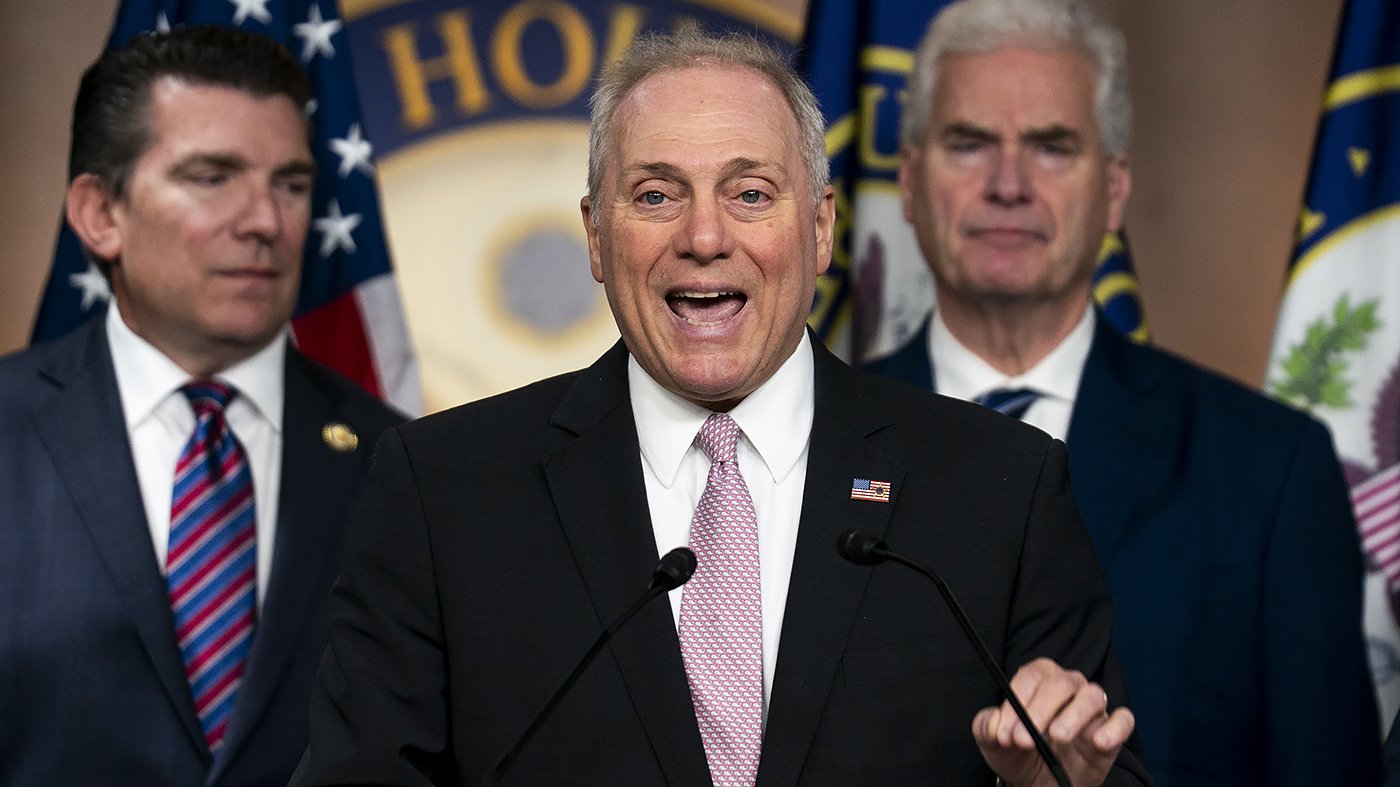
Key leaders are attempting to project unity. House Majority Leader Steve Scalise (R-LA) insisted the conference can manage multiple priorities simultaneously. Senate Budget Committee Chairman Lindsey Graham (R-SC) announced his panel would move quickly to craft a bill that would address homeland security funding, military needs, and election integrity, specifically referencing portions of the SAVE America Act concerning proof-of-citizenship and voter ID requirements.
Leadership Divergence on Strategy
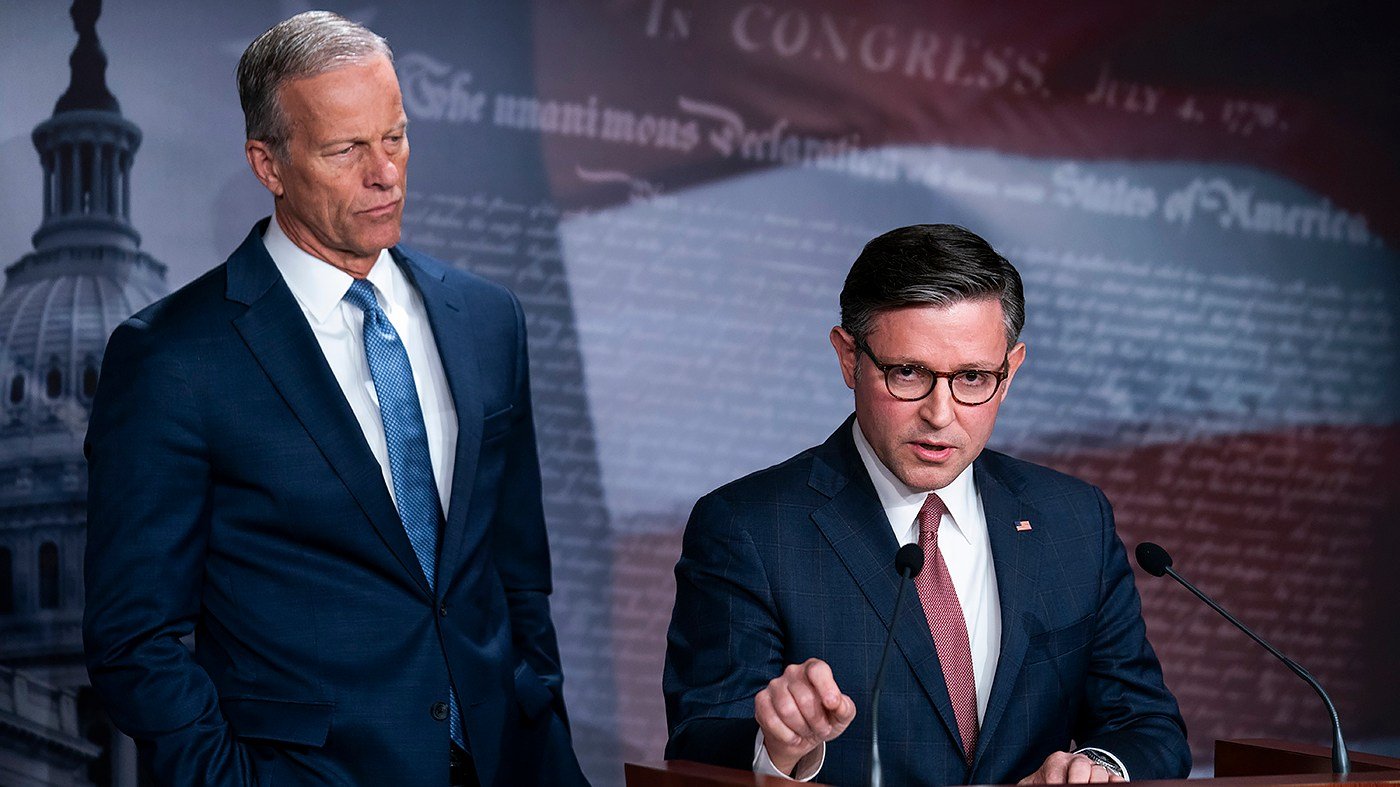
Speaker Mike Johnson (R-LA) confirmed that supplemental Pentagon funding related to Iran would likely be included in such a package. However, he expressed resistance to the idea of splitting DHS funding, urging Senate Democrats to fund the entire department. This stance puts him at odds with some in his conference who see a targeted approach as viable. The internal discord is reminiscent of last year's reconciliation fight, which saw two Republican defections. With his current margin, Johnson can afford to lose only one vote.
The policy scope of the bill is a major point of contention. While defense hawks push for robust military funding, fiscal conservatives and members of the Republican Study Committee (RSC) want the package to address domestic affordability issues like housing and healthcare. Rep. August Pfluger (R-TX), chair of the RSC, stated that while his caucus is open to including Pentagon funding, it "cannot be a sole issue." This tension underscores the challenge of uniting the conference's competing factions.
Procedural Hurdles and Political Catalysts
Skeptics have long doubted the House GOP could coalesce around a second reconciliation bill without a powerful external deadline, like the tax cut expiration that drove last year's effort. House Budget Committee Chairman Jodey Arrington (R-TX) believes an imminent White House request for supplemental defense funding could provide that necessary pressure. He noted that aligning defense hawks and budget hawks could generate the "momentum" needed to advance a package, though he acknowledged his own priorities lean more toward fiscal reform than Graham's focus on defense spending.
Substantive procedural questions also loom. The budget reconciliation process has strict rules limiting non-budgetary policy measures. This raises significant doubts about whether core components of the SAVE America Act, particularly its election law provisions, can be included. Some conservatives are openly hostile to the attempt. Rep. Anna Paulina Luna (R-FL) declared the Senate was "lying to the American people" by suggesting the act could pass via reconciliation and vowed to vote against any such package.
Growing Cracks in Consensus
The emerging Republican dissent over the Iran conflict presents a direct threat to the bill's viability. Rep. Nancy Mace (R-SC) has already stated she will oppose any supplemental Pentagon funding if it involves deploying U.S. ground troops to Iran. Such defections from the party's typically hawkish wing could doom a package requiring near-unanimous support. The situation is further complicated by the ongoing DHS funding crisis, which has led to warnings of airport security breakdowns and staffing shortages.
As the political calendar advances, the window for action is narrowing. Arrington indicated that initial committee work would need to occur within weeks, not months. The party's ability to navigate these intertwined crises—geopolitical conflict, a domestic security funding lapse, and internal policy disputes—will test its governing cohesion ahead of an election where Democrats currently hold an advantage in generic ballot polling. The second reconciliation bill, once seen as a vehicle for Republican priorities, has instead become a litmus test for the party's capacity to govern under intense pressure.