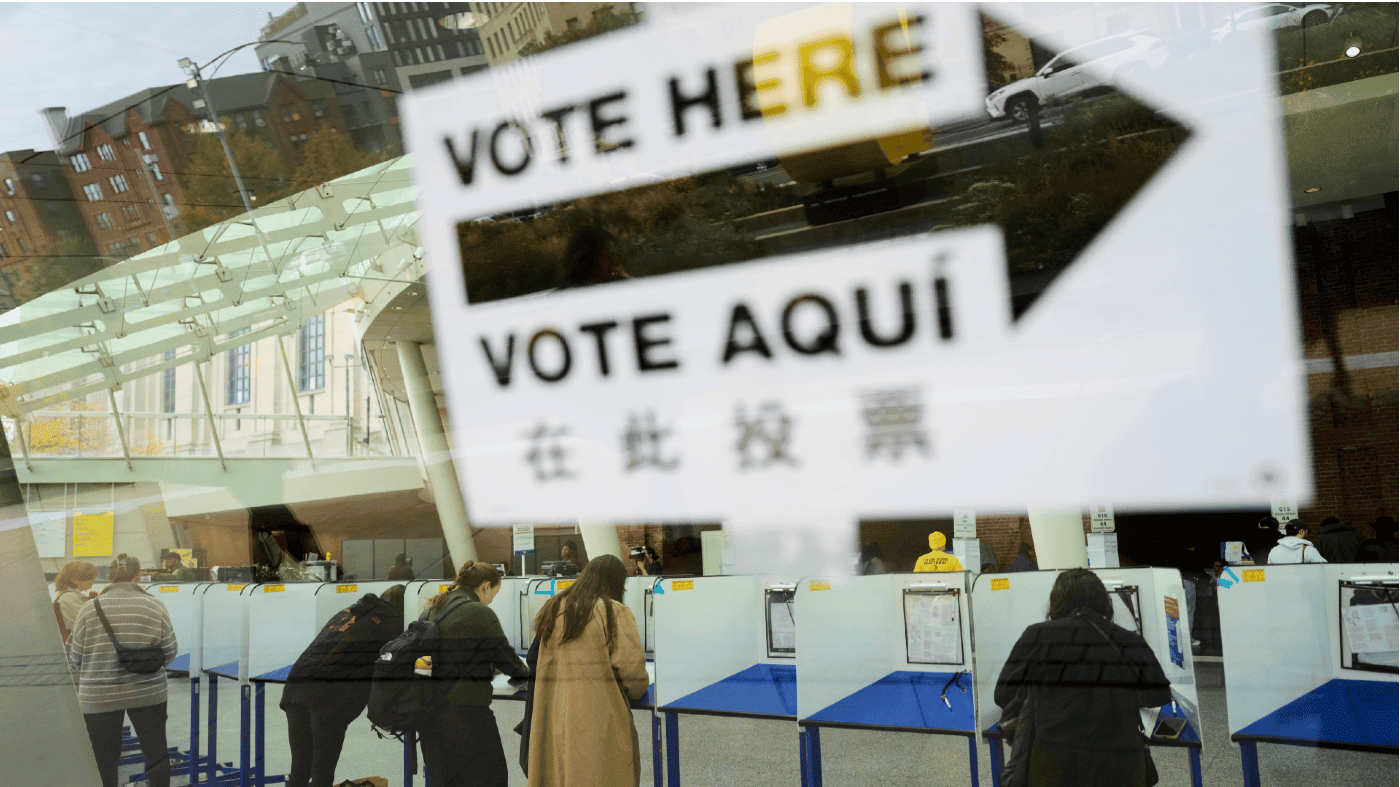
The 2026 midterm elections delivered a sharp rebuke to Republicans from Latino voters, with their support plummeting from 46% in 2024 to just 33% this year, while Democratic support surged from 51% to 65%. This 32-point margin marks a dramatic reversal from the historically narrow 5-point gap in the last presidential race, according to exit polls.
For progressives, this swing is being hailed as proof that Latinos are returning to the Democratic fold after years of erosion. But such optimism may be premature, argues David L. Leal, a senior fellow at the Hoover Institution. In an analysis for The World Signal, Leal warns that “wishful thinking that overstates the meaning of short-term shifts risks obscuring the unstoppable assimilation that is remaking Latino populations from within.”

Leal breaks down the Latino vote into two dimensions: long-term partisan shifts driven by assimilation into the American mainstream, and short-term electoral dynamics shaped by issues like the economy, inflation, and immigration enforcement. The 2026 results, he suggests, are less a permanent realignment than a reaction to Republican policies that Latinos found harmful.
Key factors behind the swing include the youth and working-class composition of the Latino electorate, with roughly one million Latinos turning 18 each year. These voters, many with weak party attachments, are particularly sensitive to economic conditions. In 2024, 70% of Latinos prioritized the economy; by 2026, they held Republicans accountable for inflation, tariffs, and deportation policies that disrupted families and communities.
Leal draws a parallel to earlier immigrant groups: “Italian, Polish and other European Catholic immigrants largely began their American political lives as Democrats. But over time, they assimilated and came to value the GOP's message about economic prosperity and social mobility.” Latinos, he argues, are on a similar trajectory, becoming less distinct electorally with each cycle.
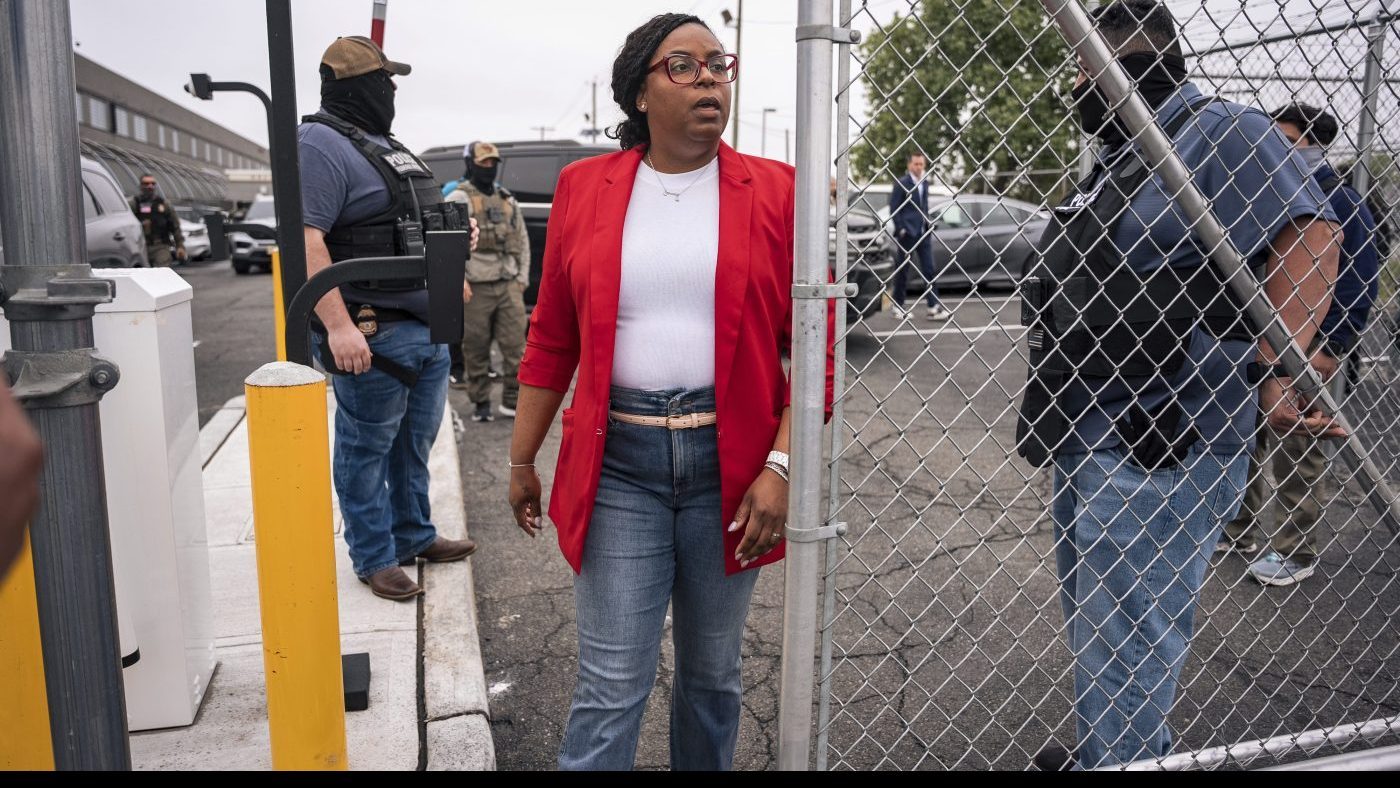
The midterm results also underscore a warning for Republicans: taking Latino voters for granted is a mistake. While many Latinos supported Trump's stance on limiting new arrivals, they drew the line at aggressive deportation of long-established unauthorized immigrants. As Leal notes, policies that “economically harm Latinos and target them for elevated policing and surveillance” hand electoral opportunities to Democrats, regardless of long-term trends.
Democrats, meanwhile, have learned their own lesson, pivoting to bread-and-butter economics and embracing a new generation of leadership that resonates with working-class voters. For Republicans, the path forward lies in returning to a focus on economic prosperity and individual liberty, as exemplified by Ronald Reagan's conservatism, rather than doubling down on divisive cultural battles.
Leal concludes that the GOP should treat the 2026 losses as “an opportunity for honest reflection, not for despairing about the Latino vote or doubling down on harmful domestic and foreign policies.” If the party can reorient itself toward policies that benefit all Americans, it may yet regain lost ground with Latino voters in future cycles.