Republicans arrived in Dallas last week for their first-ever midterm convention with a self-proclaimed affordability agenda, yet by the time the lights dimmed at the American Airlines Center, the party had largely abandoned the topic. Instead, the dominant message was a stark warning: Democrats are too dangerous to be entrusted with power.
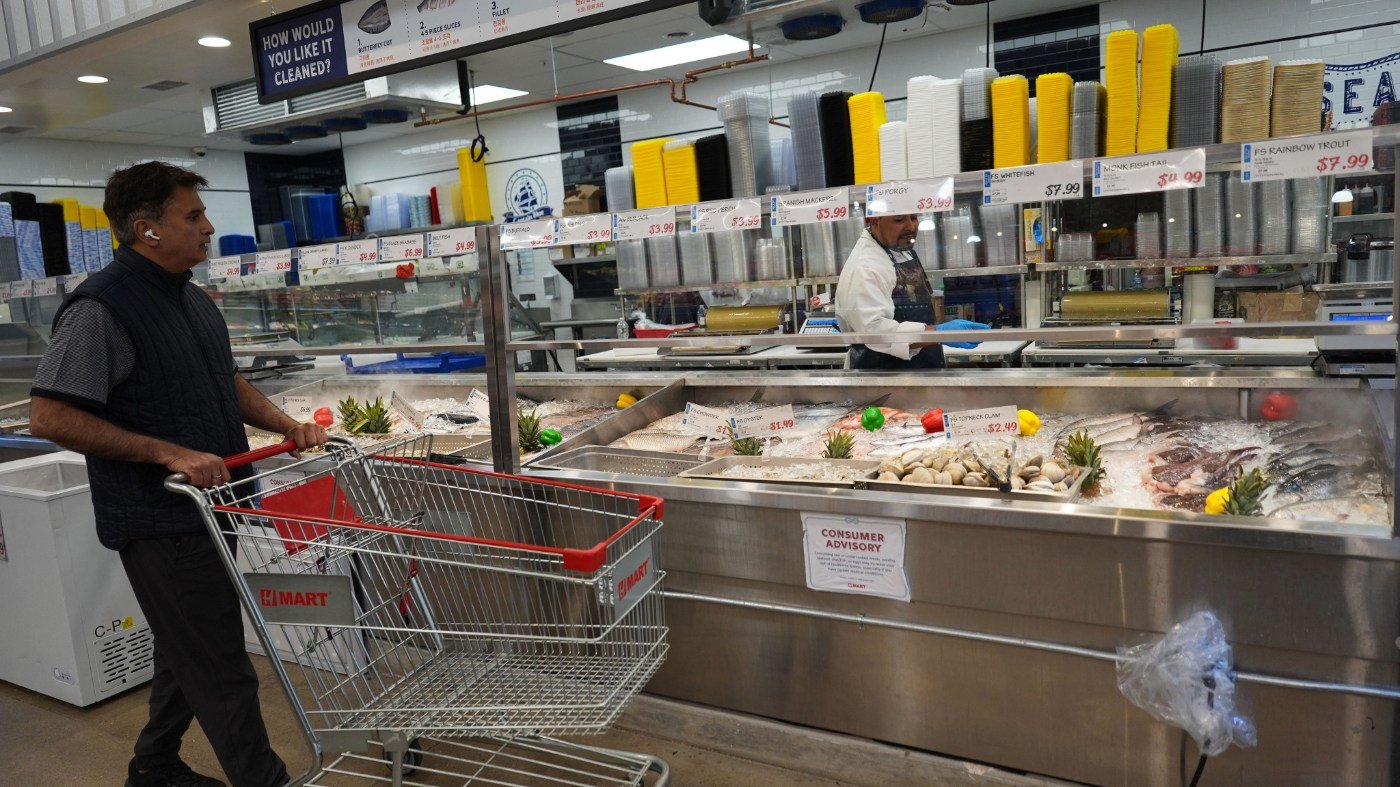
That pivot comes as a Reuters-Ipsos poll shows 47 percent of voters say the cost of living will be the single biggest factor in their November decision. The GOP's own convention had been billed as a showcase for proposals like no taxes on tips or overtime, tax cuts, and an economy they insist is finally improving. But the speeches that filled the arena told a different story.
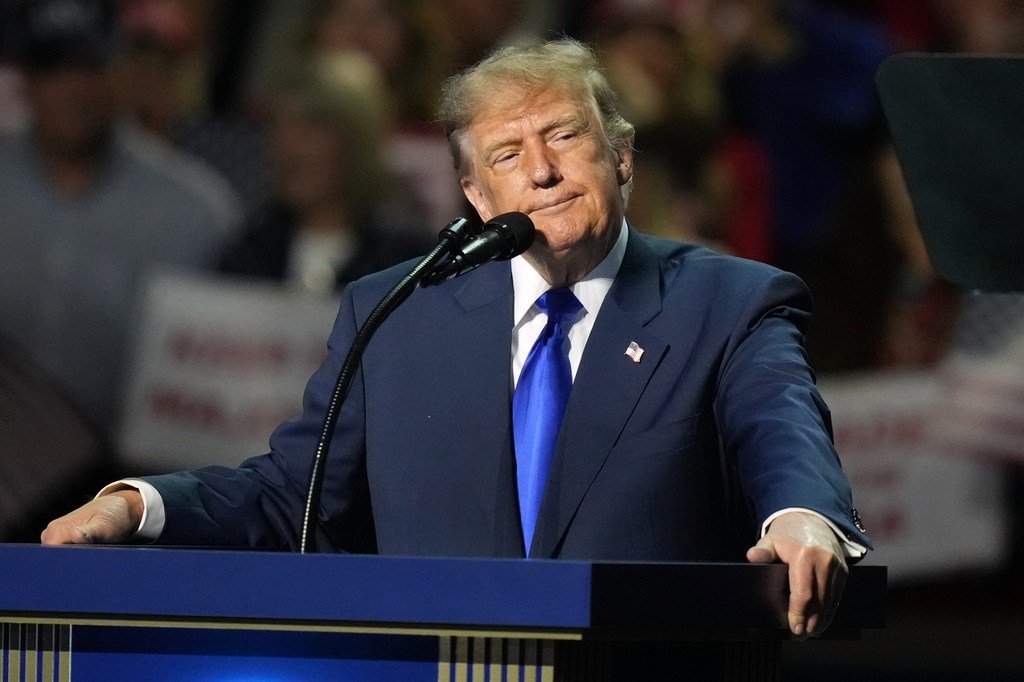
President Trump used his keynote to warn that a Democratic-controlled Congress would become a “communist caucus.” Majority Whip Tom Emmer (R-Minn.) echoed the tone, declaring, “These people are sick.” Sen. Tim Scott (R-S.C.) called Democratic candidates the most “dangerous, radical and frankly, weird” in American history. The strategy is a bet that fear of Democratic extremism can outweigh economic anxiety.
That bet is not without some grounding. CBS News polling finds 56 percent of Americans hold an unfavorable view of the Democratic Party, and 48 percent describe it as “extreme.” Democrats would be wise to take those numbers seriously, especially as the party often seems more absorbed in ideological battles than in addressing the immediate financial pressures facing working- and middle-class families.
Yet the approach risks sounding disconnected from voters whose top concerns are grocery bills, rent, healthcare, and gas prices—not ideological labels. When affordability did surface at the convention, Republicans did themselves few favors. Trump mocked concerns about prices and insisted they are coming down, even though the Consumer Price Index showed a 3.4 percent year-over-year increase in July. He and other speakers blamed former President Joe Biden for inflation, despite Trump being in office for nearly two years, with tariffs and the ongoing Iran war adding to price pressures.
As that conflict continues with no end in sight, pushing up energy costs and inflation, the GOP's failure to articulate a coherent economic plan—or even demonstrate that they understand voters' pain—could prove costly at the ballot box. Republicans are trailing in key Senate races across the country, and their best hope for retaining Congress may rest on low-propensity voters who turn out for Trump but stay home when he is not on the ballot.
Trump implored those voters to treat the midterms as if he were running, a tactic that might shore up support in deep-red areas. But his offer of a $5,000 “dividend” if Republicans win—a proposal economists estimate could cost $1.25 trillion and fuel further inflation—underscores the party's desperation. The irony was not lost: after two nights of branding Democrats as socialists, Trump dangled a government handout more sweeping than anything Democrats have proposed.
Vice President Vance came closest to acknowledging voter discontent, though he still framed it within the convention's attack-heavy theme. “Don't give the country over to a bunch of crazy people because you happen to disagree with us on a policy issue here or there,” he told the crowd on the second night. Coverage of his address suggested he looked like the 2028 presidential nominee in waiting, but a landslide defeat in November would weaken his standing.
The GOP's 2026 playbook mirrors what Democrats did during Trump's rise: emphasize the threat posed by the other party while failing to offer a clear and compelling economic alternative. That approach did not work for Democrats in 2024, and it may not work for Republicans now. For all the energy spent casting Democrats as radical communists, the party left Dallas having answered a question most voters are not asking.
Americans may not embrace every part of the Democratic agenda, but they are more worried about climbing bills, gas prices tied to a war with no end, and a Federal Reserve on the verge of raising borrowing costs to fight the very inflation Trump keeps insisting is receding. Trump asked voters to pretend he is on the ballot in November, but on the top issue that will decide their vote, he already is—and voters are not happy.