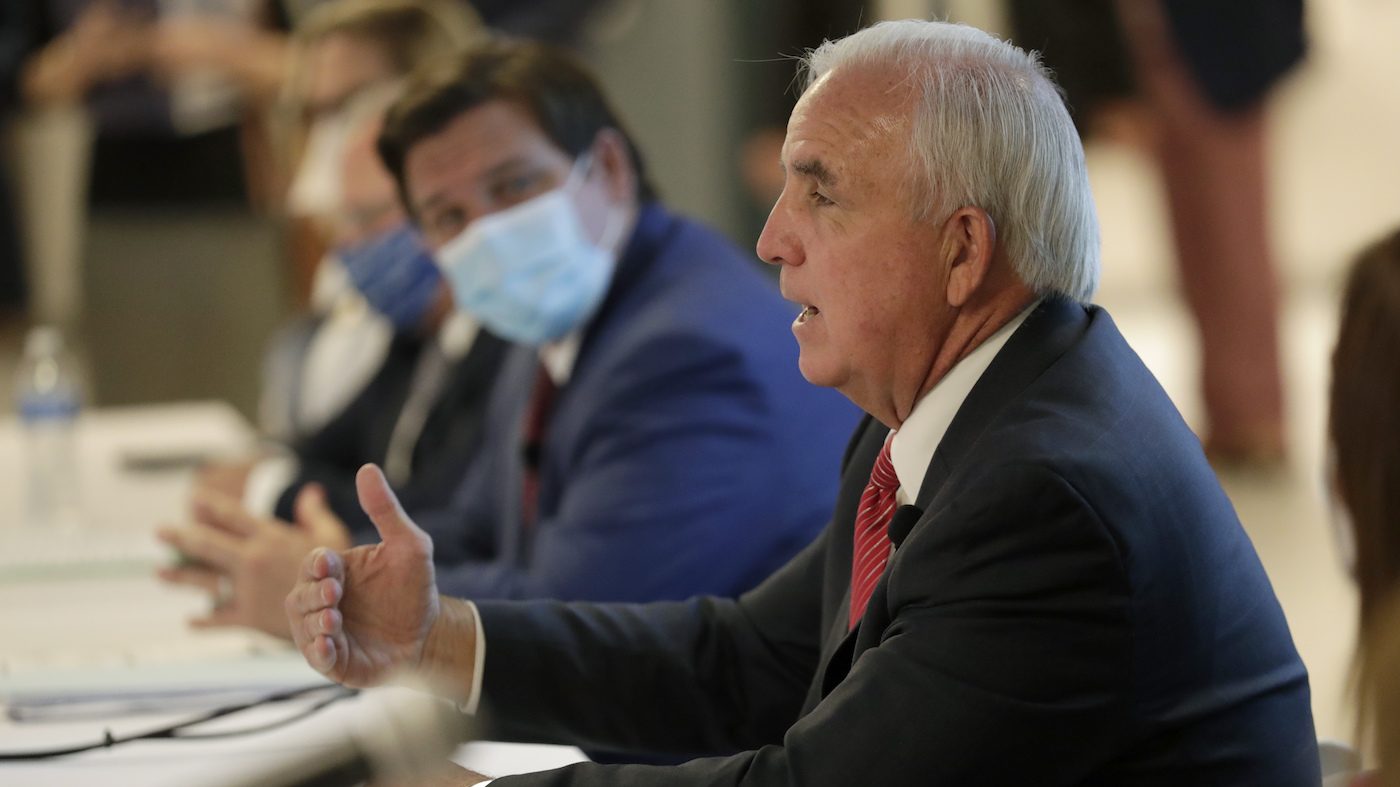
Representative Carlos Giménez of Florida, a Republican, publicly urged President Trump on Sunday to pursue a path to legal status for immigrants who have lived in the United States for years, even as the administration escalates mass deportation operations. The plea came during an appearance on CBS’s Face the Nation, where Giménez framed the issue as a matter of practical governance and community stability.
“I don’t think anybody wants criminals to be here. I don’t think anybody wants gang members to be here. I think that people with active deportation orders, yeah, OK,” Giménez said. “But those that have been here for years, DACA is a great example of that, OK? And those that have been here for years, that have been working, are part of the community, that are part of the economy, we need to find a way to normalize them.”

The Deferred Action for Childhood Arrivals program, established in 2012, shields eligible immigrants who were brought to the U.S. illegally as children from deportation and grants them renewable work permits. Giménez emphasized that normalization does not necessarily equate to citizenship. Instead, he argued for a mechanism that allows these individuals to “come out of the shadows, pay taxes, and live their life without having fear of somebody coming up and taking them away after 20-something years and separating from their children.”
His comments come as the Trump administration intensifies removal efforts nationwide, creating uncertainty for millions of non-citizens, including DACA recipients whose long-term legal status remains precarious. The president’s broader immigration crackdown has drawn criticism from advocates and some lawmakers, who warn of family separations and economic disruptions.
Giménez, a former Miami-Dade County mayor, called for bipartisan cooperation to resolve the status of long-term residents. He acknowledged that past efforts have failed under both Democratic and Republican majorities, urging Congress to stop “kicking this can down the road.” He added, “We’ve got to have the debate. Everything, you know, whatever comes out of it, I’m sure, you know, the Democrats won’t like 100 percent of it, the Republicans won’t like 100 percent of it. And if that’s the case, if that’s the final solution, it’s probably the good solution.”
The push for a legislative fix comes amid broader political tensions. Trump’s aggressive use of executive power—including moves that critics say undermine post-Watergate ethics reforms—has reshaped the immigration debate. Meanwhile, the GOP is refocusing on Trump’s legislative agenda after the 250th anniversary celebrations, as detailed in this analysis of the party’s shifting priorities.
For DACA recipients and other long-term undocumented immigrants, the stakes are high. Many have built families, careers, and deep community ties over decades. Giménez’s comments signal a potential opening for compromise, though deep partisan divides remain. Whether his call for normalization gains traction within the administration—which has prioritized enforcement over legalization—is uncertain.
The Florida Republican’s stance reflects a pragmatic strain within the GOP, particularly among lawmakers from states with large immigrant populations. As the debate unfolds, the fate of millions hangs in the balance, with no clear path forward in sight.