Republican senators have injected a contentious provision into a wildfire prevention bill, attaching an amendment that would dismantle a Clinton-era rule protecting 59 million acres of undeveloped national forest. The move has fractured bipartisan support for the legislation, with Democrats signaling they will not back the measure as currently written.
Sen. Martin Heinrich (D-N.M.), the top Democrat on the Senate Energy and Natural Resources Committee, told reporters Thursday that the amendment “dimmed the prospect of the underlying bill becoming law dramatically.” He argued that the bipartisan effort to address wildfire risks had been hijacked by a partisan fight over land use. “Whether you’re from Oregon or Washington or Montana or New Mexico or Colorado, we’re all struggling with wildfire prevention,” Heinrich said. “This turned that bipartisan effort into a deeply partisan lightning rod.”
The underlying wildfire legislation, which aims to reduce fire danger by increasing tree thinning and other forest management activities on federal lands, had drawn support from both parties. But the amendment from Sen. John Barrasso (R-Wyo.) would nullify the 2001 Roadless Rule, which restricts road construction, logging, mining, and drilling in roughly one-third of the National Forest System. The rule has long been a target for Republicans who argue it hampers economic development and forest management.
The committee approved the amendment along party lines this week, a decision that has heightened tensions between GOP and Democratic members. Barrasso’s spokesperson, Laura Mengelkamp, said the senator “looks forward to working with both sides of the aisle to get this bill and others across the finish line.” But Democrats remain skeptical, given the rule’s broad public support among environmental and recreation groups.
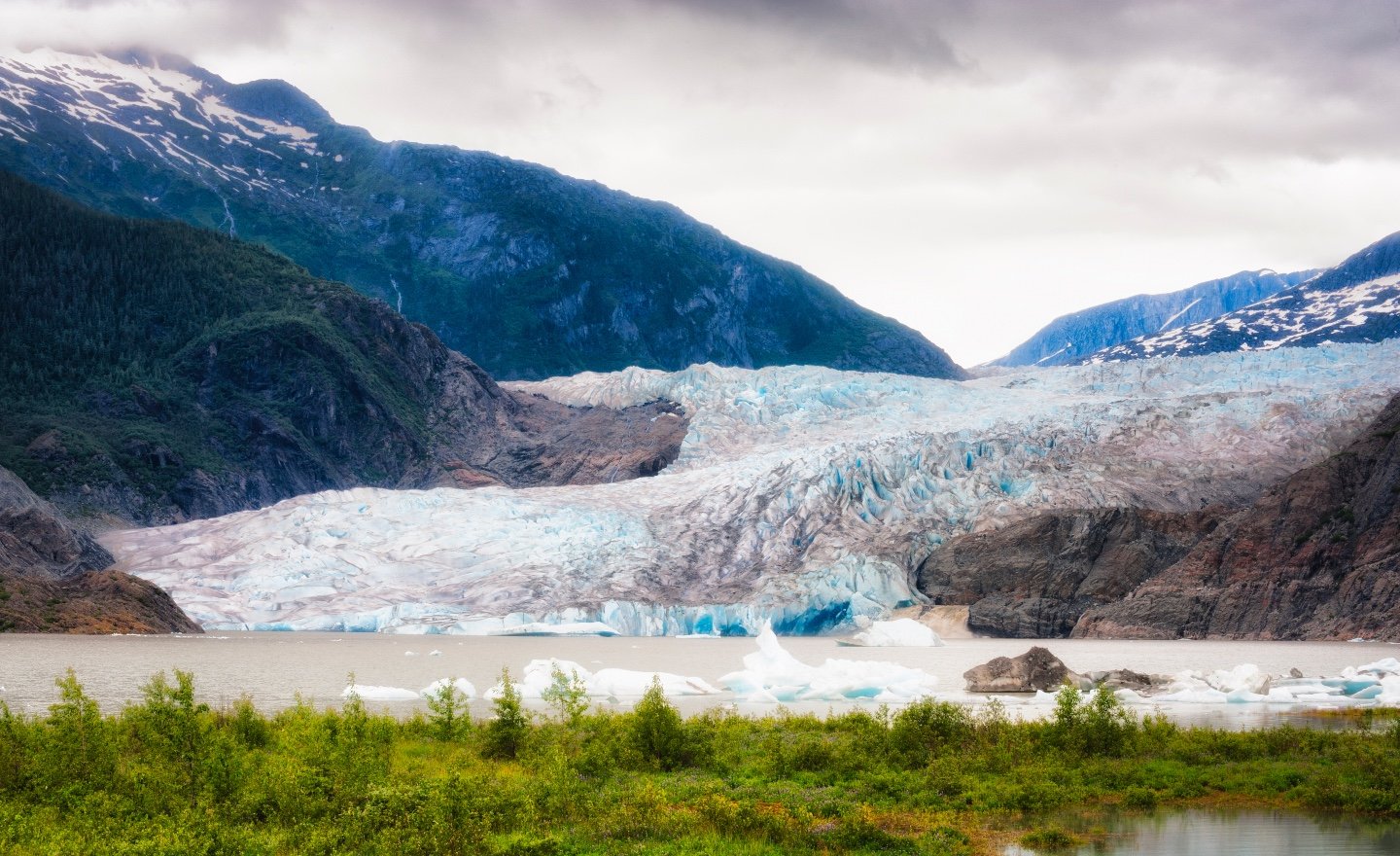
Sen. Lisa Murkowski (R-Alaska) defended the amendment, pointing to the rule’s impact on projects in the Tongass National Forest. “It makes it near impossible to be able to provide for what we would determine to be necessary projects,” she said, citing a hydropower transmission line as an example. “We’re not asking for permission to clear cut an area.”
Opponents, however, argue the rule protects iconic landscapes. Sen. Ron Wyden (D-Ore.) warned that repealing it would devastate treasured recreation areas in his state, including the Cascade Lakes, Iron Mountain, and old-growth forests on Mount Hood. “All of these beloved places would be decimated,” he said.
The fight over the Roadless Rule is not confined to Congress. The Trump administration has separately pursued executive action to overturn the regulation, a move that aligns with broader GOP efforts to roll back environmental protections. The dispute also reflects growing friction on the Senate Energy and Natural Resources Committee, where Chairman Mike Lee (R-Utah) accused Democrats of obstruction. “I can’t justify the historically, abnormally generous treatment that I’ve been providing to the minority,” Lee said, warning that his GOP colleagues might “jump me in the parking lot” if he continued to advance Democratic bills without concessions.
Heinrich fired back, accusing Lee of imposing arbitrary rules that block Democratic priorities like wilderness designations and new park units. “There a desire to see bills be fully offset and paid for on one side of the aisle, but that rule sort of doesn’t get applied to the other side,” he said. Lee’s spokesperson, Jordan Roberts, denied the charge, saying the chairman had moved legislation on a nearly 1:1 basis until Heinrich’s “continued obstruction of noncontroversial, bipartisan legislation” forced a change in approach.
Despite the rancor, both sides are still negotiating a broader “permitting reform” deal aimed at speeding up energy and infrastructure projects. Heinrich described those talks as “going fairly well,” suggesting that some bipartisan cooperation remains possible even as the wildfire bill teeters on the edge of collapse.