Andrew Giuliani, President Trump's point man for the World Cup, asserted Sunday that a Somali referee barred from entering the United States had been communicating with individuals he described as “very bad people.” The claim, made during a CBS News interview, adds a layer of national security intrigue to a case that has drawn international attention.
Giuliani, the son of former New York Mayor Rudy Giuliani, declined to elaborate on who referee Omar Artan was allegedly in contact with, citing “classified information we can’t discuss now.” He hinted that details might emerge later, saying, “At some point, that may be released.” The remarks come after U.S. Customs and Border Protection blocked Artan from entering the country last week, citing unspecified “vetting concerns.”
Artan, who had been issued a valid travel visa earlier this month to officiate World Cup matches, was turned away at the border. According to Giuliani, the contacts occurred “immediately before” Artan attempted to enter the U.S., though he offered no further specifics. The Department of Homeland Security has not commented on Giuliani's statements.
The controversy has sparked debate over U.S. visa policies and security screening, particularly as the administration extends a more accommodating approach to the Iranian national soccer team. Giuliani confirmed that the U.S. is offering Iran’s squad a “goodwill gesture” to enter the country for their match, part of a broader diplomatic thaw following a preliminary ceasefire agreement between Washington and Tehran. Giuliani framed the early entry as a sign of goodwill, even as the Iranian team has been staying in Tijuana, Mexico, after security concerns forced them to scrap plans to train in Arizona.
Giuliani emphasized that the arrangements for the Iranian team “should not affect the integrity of the team,” and that they are welcome to compete. The squad is set to face New Zealand in Inglewood, California, on Monday evening. The contrast in treatment between Artan and the Iranian players has not gone unnoticed, with critics accusing the administration of inconsistency.
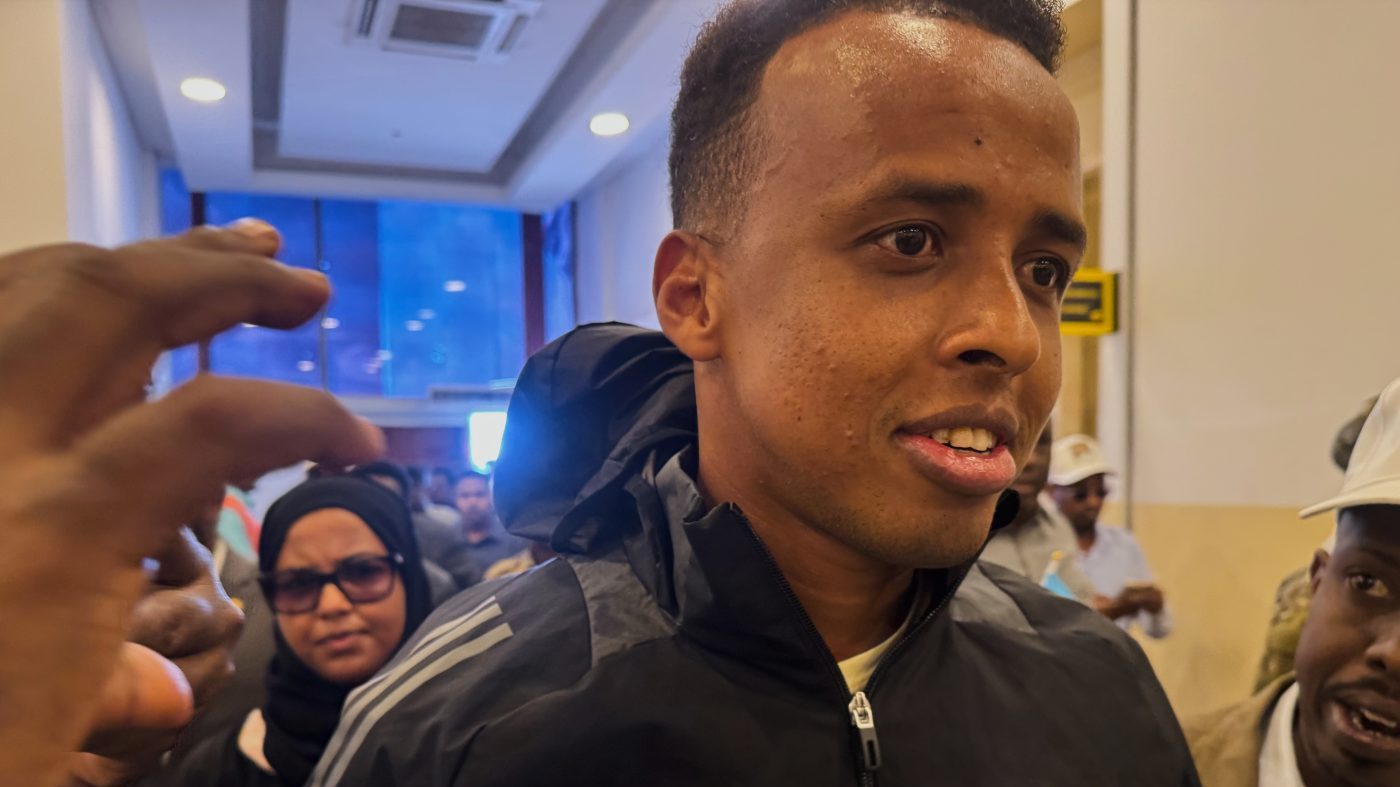
FIFA, soccer's global governing body, has distanced itself from the decision to block Artan, releasing a statement on his behalf that said he remains “in a positive mood and I am focused on the next challenges in my refereeing career.” Back home in Somalia, Artan received a hero’s welcome at Mogadishu’s airport, where supporters cheered his return. He vowed to attend the next World Cup and urged Somalis to “take comfort in this and remain confident.”
The episode underscores the Trump administration's aggressive security posture, even as it seeks to build bridges with Iran through sports diplomacy. Senate Minority Leader Chuck Schumer has demanded a full briefing on the murky terms of the Iran deal, adding to the political pressure. Meanwhile, Giuliani's reliance on classified information without public evidence has fueled skepticism among civil liberties advocates and foreign policy experts.
As the World Cup approaches, the Artan case is likely to remain a flashpoint in debates over U.S. immigration and national security priorities. The administration's handling of the situation, coupled with its outreach to Iran, reveals a delicate balancing act between strict enforcement and diplomatic overtures.