Recent surveys highlight a striking generational split in American attitudes toward China, with younger adults significantly less likely to view Beijing as a critical threat.
According to an August poll by the Chicago Council on Global Affairs, only 34% of Gen Z respondents described China's expanding global role as a “critical threat,” compared with 43% of Millennials. The gap widens sharply among older cohorts, with 56% of Gen X and 62% of Baby Boomers expressing similar concerns.
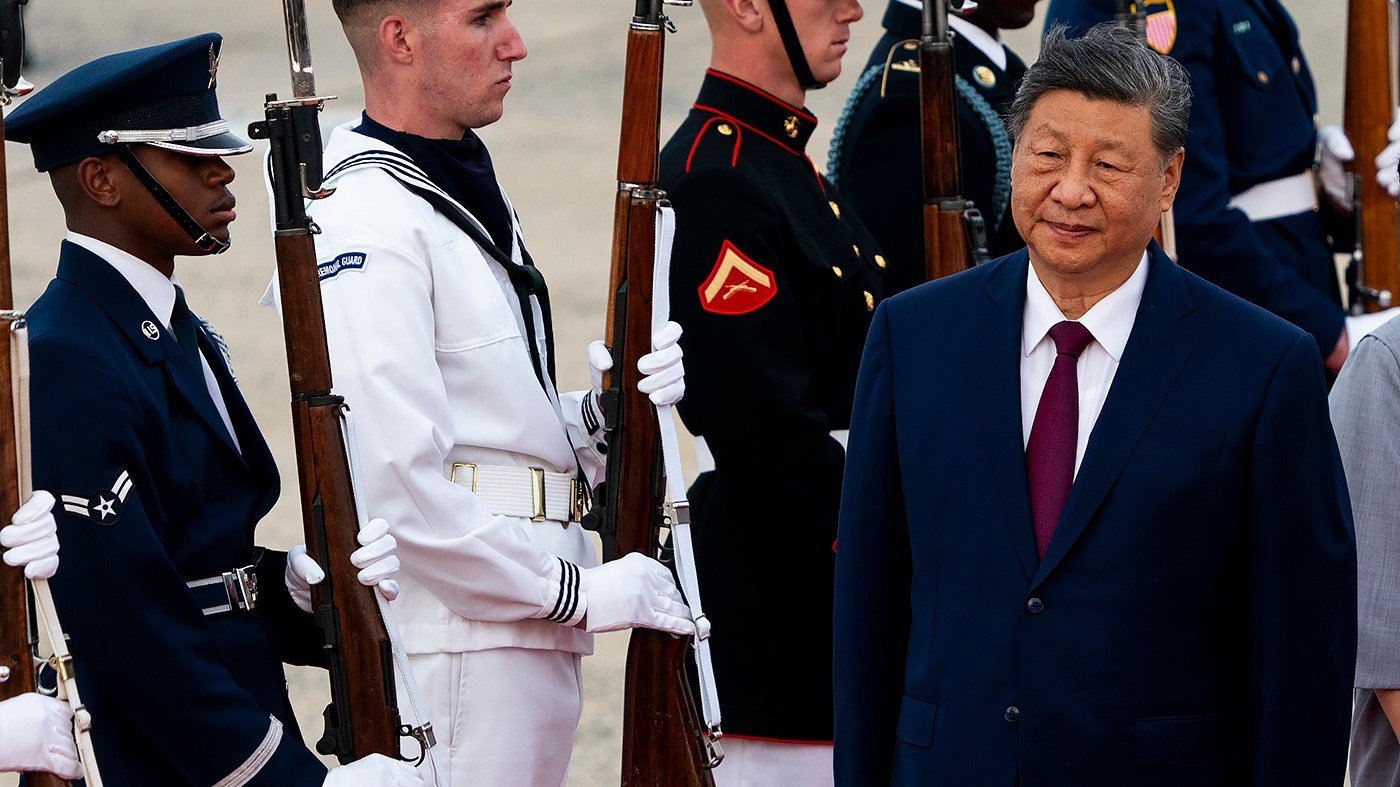
Craig Kafura, the council's director of public opinion and foreign policy, attributes these differences to the distinct historical contexts each generation experienced. “For baby boomers, for Gen Xers, these are folks who remember the Cold War. They remember China as this major Communist rival,” he told The Hill. In contrast, he noted, for Gen Z, “China is a booming economy. Maybe your first introduction to China was the 2008 Olympics in Beijing.” That creates “a very different mental image of China than somebody who grew up the same time as Mao,” he added.
New data from Pew Research Center, released Wednesday, shows Americans across all ages are warming slightly to China. On a 0-to-100 scale (very cold to very warm), the average rating now stands at 37, up from 28 in 2021, shortly after the pandemic began. The survey also found younger generations hold more positive views of Beijing.
Laura Silver, an associate director at Pew who led the research, echoed Kafura's explanation. “Older people knew China as kind of Red China, China under Mao, Tiananmen. Younger people have never had that context,” she told The Hill. Instead, Gen Z knows China as a “superpower that rivals the United States.” She added that these differences in formative knowledge “do play a role and speak to the fact that we've seen age differences in our polling for two decades.”
This generational divide extends beyond threat perception to press freedom. A separate Pew report found that 57% of adults aged 18-29 say it is more important for the press to be free to report the news, even if some reporting is inaccurate, compared with 43% of those 30-49 and 42% of those 50 and older. Gen Z is also least likely to support government authority to suppress stories deemed a national security risk, false, or critical of the government—only 52%, 45%, and 8% respectively, versus 66%, 53%, and 11% among Baby Boomers.
Kirsten Eddy, a senior researcher at Pew, suggested that when older generations are “forced to reckon with these circumstances, they tend to defer to the notion that there should be some intervention in place.” The findings come amid President Trump's recent revocation of White House press credentials for outlets like CNN and Politico, which he accused of making “false statements about the war.”
Interestingly, Gen Z views Trump's relationship with the media more favorably than older Americans do: 15% of Gen Z rated it as somewhat or very good, versus 11% of Millennials, 10% of Gen X, and 9% of Boomers. This may reflect a shift in news consumption. According to a Navigator study, 52% of Gen Z passively encounters news, compared with 43% of Millennials, 40% of Gen X, and 31% of Boomers. Tina Tang, director of polling and analytics at Navigator, noted that passive consumers “engage in a different way. Just because they're passive, especially for Gen Z, it doesn't mean they don't care about politics.”
In the workforce, Gen Z's job-hopping tendencies are particularly pronounced in healthcare. A September 2026 Harris Poll found that 70% of Gen Z healthcare workers are actively seeking new roles within the industry, even as the Health Resources and Services Administration projects a shortage of 500,000 healthcare workers by 2038. Adele Webb, a nurse with 42 years of experience and workforce advisor at Workforce Edge, which co-commissioned the poll, sees the trend as a warning sign for the sector.