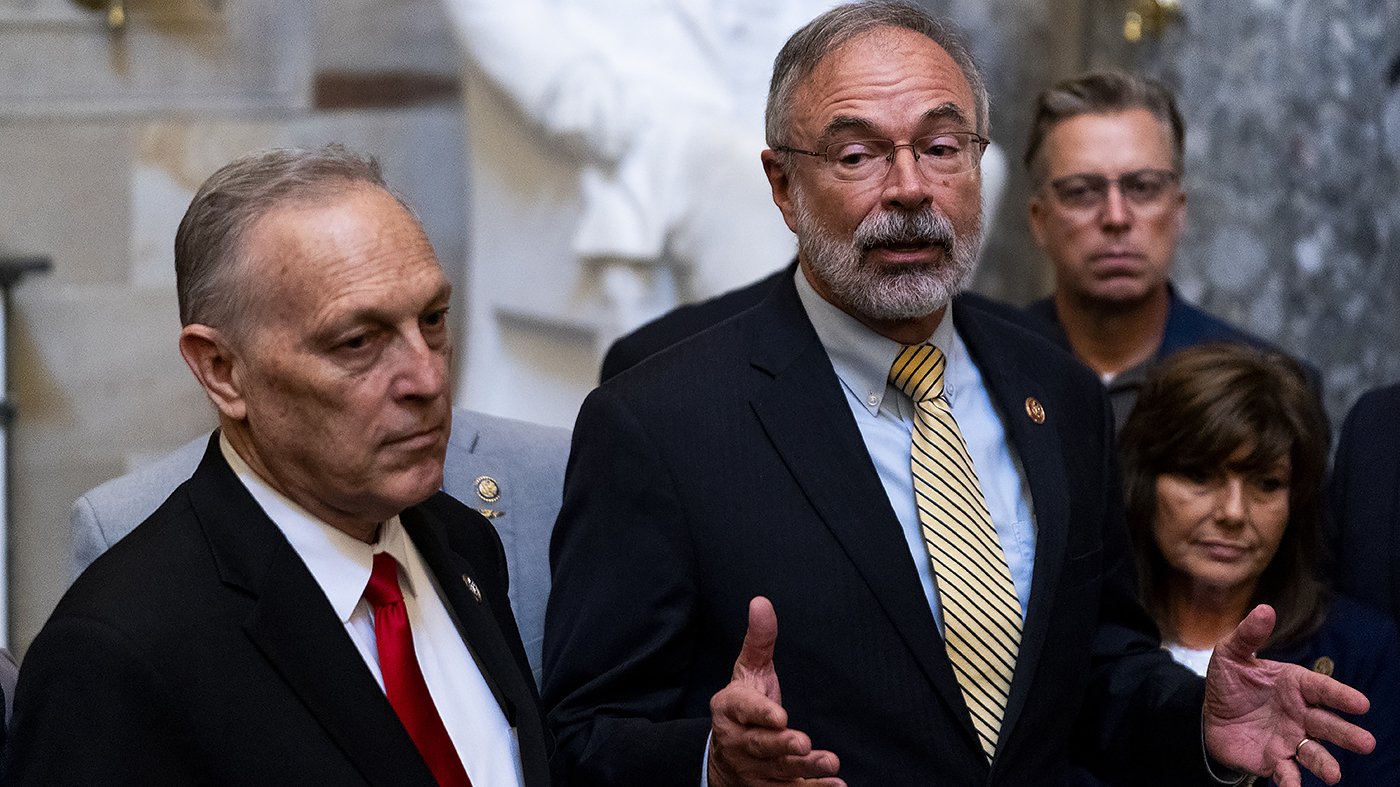
The House Freedom Caucus has thrown a major obstacle in the path of Department of Homeland Security funding, publicly rejecting a bipartisan strategy endorsed by Speaker Mike Johnson and former President Donald Trump. The hardline conservative faction is demanding that Republicans instead use the budget reconciliation process to fund the entire department through a GOP-only bill, a move that would bypass Democratic support entirely.
Rejecting the Two-Step Plan
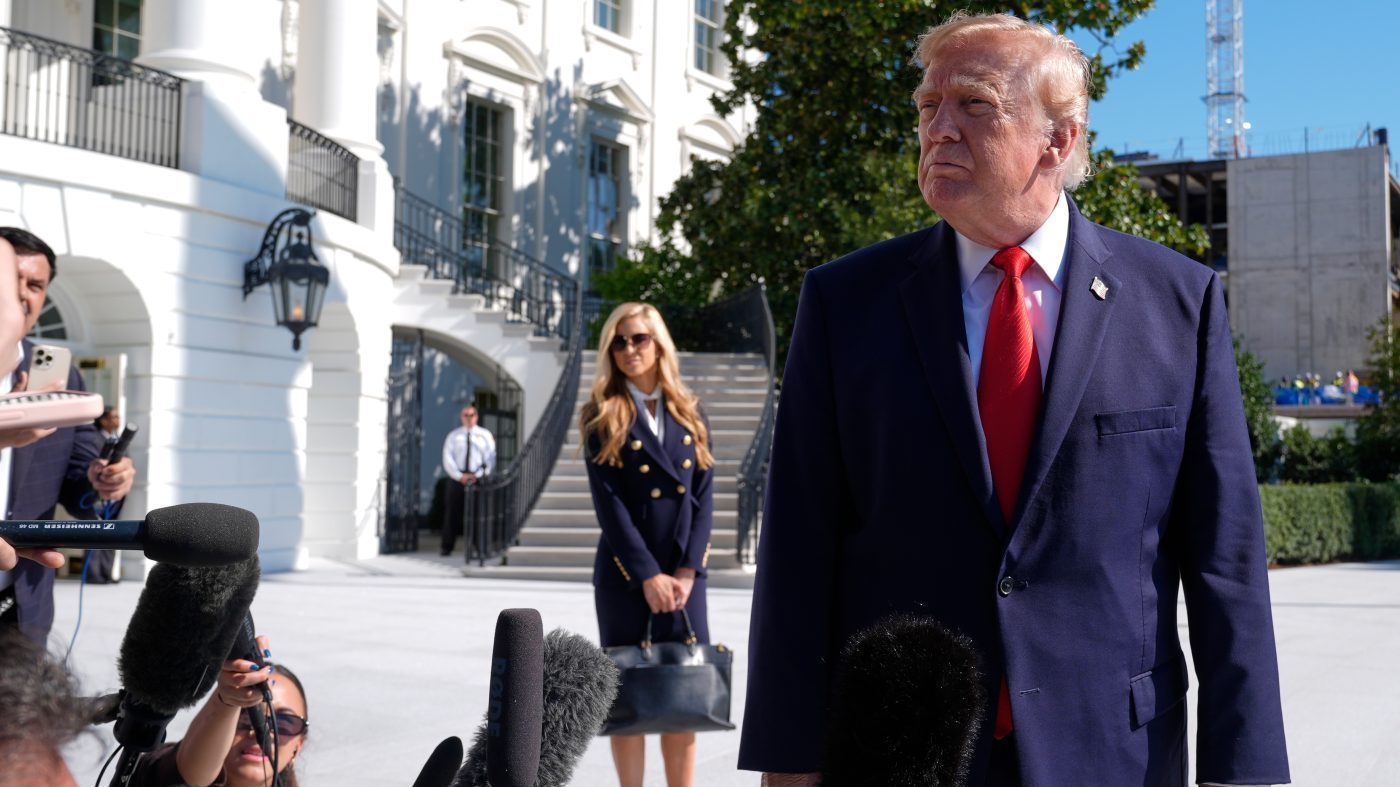
The rejected plan, which had gained support from Johnson, Senate Majority Leader John Thune, and Trump, proposed a two-part approach. It would have funded most DHS agencies—including the Coast Guard, Transportation Security Administration, and Federal Emergency Management Agency—through conventional bipartisan legislation. The more contentious immigration enforcement components, specifically funding for Immigration and Customs Enforcement and Customs and Border Protection, would then be addressed through reconciliation, a procedural tool that prevents Senate filibusters.
This division was necessitated by Democratic refusal to vote for immigration enforcement funding without accompanying policy reforms. However, the Freedom Caucus has declared this approach unacceptable. "We cannot leave ICE and CBP hanging with nothing but hopes and prayers that reconciliation 2.0 comes together," the group stated on social media. "That's why we must use reconciliation to fully fund ALL of the Department of Homeland Security!"
Speaker Johnson's Dilemma
The rebellion creates a significant challenge for Speaker Johnson, who must now navigate between the demands of his party's right flank and the practical realities of governing with a narrow majority. Johnson had initially dismissed similar funding strategies as a "joke" before ultimately aligning with Trump and Thune. The current impasse threatens to delay the reopening of much of DHS, even as the agency continues operations under a presidential order maintaining pay for employees during the ongoing shutdown.
During a private conference call last week, House Republicans beyond just the Freedom Caucus expressed frustration with the leadership's plan, demanding that immigration and border security be addressed through reconciliation before agreeing to fund other DHS components. This internal dissent highlights how traditional party loyalty dynamics are being tested by competing factions within the GOP.
Procedural Arguments and Political Stakes
The Freedom Caucus argues that their preferred approach offers more control. "We can tightly control this process with strict instructions to the various committees involved, so no one can sneak in unrelated garbage and distract us from our mission," their statement asserted. They advocate funding DHS for the remainder of the presidential term to prevent Democrats from "taking our nation's security hostage" in future negotiations.
Many House Republicans oppose separating border funding due to Democratic demands, viewing it as a dangerous precedent that weakens their negotiating position. "We will never hand Democrats their ultimate prize: A defunded ICE, handcuffed CBP, and criminal aliens terrorizing our communities," the Freedom Caucus declared, framing the issue in stark security terms. This stance reflects broader administration priorities on security and enforcement that extend beyond domestic borders.
Timeline Pressures and Leadership Challenges
The conflict comes amid pressing deadlines. Trump has stated he wants immigration enforcement funding passed by June 1, while Thune has indicated he would prefer to keep the reconciliation bill narrow to meet that timeline. The Freedom Caucus's demand for comprehensive DHS funding through reconciliation complicates this schedule and exposes deeper rifts within Republican ranks.
Johnson's task of unifying his conference has grown more difficult, demonstrating how internal policy disputes can paralyze legislative progress. The situation mirrors other administration challenges where achieving complex policy objectives requires navigating competing political pressures. The outcome of this funding battle will signal whether Republican leadership can maintain discipline or whether factional demands will dictate legislative strategy on key security matters.